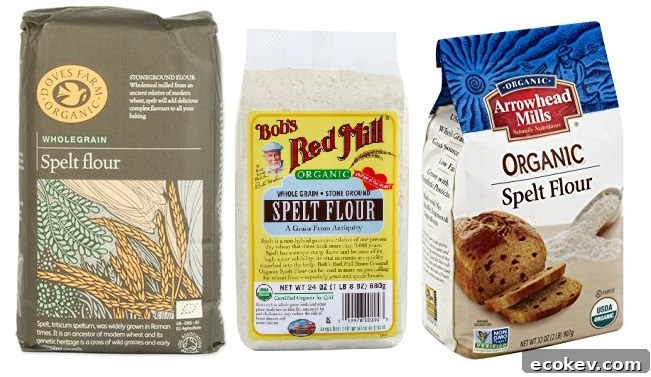
Spelt flour is a widely used whole-grain, non-wheat flour found in breads, pastas, and many wheat-free recipes. But what exactly is spelt flour, and why has it become so popular?
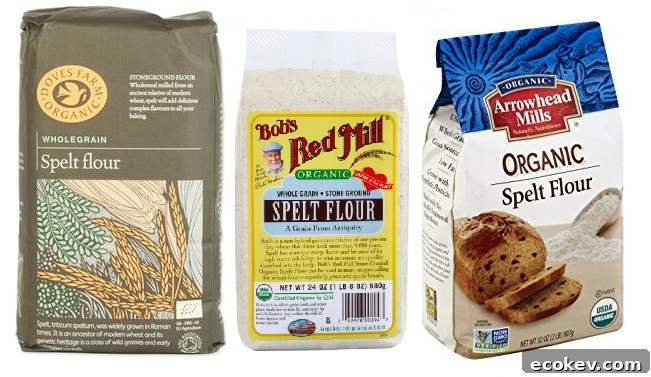
Spelt is a cereal grain closely related to wheat—belonging to the same genus but a different species. Cultivated for centuries across central Europe and the Middle East, spelt resembles wheat in appearance but is encased in a harder outer hull prior to milling. It offers a nutty, mildly sweet flavor similar to whole-wheat flour, making it an appealing option for people who want a richer taste in baked goods.
Why Spelt Flour Is Popular
There are several reasons spelt flour has grown in popularity. First, it delivers excellent flavor and is easy to work with in many recipes. Although spelt contains gluten, its characteristics differ from modern wheat: it can often be swapped into recipes that call for all-purpose flour without drastically changing texture. That makes it a convenient way to introduce whole-grain flavor and nutrition without the trial-and-error that often accompanies gluten-free baking.
Spelt also has a supportive nutritional profile. It typically contains fewer calories than equivalent amounts of refined wheat flour and is somewhat higher in protein. Many people find spelt easier to digest than conventional wheat, though it is generally lower in fiber than whole-wheat flour. These attributes appeal to bakers and cooks who want a nutritious flour that still performs well in everyday recipes.
How to Use Spelt Flour
In most recipes, spelt can be used as a 1:1 substitute for wheat flour, but its gluten behaves differently. Spelt’s gluten is more fragile than that of modern wheat: it develops quickly but can break down if overworked. For breads and other yeast-leavened goods, avoid excessive kneading and rough handling to prevent a crumbly or dense result.
For best results when trying spelt for the first time, replace only part of the regular flour in a recipe—about 25%—and adjust upward as you become familiar with the flavor and texture changes. Start with simpler recipes where texture is forgiving, such as sandwich bread, muffins, pancakes, or cookies. These let you enjoy spelt’s nutty taste without risking a failed loaf. When using spelt in yeast breads, keep an eye on hydration and handling: spelt may absorb liquid differently and needs gentler kneading compared with modern wheat.
Overall, spelt flour is a versatile, flavorful option for home bakers who want to introduce a whole-grain alternative to everyday recipes. By substituting gradually and handling the dough gently, you can achieve excellent results and discover new flavors and textures in familiar baked goods.