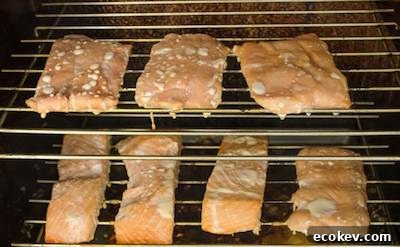
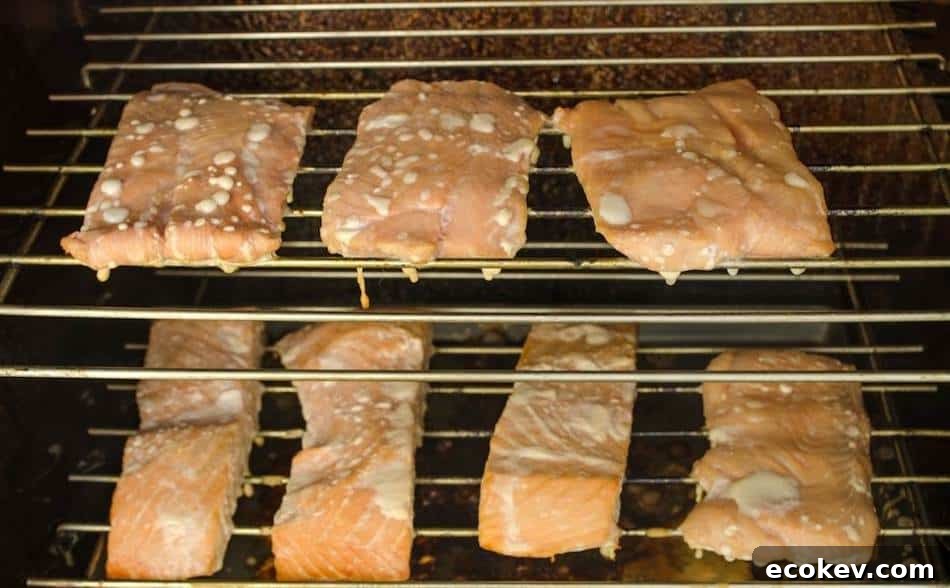
Smoking fish requires a delicate touch. Unlike beef or pork, fish have tender flesh and a subtle flavor that can easily be overwhelmed by heavy smoking woods. Choosing the right wood is essential: the ideal wood adds a gentle, complementary smoke that enhances the seafood without masking it. Some woods work particularly well across a range of fish, giving a light, pleasant aroma that penetrates the flesh without dominating it.
Alder is widely regarded as the best wood for smoking fish because it produces a mild, balanced smoke that preserves the fish’s natural taste. Fruit woods such as apple and cherry are also excellent choices and are commonly available. Citrus woods — lemon, lime, or orange — are less common but pair beautifully with salmon, trout and other fish. For a slightly stronger note, pecan is a popular option. Avoid heavy hardwoods like hickory, mesquite or strong oak on delicate fish, or use them sparingly blended with milder woods and for short exposure times.
The 5 Best Woods For Smoking Fish
| 1 | Alder | Delicate and slightly sweet, alder is perfect for most fish. It imparts a light aroma that preserves the fish’s natural flavor. Ideal for salmon, trout, snapper and grouper. Available as chips or chunks. |
| 2. | Citrus | Orange, lemon or lime wood give a bright, citrusy sweetness that complements fish well. These woods are light enough not to overpower thinner fillets; source locally if store-bought citrus wood is unavailable. |
| 3. | Apple | Apple wood offers a mild, fruity smoke that suits salmon and many white fish. It pairs nicely with cherry and is commonly found as chunks, chips or pellets. |
| 4. | Cherry | Cherry adds a subtle sweet smoke and can deepen the color of the fish. It works well alone or blended with apple for a balanced, attractive finish. |
| 5. | Pecan | Pecan gives a richer, nutty smoke. It’s stronger than fruit woods but still moderate compared with hickory or mesquite, making it suitable for firmer fish like mackerel or amberjack. |
1. Alder
Alder is often the top recommendation for smoking fish. Its soft, woodsy character delivers a subtle smoke that complements salmon fillets and other delicate fish without overwhelming them. Across smoking forums and guides, alder consistently ranks high for seafood. If you want a touch more smoke, try blending alder with a small amount of apple or cherry.
2. Citrus Wood
Citrus woods — orange, lemon or lime — provide a light, slightly tangy sweetness that pairs exceptionally well with fish. Because their flavor is gentle, they won’t overpower thin-fleshed species. Freshly cut citrus wood must be well seasoned and free of chemicals; if you can source wood from a fruit tree, ensure it’s properly dried before use.
Fruit Wood
Fruit woods are generally excellent for smoking fish because they offer soft, sweet smoke. Apple and cherry are the most common and versatile, but pear, peach, plum or other fruit woods are also suitable. As with citrus, avoid wood that has been recently treated or sprayed.
3. Apple
Apple wood is beloved by smoking enthusiasts for its pleasant, mild smoke. It pairs nicely with salmon and many other species, providing flavor without overwhelming the fish’s natural profile.
4. Cherry
Cherry wood brings a gentle sweetness and a touch of color to smoked fish. Its mild smoke allows the fish’s natural taste to shine through while adding an attractive visual tint.
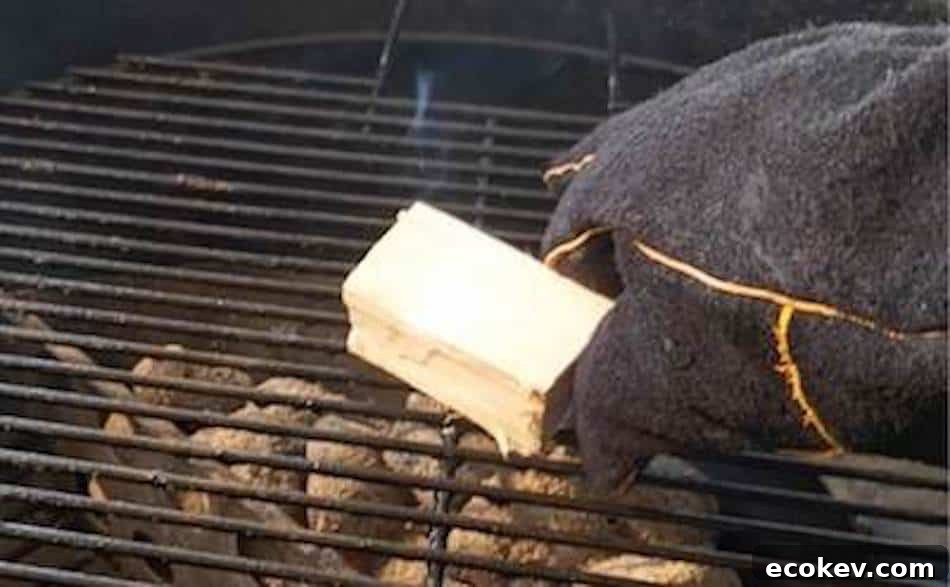
5. Pecan
Pecan is a versatile smoking wood related to hickory but milder. It lends a nutty, moderate smoke that works well with firmer fish or when you want a more pronounced flavor without the harshness of stronger hardwoods.
Oak
Oak is not usually the first choice for delicate fish, but it can be useful as a blending wood because it burns steadily and tolerates higher temperatures. Use oak sparingly with apple or cherry to add depth without overwhelming the fish.
Maple
Maple offers a sweet, subtle smoke that complements salmon and other fish without masking their flavor. It’s an excellent option when you want a hint of sweetness alongside a milder smoke profile.
Woods To Avoid When Smoking Fish
Some woods are too strong for delicate fish and should generally be avoided or used very carefully. Mesquite, hickory and robust varieties of oak can overpower fish flavors and are better suited to beef or game.
Hickory
Hickory imparts a strong, bacon-like smoke that works well with beef and pork but can dominate salmon. If you choose to use hickory, mix a small amount with a milder fruit wood and limit exposure time.
Cedar
Cedar planking is popular for its distinctive aroma, but cedar smoke can be intense and unpredictable in an enclosed smoker. Use cedar planks with care and avoid burning raw cedar directly in confined setups.
Mesquite
Mesquite is powerful and intense, favored for hot-and-fast cooks with beef. Its bold flavor is likely to overwhelm most fish species and is best avoided for delicate fillets.
Smoked Salmon Recipe
Smoked Salmon on a Kettle Grill
Slow smoked salmon with charcoal and wood
20 minutes
5 hours
10 minutes
5 hours 30 minutes
Ingredients
- Salmon
- 1 cup of salt
- 1/4 cup of sugar
- 1 gallon of water
Instructions
-
The Brine
Dissolve the salt and sugar in water and transfer the brine to a container or a large zip-top bag. Submerge the salmon and brine for about 2 hours—do not exceed this time. Remove the fish, pat it dry, and place it on a rack to air-dry no longer than 2 hours to form a light pellicle.
-
Smoking The Salmon
Prepare your kettle grill with 100 charcoal briquettes. Light 5–6 briquettes in a chimney starter until fully lit, then place them to one side of the unlit coals to create indirect heat. Allow the kettle to stabilize for about 20 minutes and set vents to roughly 1/4 open top and bottom. Target a smoker temperature around 250–275°F (120–135°C). Add a few chunks of your chosen smoking wood just before placing the salmon on the grill. Monitor temperature and maintain steady, gentle smoke for several hours until the salmon reaches your preferred doneness.
Nutrition Information:
Amount Per Serving:
Calories: 117
Smoking Fish
Smoking is one of the most rewarding ways to prepare fish, but success depends on matching the wood to the fish. Rather than treating each species separately, group fish by flesh color—orange, gray or white—to guide wood choice. Salmon and trout are orange-fleshed, tuna or mackerel are often gray-fleshed, and halibut or catfish are white-fleshed. White and orange fish are more easily overwhelmed by heavy smoke, while gray fish tolerate stronger smoke for longer.
If you’re unsure how much smoke to apply, begin with a moderate wood like oak or a fruit wood. Under-smoking is preferable to over-smoking: subtle smoke can be enhanced later, but an overly smoky flavor is difficult to remove.
How To Smoke Salmon Like A Pro
To smoke salmon expertly, rely on a gentle wood like alder, apple or cherry, brine and dry the fish properly, maintain steady low heat, and monitor internal temperature carefully. These steps produce moist, flavorful smoked salmon with a refined smoke profile.
My Favorite Meat Smoking Tools
Here are some recommended tools that make smoking easier and more consistent: a reliable dual-probe meat thermometer to monitor smoker and meat temperatures simultaneously; a fast instant-read thermometer for spot checks; quality butcher paper for wrapping when applicable; and, for advanced cooks, a multi-channel Bluetooth/Wi‑Fi thermometer and automatic temperature controller to manage long cooks. These tools help deliver repeatable results and better control over the smoking process.