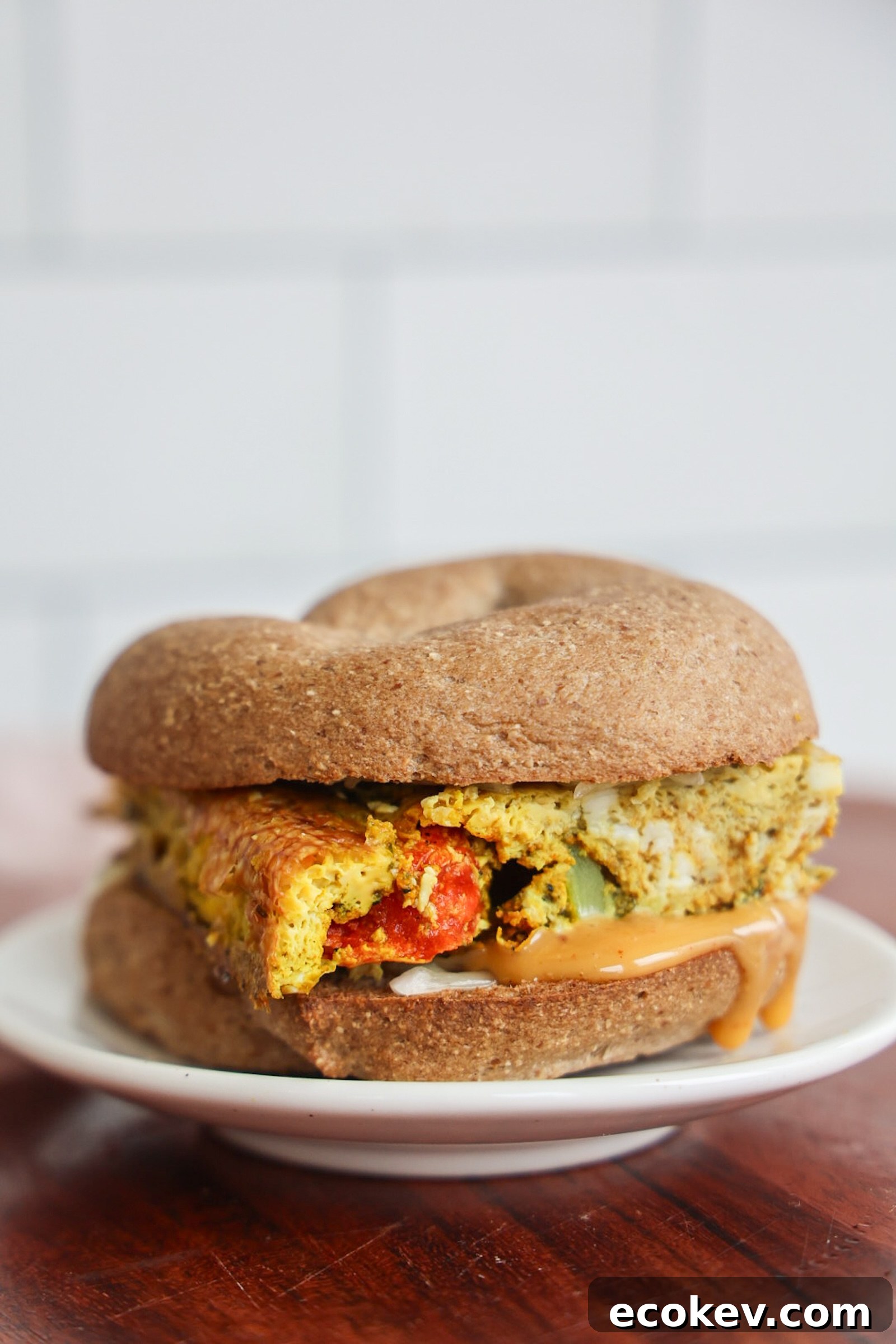
You’ll never skip breakfast again once you try these meal prep sheet pan eggs! This easy, nutritious, and versatile breakfast can be prepped ahead and customized to suit your tastes. Sheet pan baked eggs are ideal for busy mornings—slice them frittata-style, stack them into breakfast sandwiches, or enjoy as a protein-packed snack. They’re an effortless way to add more protein and vegetables to your routine and keep you satisfied all morning.
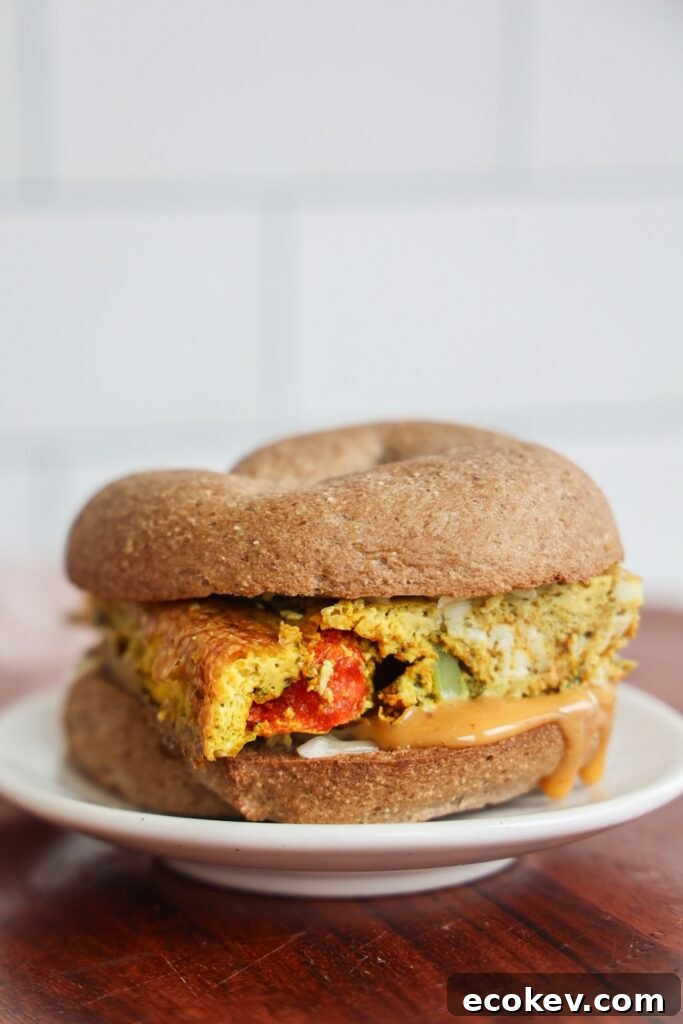
Meal prep doesn’t have to be stressful—these baked sheet pan eggs make breakfast simple and reliable. Prepare a batch on the weekend and you’ll have grab-and-go meals or snacks ready for the week. Use them on bagels or English muffins for sandwiches, serve them with avocado toast, or enjoy them with roasted potatoes. They reheat well, keep you full, and are easy to vary so you won’t get bored.
Why make meal prep Sheet Pan Baked Eggs?
Sheet pan baked eggs are popular because they’re efficient and flexible. Benefits include:
- Time-saver: Bake a large batch at once instead of cooking individual eggs.
- Customizable: Add your favorite veggies, herbs, spices, proteins, and cheeses to keep flavors interesting.
- Meal prep friendly: Store portions in the fridge for up to a week—perfect for sandwiches or quick breakfasts.
- Nutritious: Eggs are nutrient-dense, high in protein and healthy fats, and deliver key vitamins and minerals.
Are eggs a healthy breakfast option?
Eggs are a nutrient-rich choice that deliver high-quality protein, healthy fats, and vitamins like B12 and D, plus minerals such as selenium and choline. With roughly 12–13 grams of protein per 100 grams, eggs support muscle maintenance and can help curb appetite, making them useful for weight management. Their versatility also makes them easy to incorporate into a balanced morning meal.
Can you meal prep eggs and how?
Absolutely. Eggs are excellent for meal prep, and the best method depends on how you plan to eat them:
- Hard-boiled eggs are the simplest grab-and-go option and last up to a week in the fridge.
- Omelettes, scrambled egg bowls, frittatas, egg muffins, quiches, and casseroles all reheat well and work for weekly prep.
- Avoid very runny yolks if you’ll be storing or freezing your eggs—firm yolks keep better for reheating.
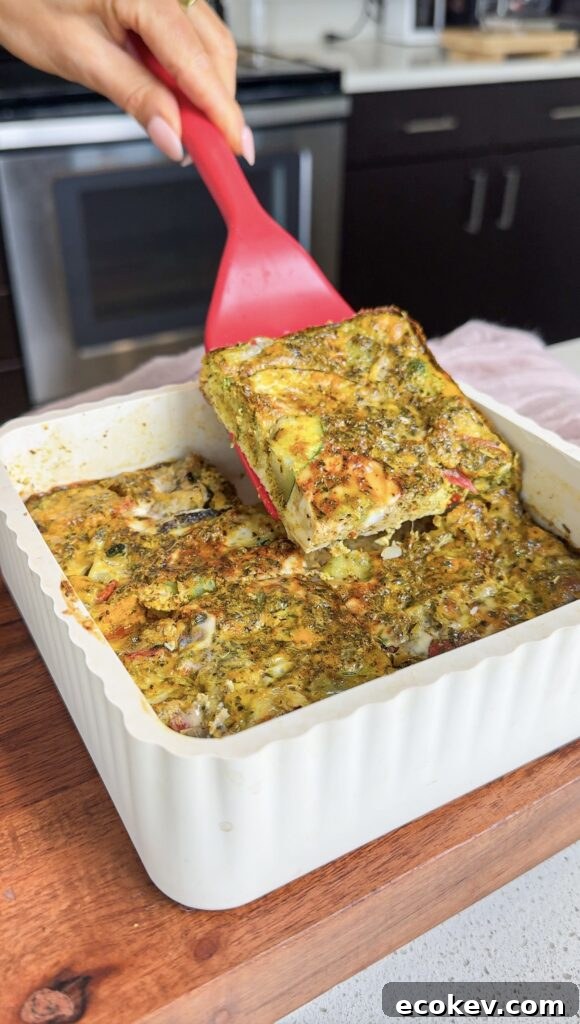
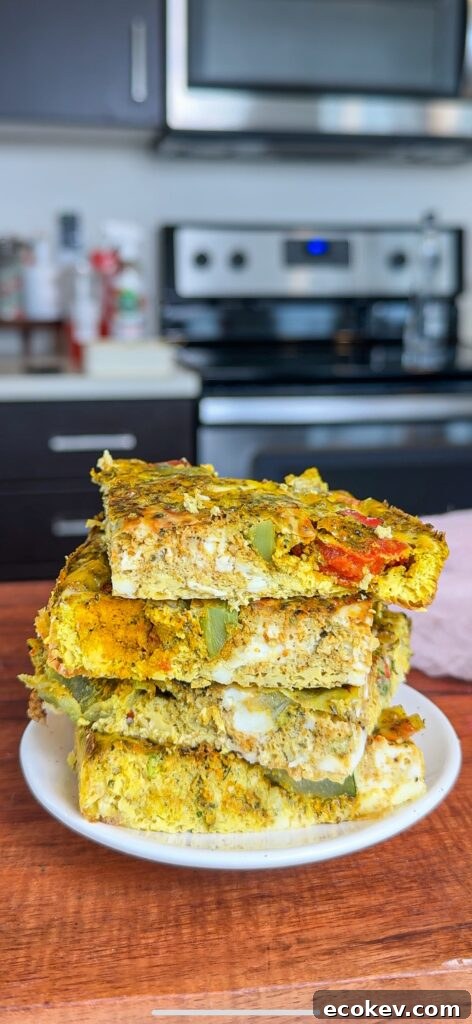
Sheet pan eggs cook like a large frittata and are easy to slice into squares for sandwiches, bagels, or standalone portions.
How to make sheet pan eggs
The full recipe follows in the recipe card below. Here’s a concise overview of the process and what you need.
Tools needed
- Rimmed jelly roll pan or deep sheet pan—higher edges help prevent spills. Stainless steel or a heavy-duty pan is a good choice.
- Airtight storage containers for meal prep.
Ingredients You’ll Need
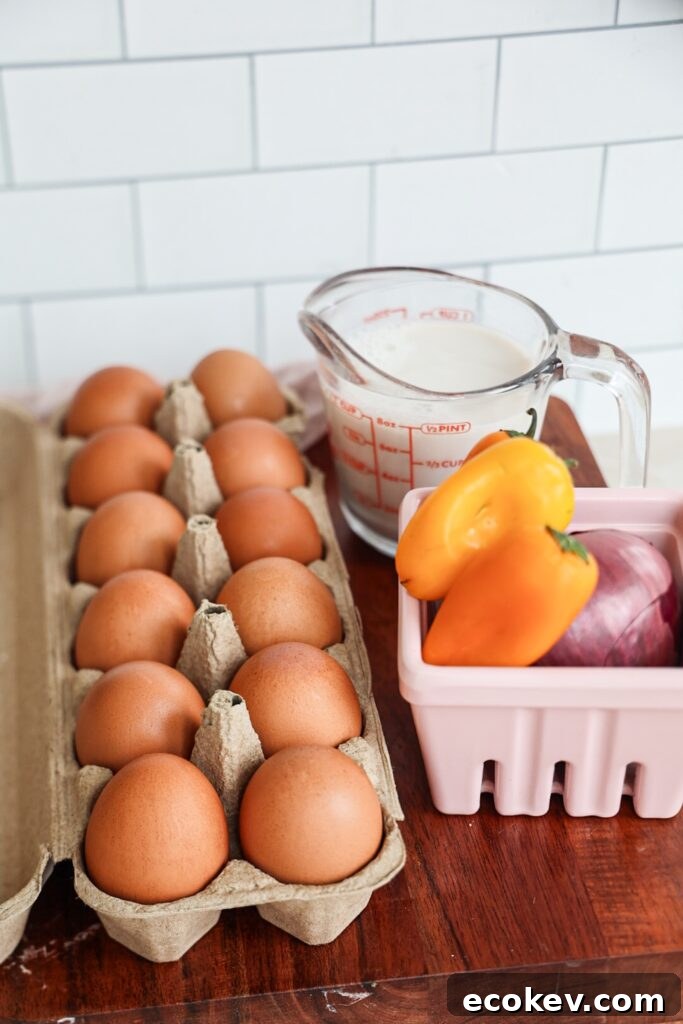
Basic ingredients for sheet pan baked eggs:
- Eggs
- Milk of choice (dairy or non-dairy)
- Diced vegetables: bell peppers, spinach, onions, tomatoes, mushrooms, etc.
- Cheese (optional; dairy or non-dairy)
- Seasonings: salt and pepper, plus optional spices like red pepper or turmeric
- Optional cooked proteins: breakfast sausage, turkey bacon, or chicken sausage
- Fresh herbs for garnish, such as parsley or chives
Steps to make sheet pan eggs
1. Preheat and prepare
Preheat the oven to 350°F (175°C). Grease a rimmed baking sheet or pan well. In a large bowl, whisk eggs with milk, salt, and pepper until combined. Stir in diced vegetables, cheese, and any cooked proteins.
2. Pour and bake
Pour the mixture evenly into the prepared pan and bake for 20–30 minutes, until set and lightly golden. A knife inserted in the center should come out clean when done.
3. Cool and slice
Remove from the oven and allow to cool for a few minutes. Cut into squares, rectangles, or use a round cutter to make patties for sandwiches.
4. Store for meal prep
Cool completely, then transfer to airtight containers. Store in the refrigerator for up to a week for easy breakfasts and snacks.
Serving Suggestions
These baked eggs are versatile. Try:
- Warm with avocado or fresh fruit.
- Served with steak for a classic steak-and-eggs meal.
- Paired with roasted potatoes, hash browns, or sourdough toast.
- Layered into bagels or breakfast sandwiches.
- Topped with salsa or hot sauce for extra flavor.
- Alongside a green smoothie for an extra nutrient boost.
FAQs
- Reheating: Microwave is quickest—about 30 seconds from the fridge, 60–90 seconds from frozen at 50% power. You can also reheat in an oven or toaster oven.
- Storage time: Storage depends on preparation:
- Hard-boiled eggs: up to 7 days in the fridge.
- Scrambled, omelettes, and similar: 3–4 days refrigerated.
- Quiches, casseroles, and larger egg dishes: 3–4 days refrigerated or up to 3 months frozen.
Recipe Card

Sheet Pan Baked Eggs
Ingredients
- 18 eggs
- 1/2 cup unsweetened non-dairy milk or dairy milk
- 1 1/2 tsp sea salt (adjust to taste)
- 3/4 tsp pepper (adjust to taste)
- 2 tbsp nutritional yeast (optional for a cheesy flavor)
- Other seasonings as desired: red pepper, 1/2 tsp turmeric, etc.
- 1 1/2 cups diced, raw or cooked vegetables of choice
Optional additions
- 1/2 cup cottage cheese
- 1 cup shredded cheese (dairy or non-dairy)
- Fresh herbs like basil
- Grape tomatoes, halved
Instructions
- Preheat oven to 350°F. Spray a rimmed 18x13x1-inch baking sheet well with non-stick spray. For a smaller batch, use a 9×9 pan.
- In a large bowl, combine eggs, milk, salt, pepper, and any seasonings. Whisk thoroughly, then stir in veggies and optional cheeses or proteins.
- Pour the mixture into the prepared pan and spread evenly.
- Bake 25–30 minutes, until the center is set and a knife comes out clean.
- Remove from oven, let cool, then cut into squares or use cutters for sandwich-sized rounds.
Notes
You can use raw veggies like tomatoes, green onion, and spinach. Sauté heartier vegetables first—mushrooms, bell pepper, zucchini, broccoli, asparagus, and red onion benefit from a quick sauté. Frozen fire-roasted veggies work well, too.