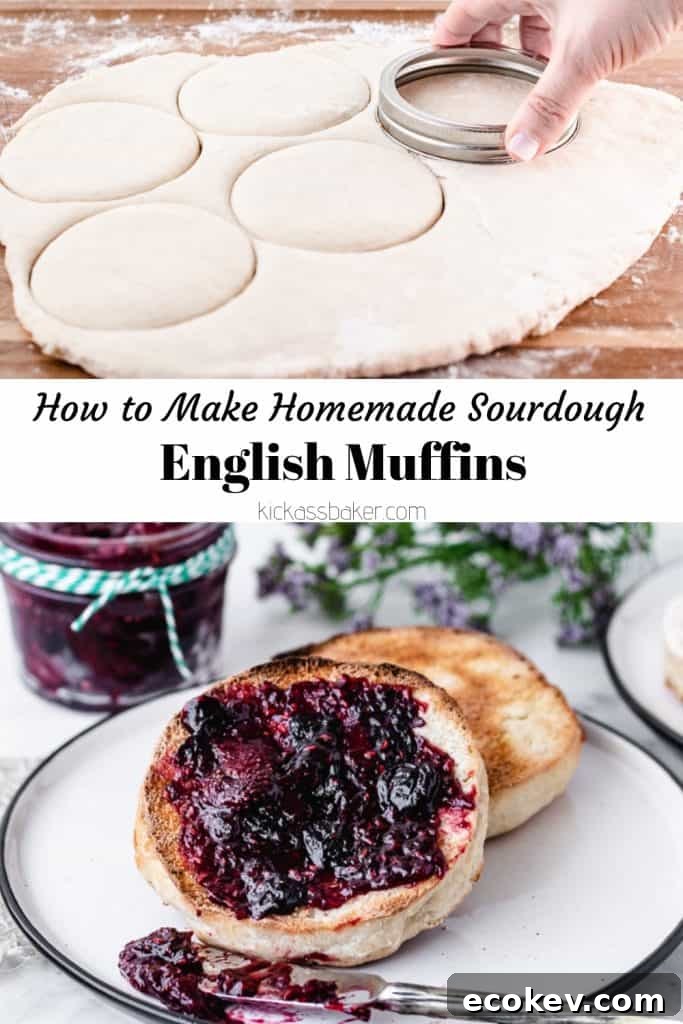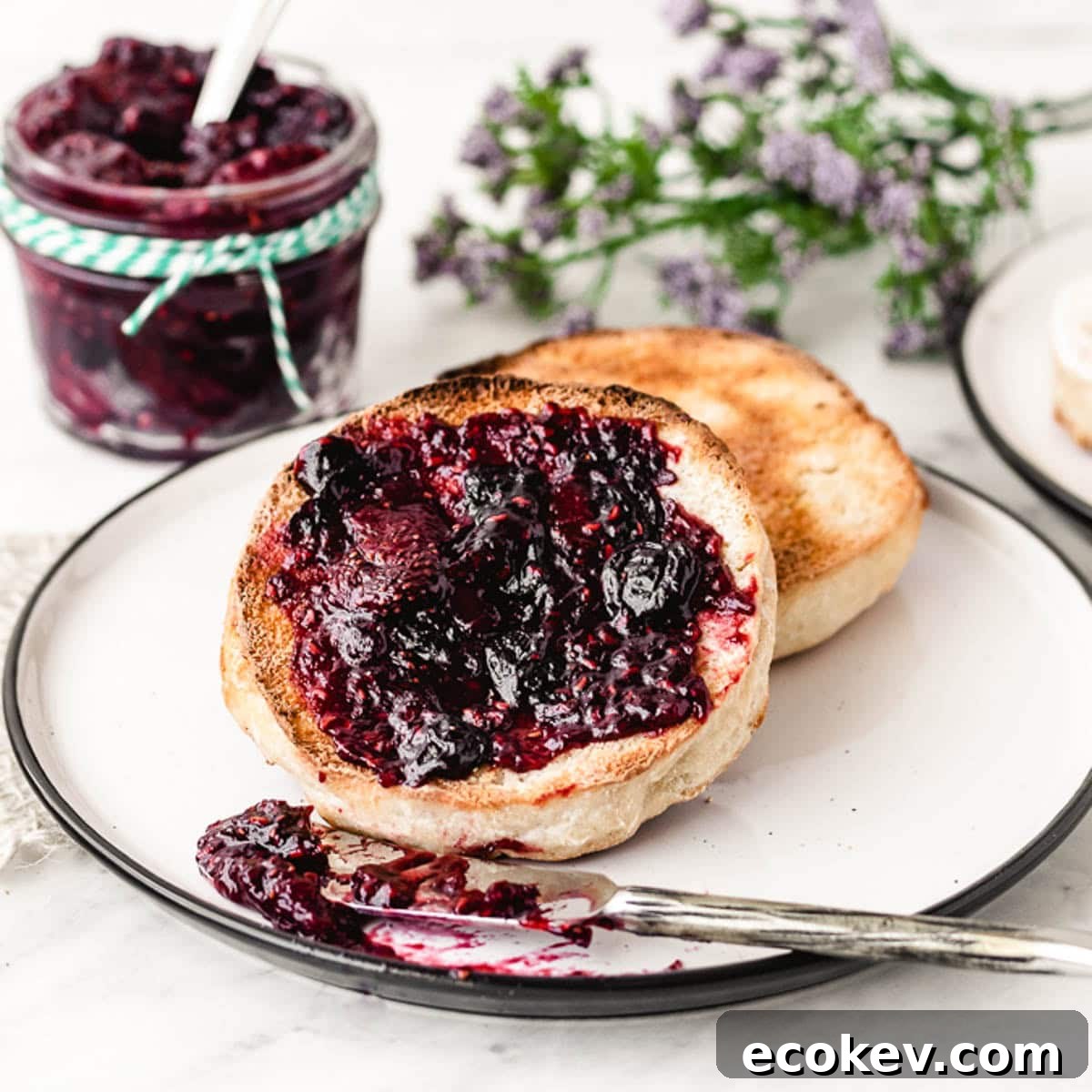
Homemade bread is a real joy, and Homemade Sourdough English Muffins are a special treat. These muffins boast the nooks and crannies we love in English muffins, and they’re easier to make from scratch than you might think. Like many yeast-based recipes, they require patience, but the results are worth the effort.
Disclosure: As an Amazon Associate, I earn from qualifying purchases.
It All Begins with Sourdough
Baking with sourdough starter transforms ordinary bread into something flavorful and uniquely satisfying. I was initially intimidated by the idea of keeping a starter, but once I began, I found the process enjoyable and not nearly as time-consuming as I feared. Maintaining a starter opens up many uses beyond loaf bread, which makes it a valuable kitchen habit.
These English muffins are a great way to use sourdough starter or discard, helping reduce waste and yielding a product fresher and less processed than store-bought muffins. This recipe produces about a dozen and a half muffins, so you’ll have plenty on hand for breakfasts and sandwiches.
How to Make Your Own English Muffins
Start by combining all dough ingredients to form a smooth, elastic dough. One optional ingredient is citric acid (sour salt), which enhances the tangy flavor; you can find it in many grocery stores near canning supplies. The dough can be proofed for a few hours at room temperature or refrigerated overnight for a deeper flavor.
I recommend an overnight chill in the refrigerator when you have time—the longer, cooler fermentation develops more pronounced sourdough characteristics.
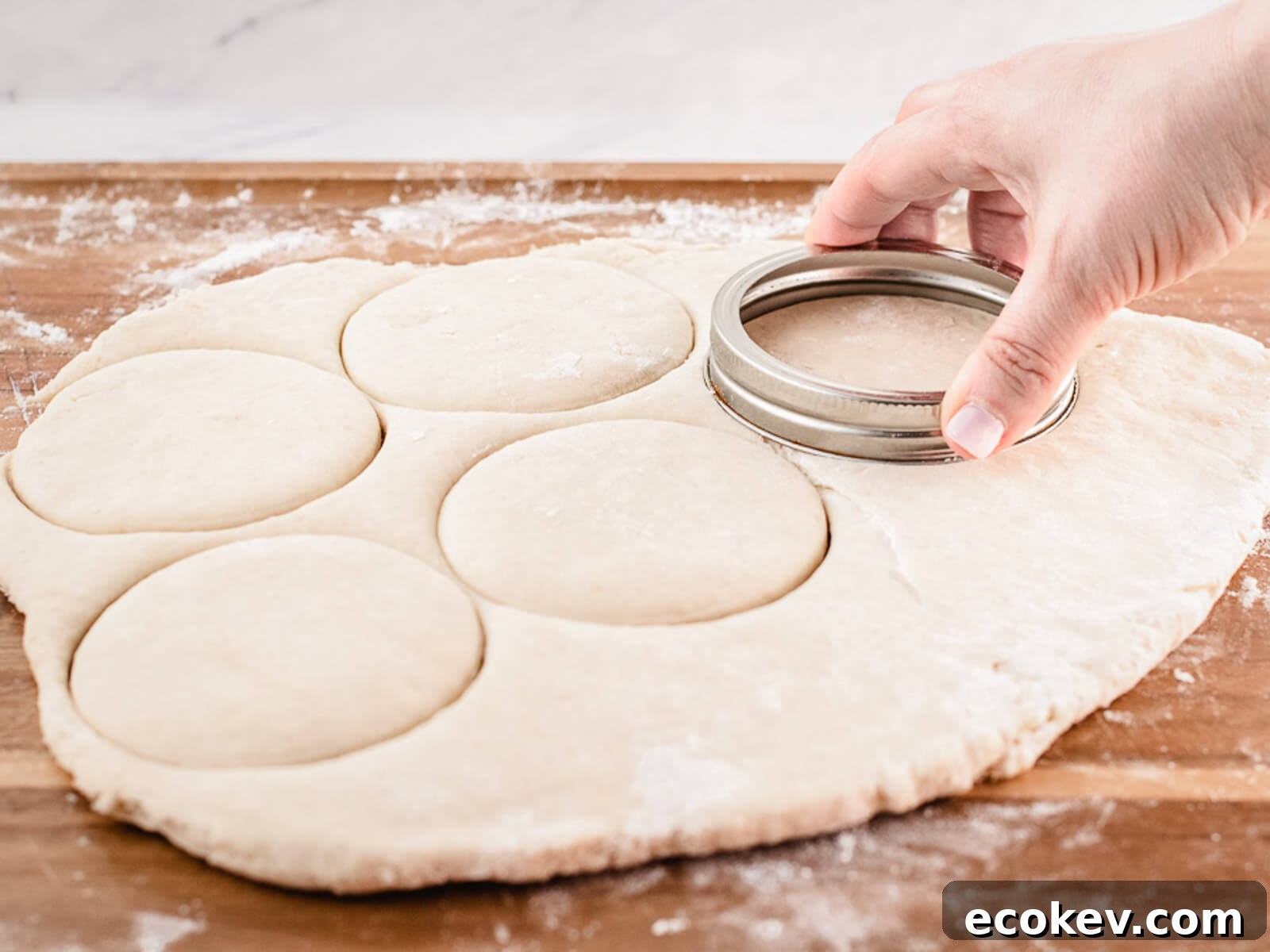
Use What You Have to Cut the Rounds
After the dough has proofed, let it rest briefly, then roll it to about 1/2 inch thick and cut rounds. A biscuit cutter works well, but a wide-mouthed mason jar ring, an upside-down glass, or a small bowl will do the job. Re-roll scraps to make as many muffins as possible; consistent thickness matters more than width for cooking time.
Be sure to make the rounds evenly sized so they cook uniformly. Re-rolling and cutting the scraps maximizes yield without changing the baking timing.
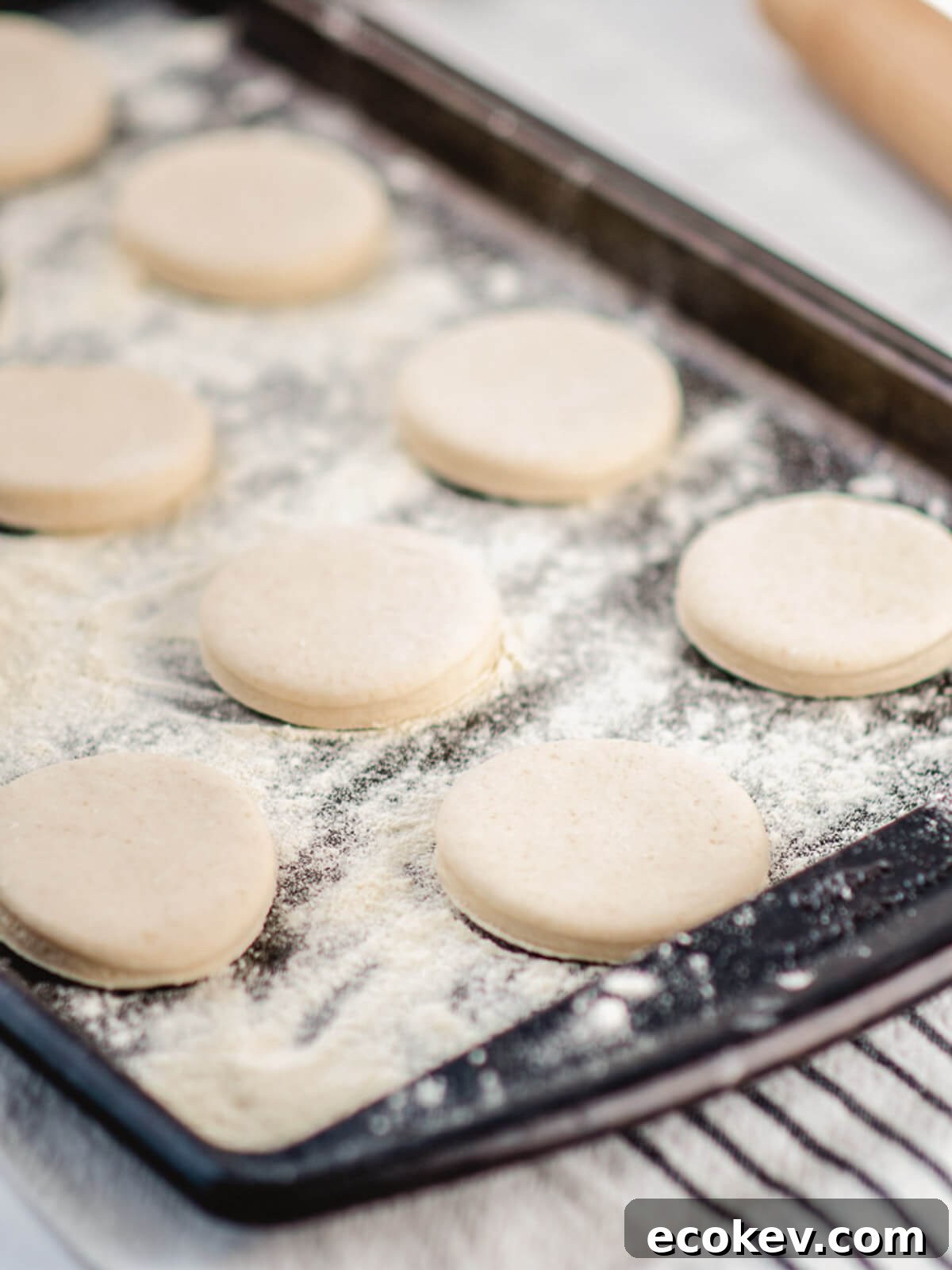
A Bit More Rest Time
Transfer the rounds to baking sheets dusted with semolina or cornmeal to prevent sticking. I prefer cornmeal because semolina or flour can cling and burn on the underside. Arrange 6–12 muffins per sheet with space between them, cover, and allow a second rise until the muffins look slightly puffed. If chilled overnight, this proof can take about 2 hours; otherwise expect around 45–60 minutes.
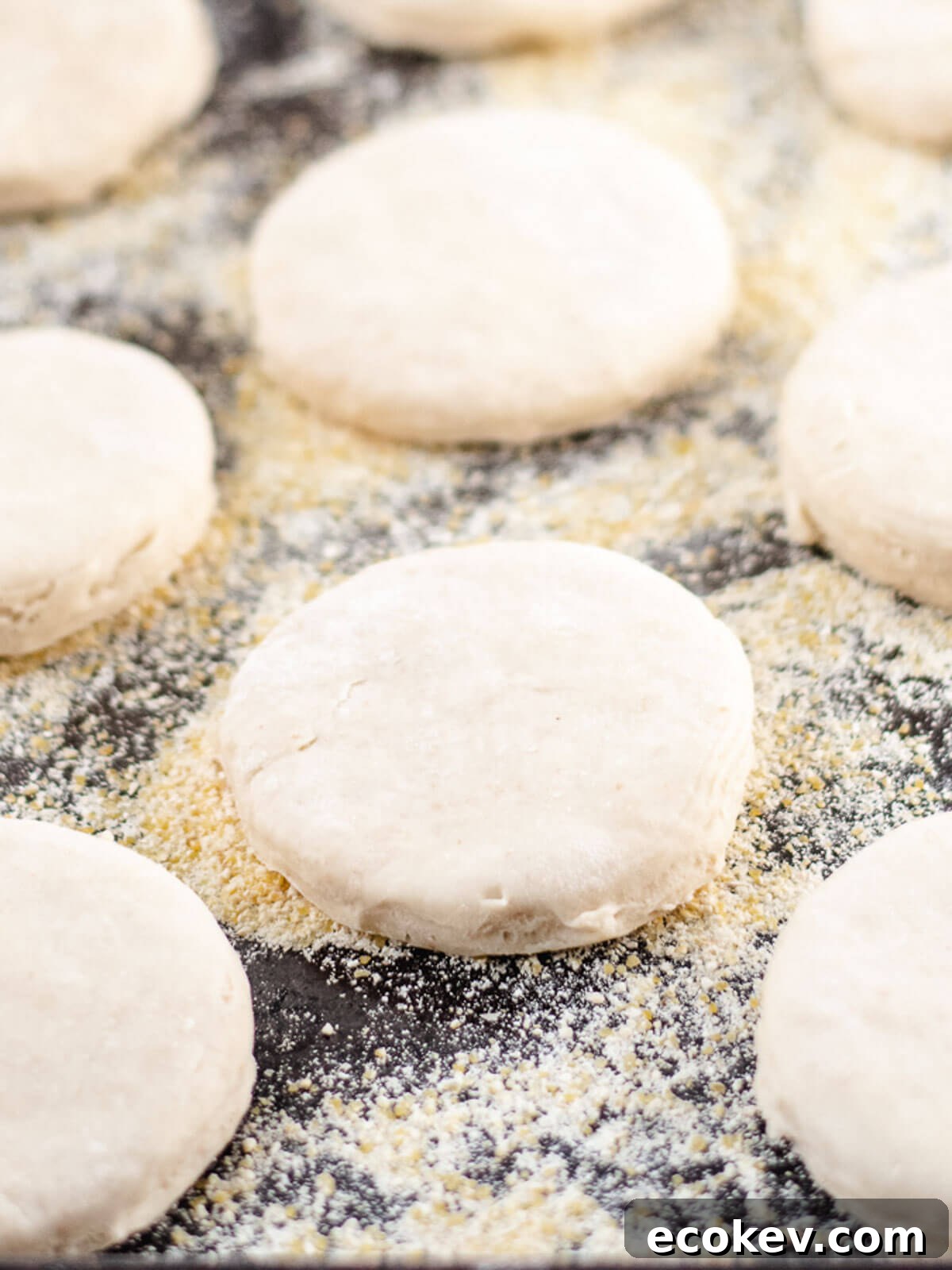
Let’s Get Cooking!
An electric griddle is ideal for cooking many muffins at once, but a heavy frying pan works too—just expect to cook in smaller batches. Preheat your griddle to about 350°F or set a frying pan over medium-low heat.
How to Attain Flat Tops and Bottoms on English Muffins
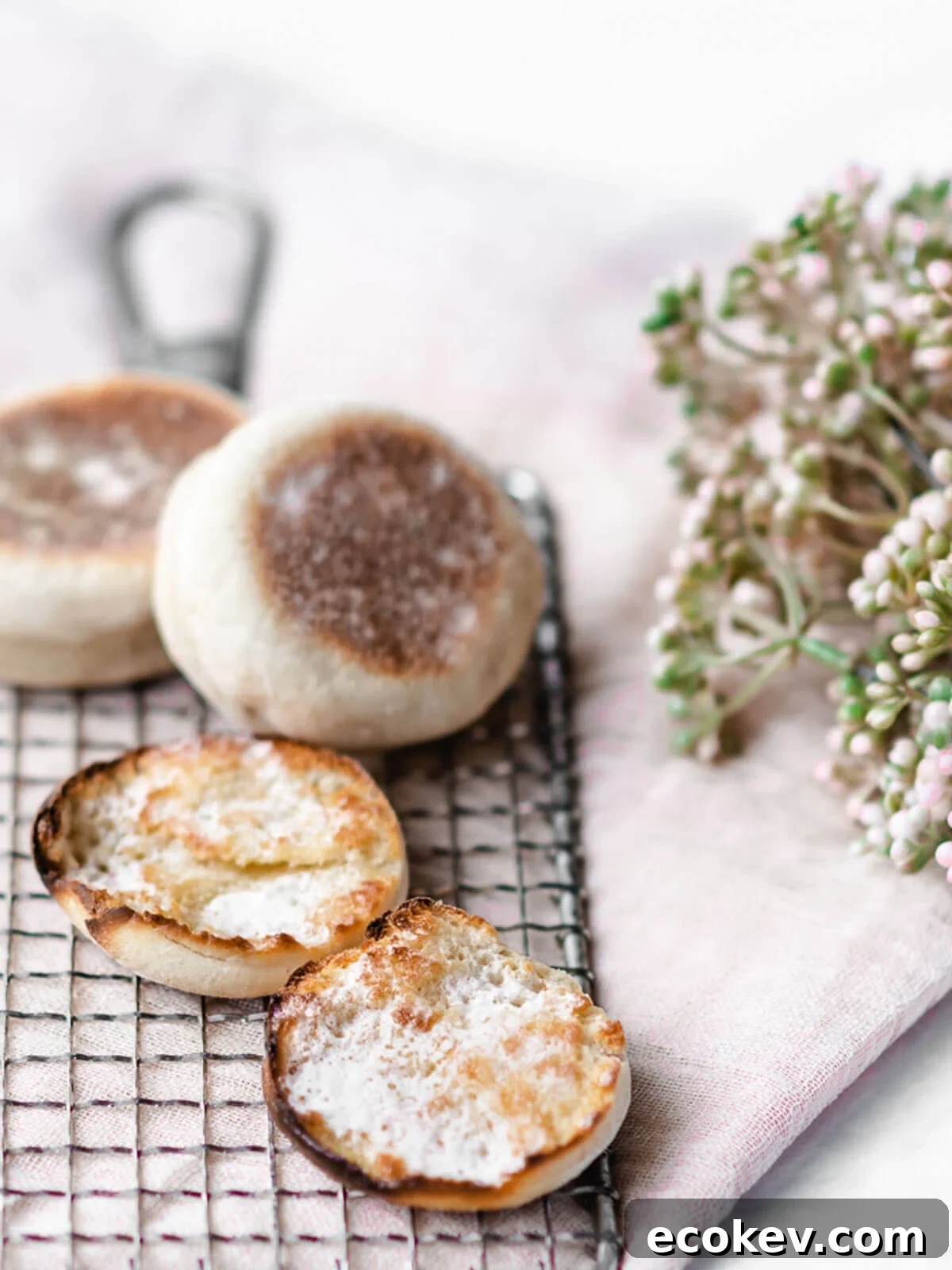
Cook the muffins on the first side for about 5 minutes, then place a lightweight, flat pan (a baking sheet used during proofing works well) atop the muffins to gently flatten them and continue cooking for another 5–7 minutes. Avoid heavy weights that would compress the muffins and make them dense. After a total of about 10–12 minutes on the first side with the weight in place, flip the muffins and finish cooking for another 10 minutes without the weight. Cook until the internal temperature reaches about 190°F and the centers show no wet dough.
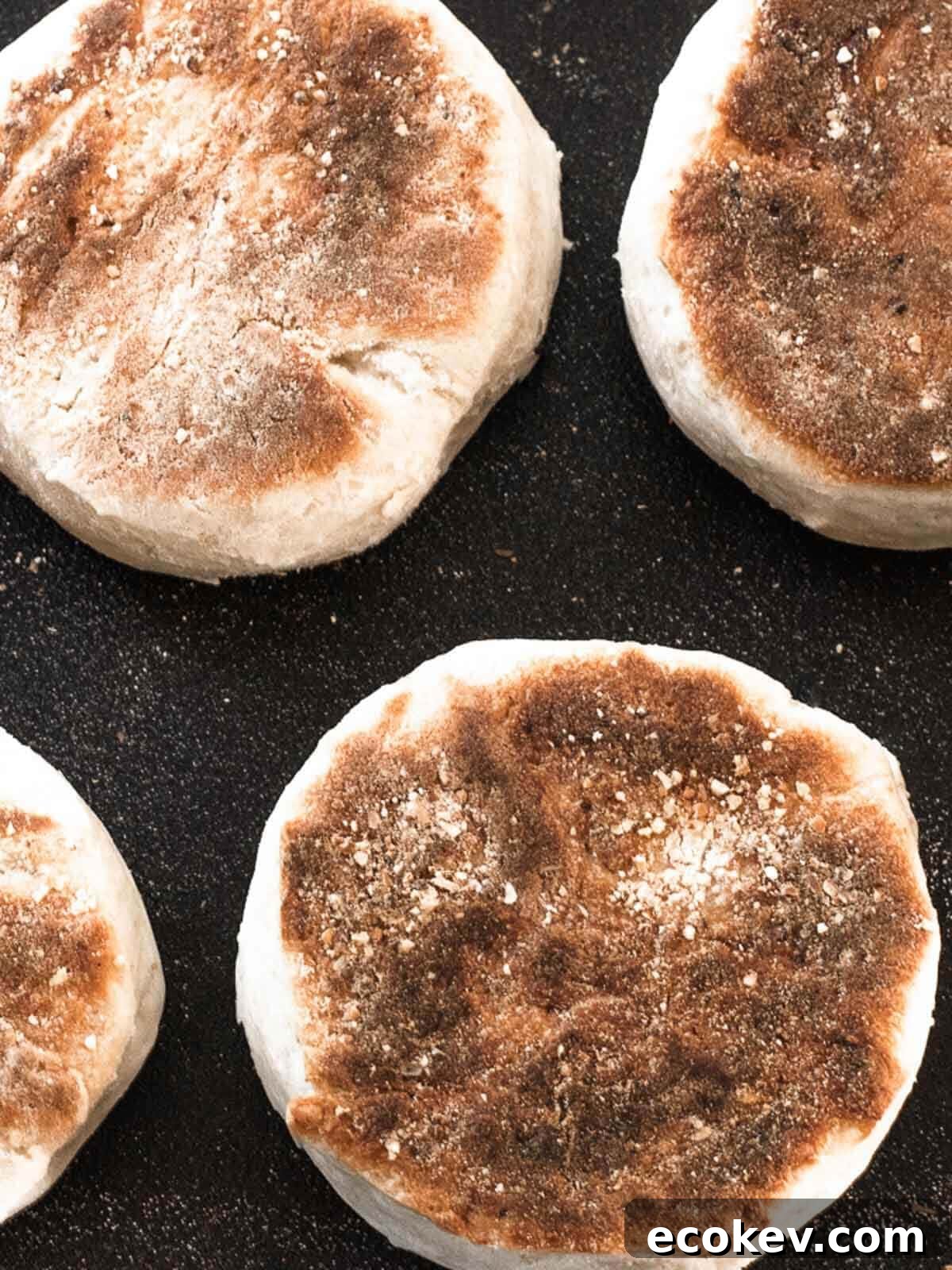
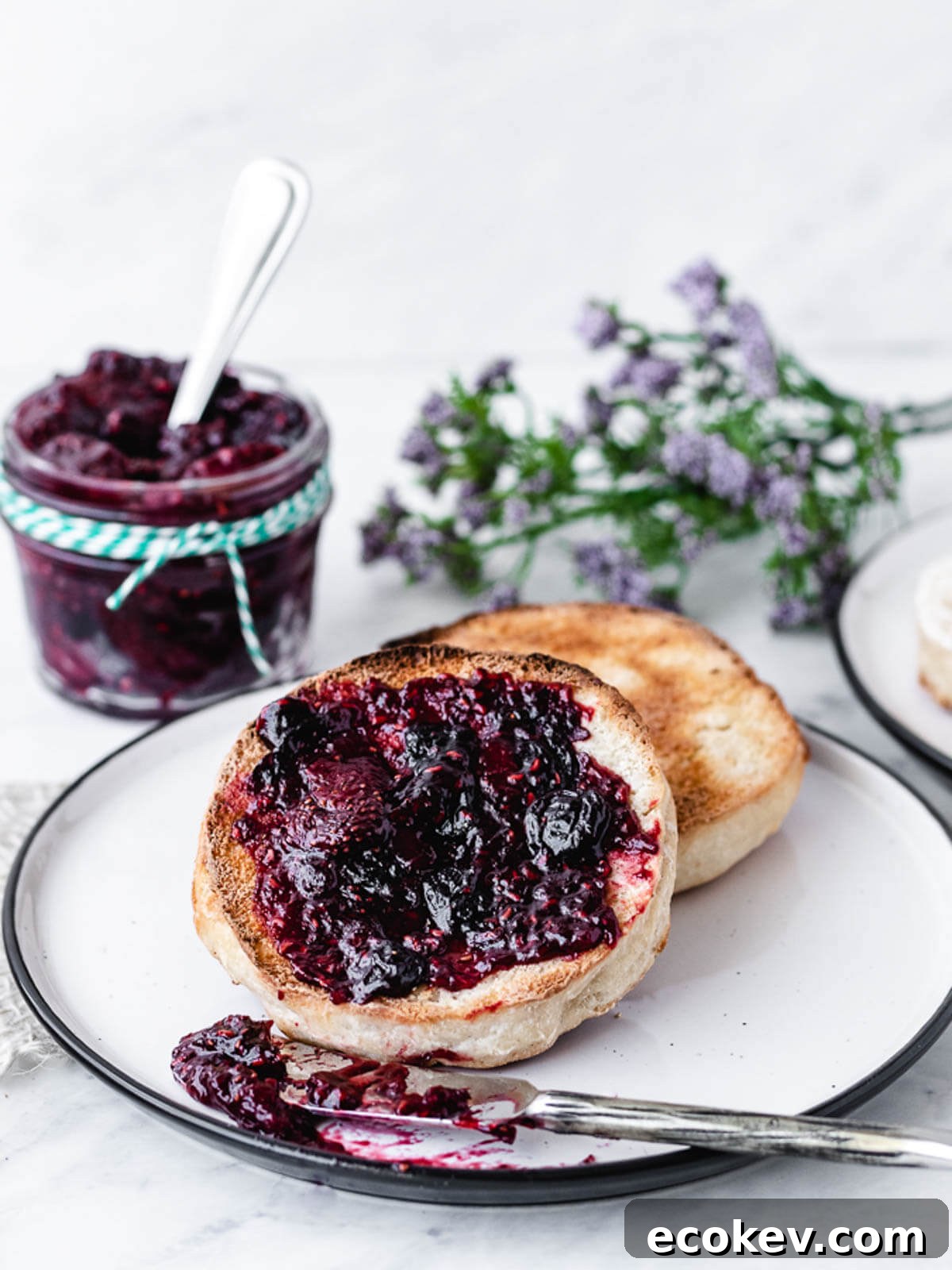
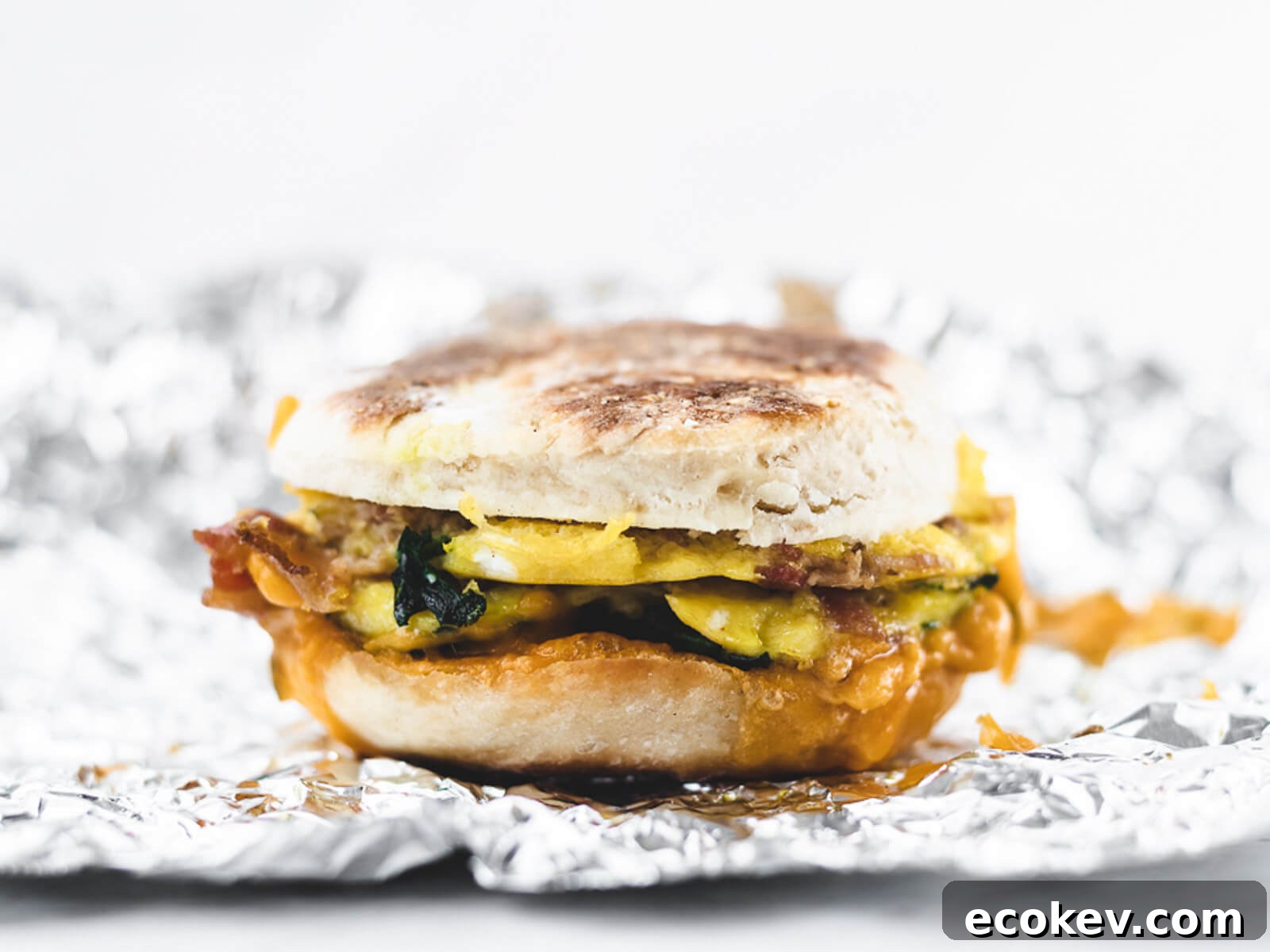
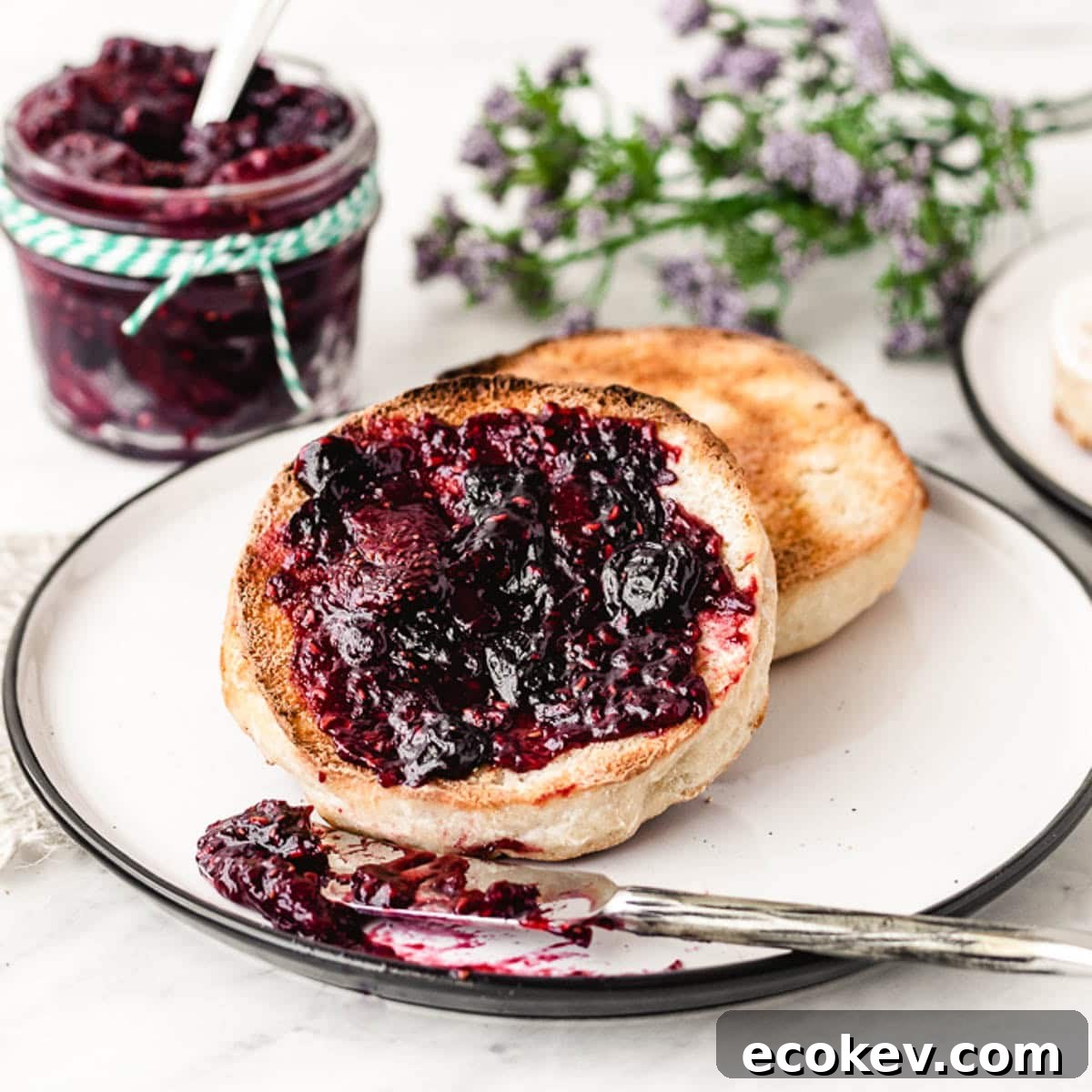
When cooled, split and toast your English muffins, then top with butter, jam, or assemble breakfast sandwiches with eggs and cheese. These muffins freeze well, so you can keep a stash ready for quick breakfasts.
Looking for more breakfast recipes? Give these a try:
- English Muffins
- Jerusalem Bagels
- Homemade English Muffin Sandwich Bread
- Honey Wheat Sandwich Bread
FOR ALL MY FAVORITE BAKING TOOLS INCLUDING THOSE USED TO MAKE THIS RECIPE, CHECK OUT MY BAKING RESOURCES PAGE!
Did you enjoy this recipe? Please share a comment and leave a rating to let me know how it turned out!
Homemade Sourdough English Muffins Recipe
Pin Recipe
Rate Recipe
Equipment
- electric griddle
Ingredients
- 2 tablespoons granulated sugar
- 2 cups warm water (110°F–115°F)
- 1 tablespoon active dry yeast
- 1 cup sourdough starter (ripe or discard)
- 7 cups all-purpose flour
- ½ cup nonfat dry milk
- ¼ cup unsalted butter, room temperature
- 1 tablespoon kosher salt
- ¼ teaspoon citric acid (optional)
- Semolina or cornmeal for coating
Instructions
- Combine all dough ingredients (except the cornmeal/semolina) in a large bowl. Mix and knead by hand, mixer, or bread machine to form a smooth, soft, elastic dough. Add flour 1 tablespoon at a time if the dough is too sticky.
- Place the dough in a lightly greased bowl, cover, and let rise about 1½ hours until puffy. For a more pronounced sour flavor, cover and refrigerate the dough immediately and chill for 24 hours.
- Gently deflate the dough, turn it onto a lightly floured surface, cover, and let it rest for a few minutes to relax the gluten.
- Divide the dough in half. Roll one piece at a time to ½ inch thick and cut 3-inch rounds with a biscuit cutter or mason jar ring. Re-roll scraps and repeat with the remaining dough.
- Place rounds on baking sheets dusted with semolina or cornmeal, up to 12 per sheet. Sprinkle tops with more cornmeal or semolina, cover, and let rise until light and puffy (about 45–60 minutes, or about 2 hours if refrigerated overnight).
- Preheat an electric griddle to 350°F or a heavy frying pan over medium-low heat. Transfer as many rounds as will fit without crowding. Cook about 10–12 minutes per side, or until an instant-read thermometer reads 190°F.
- To keep tops flat, cook the first side about 5 minutes, then place a light flat pan on top and continue cooking 5–7 more minutes. After 10–12 minutes, remove the weight, flip the muffins, and finish cooking about 10 minutes on the other side. Cool on a rack before splitting and toasting.
Notes
- Store tightly wrapped at room temperature for 4–5 days or freeze for longer storage. Recipe can be halved; if halved, reduce yeast slightly for a comparable rise.
- Using a lidded electric fry pan at 325°F can shorten cooking time: brown both sides, then cover and finish cooking until done.
- If muffins are not cooking through on the stovetop, brown both sides and finish in a preheated 350°F oven for about 10 minutes.
- Recipe adapted from King Arthur Flour.
Nutrition