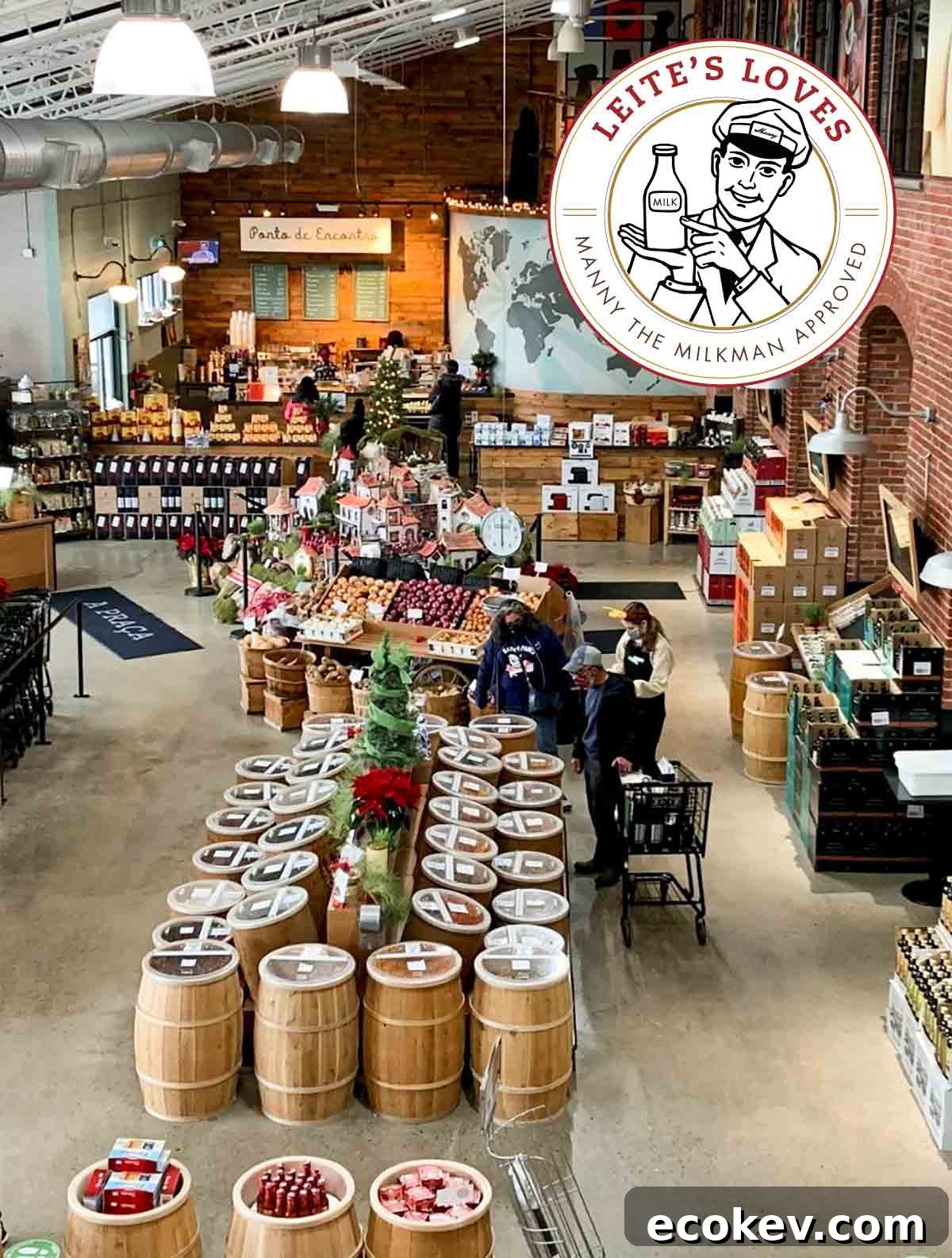
There’s a spot in Massachusetts devoted entirely to Portuguese food, culture, and hospitality. Stylish, welcoming, and thoughtfully curated, Portugalia Marketplace offers everything from salt cod and tinned fish to premium olive oil, freshly baked breads, and an exceptional selection of Portuguese wines. Family-run since its start, the market has grown into a destination that celebrates Portuguese culinary traditions and contemporary tastes.
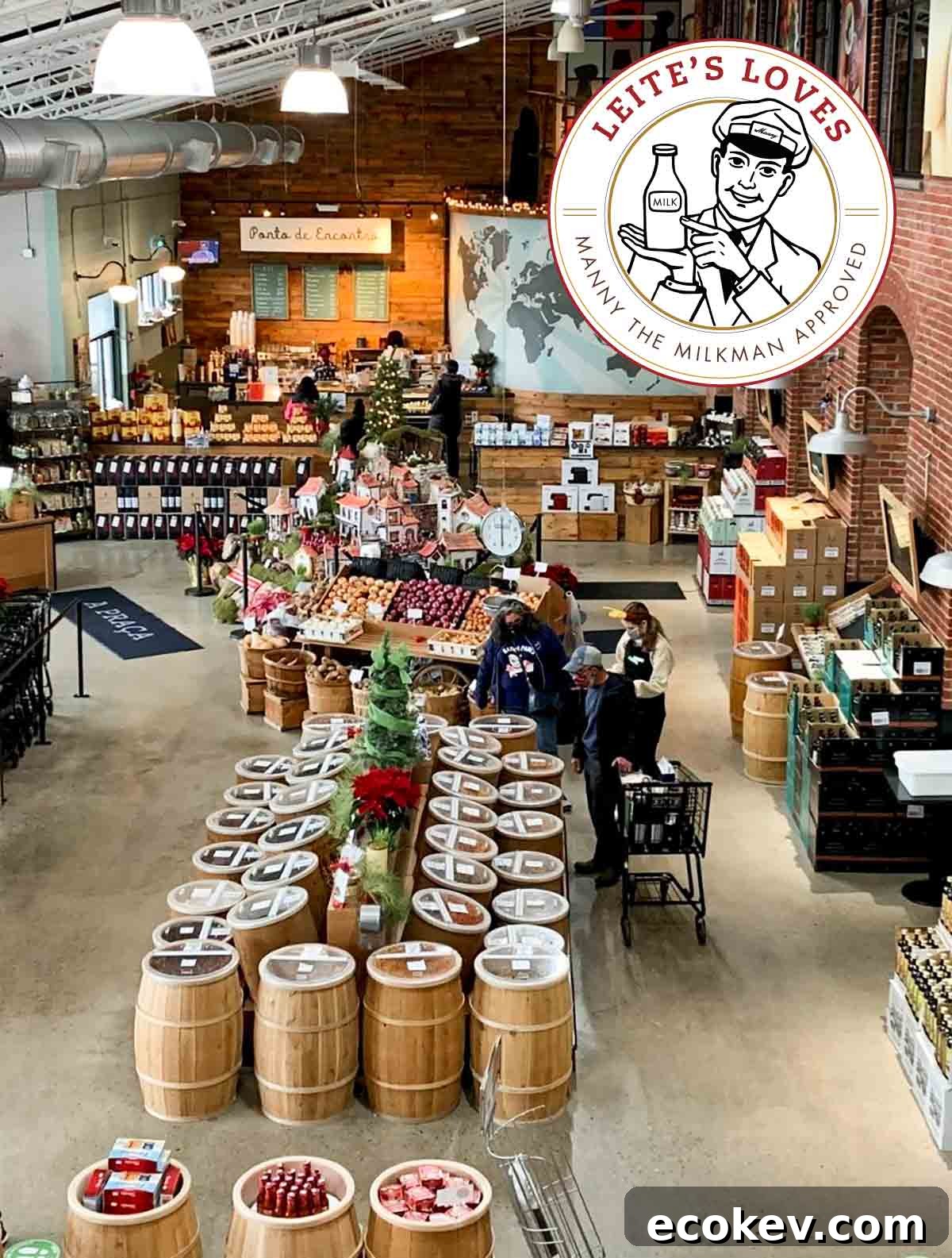
If you know Massachusetts’ South Coast—the region with one of the largest Portuguese-American communities in the country—you’ve likely heard of Portugalia Marketplace. The expansive, design-forward emporium stocks Old World staples like bacalhau (salt cod), conservas (tinned fish), dried beans, and traditional sauces, alongside prepared foods, baked goods, home linens, and a wide range of Portuguese wines.
The store is the vision of Michael Benevides, a second-generation Portuguese-American entrepreneur who transformed a small family operation into the large, polished marketplace it is today. What began as a garage-based business serving the local Portuguese community for decades was moved first to a larger warehouse and eventually into a renovated textile factory that now houses the market’s full range of goods.
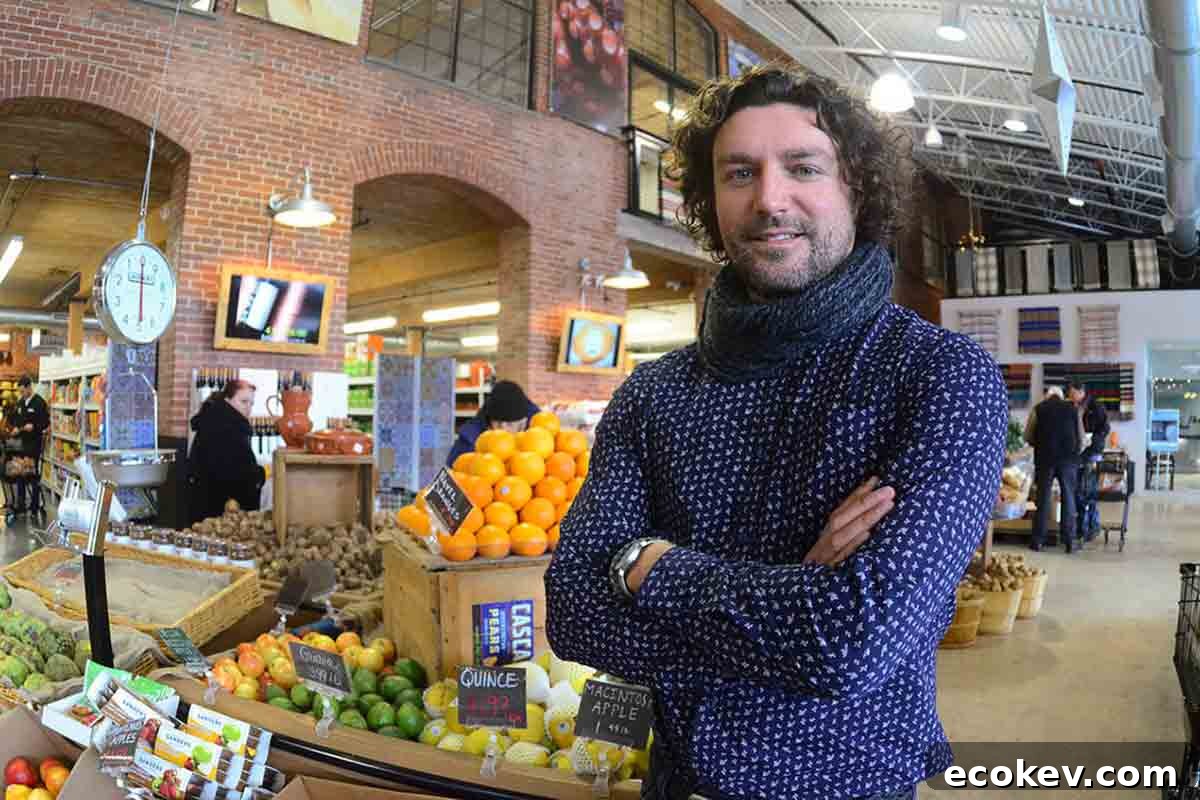
Under Benevides’s leadership, Portugalia has become a go-to food hall for both the local Portuguese community and visitors seeking authentic Portuguese products. He shepherded the business through significant cultural and operational changes—growing the customer base while maintaining traditional offerings—so that the market now stands alongside renowned specialty food halls and marketplaces.
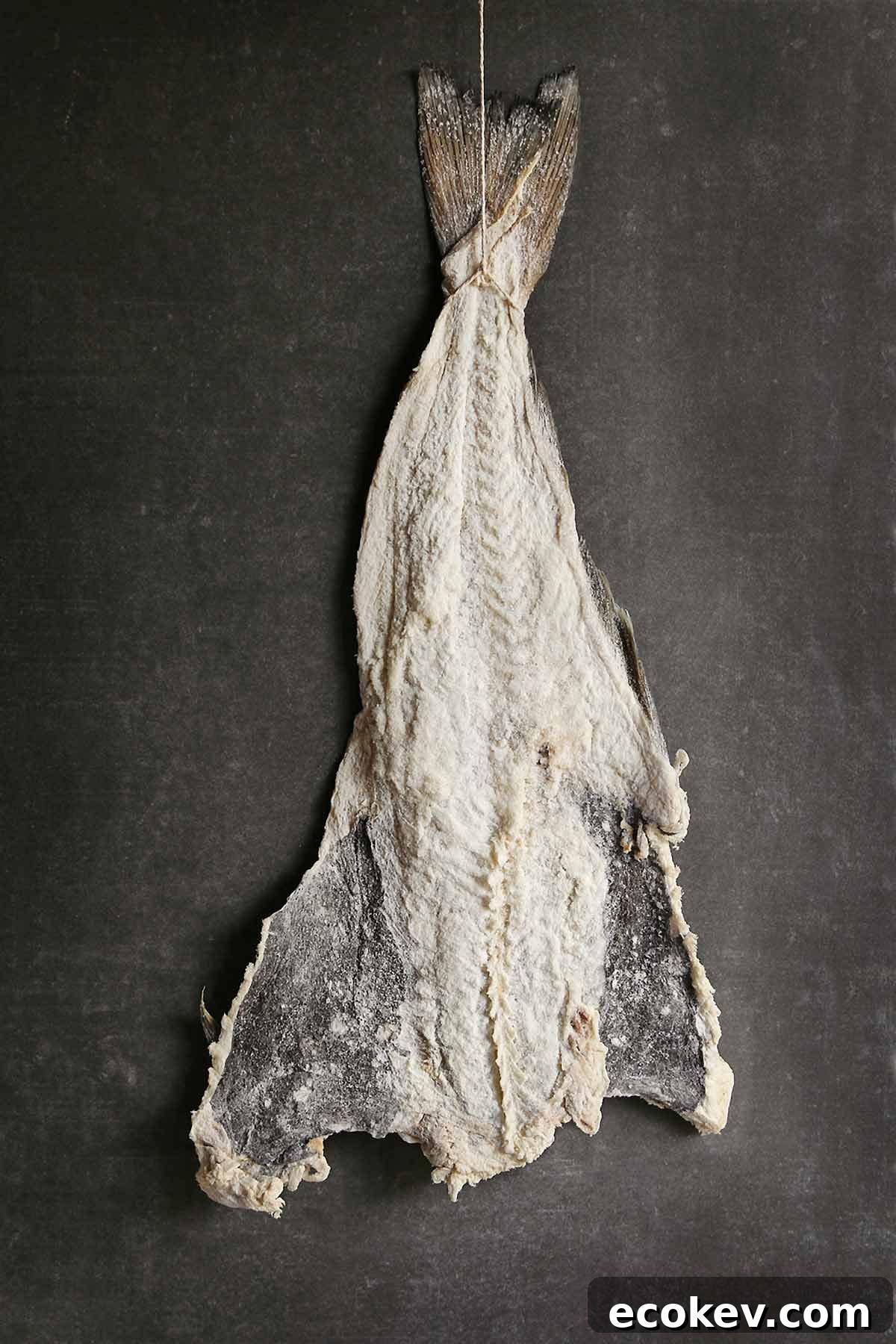
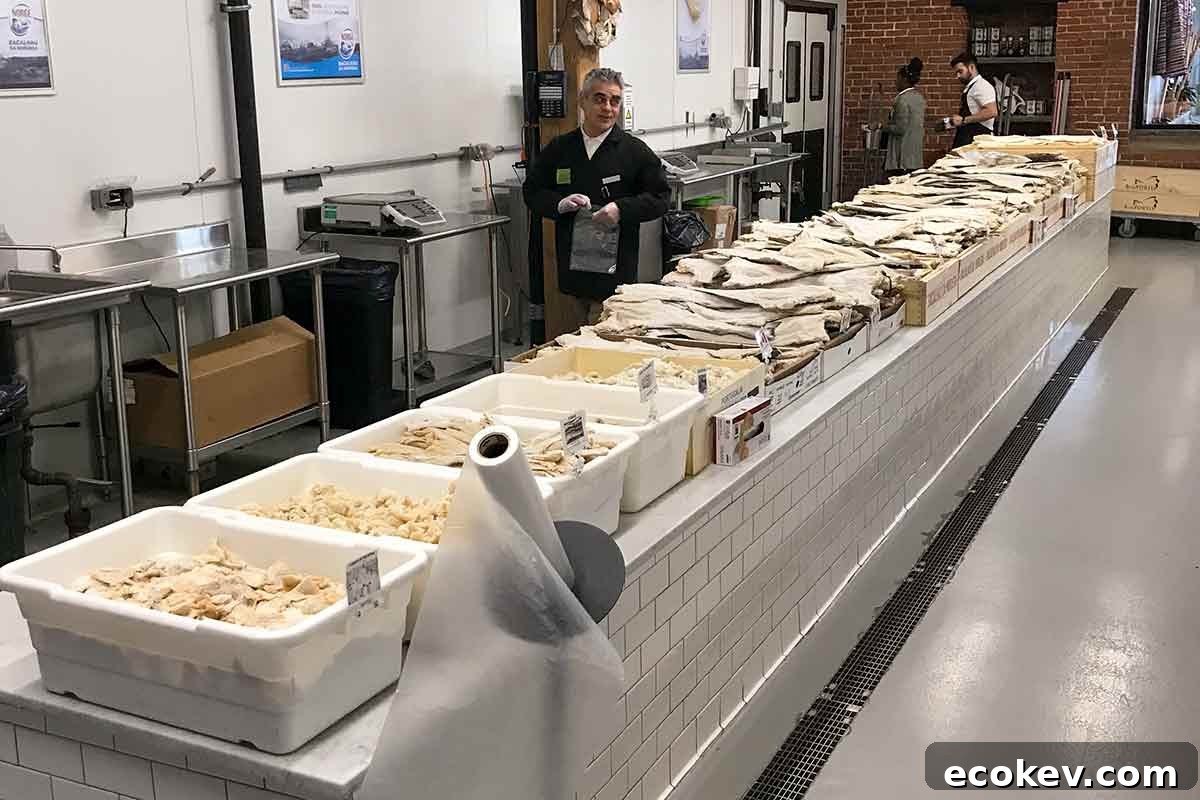
One of Benevides’s notable achievements is elevating the presentation and availability of bacalhau. Historically a rugged, strongly scented ingredient familiar to older generations, salt cod at Portugalia is stored and displayed with care. When the current location opened in 2013, Benevides installed a temperature-controlled bacalhau room—perhaps the largest dedicated space of its kind—offering whole planks from Norway and Canada as well as cuts like loin, cheeks, skin-on and skinless portions.
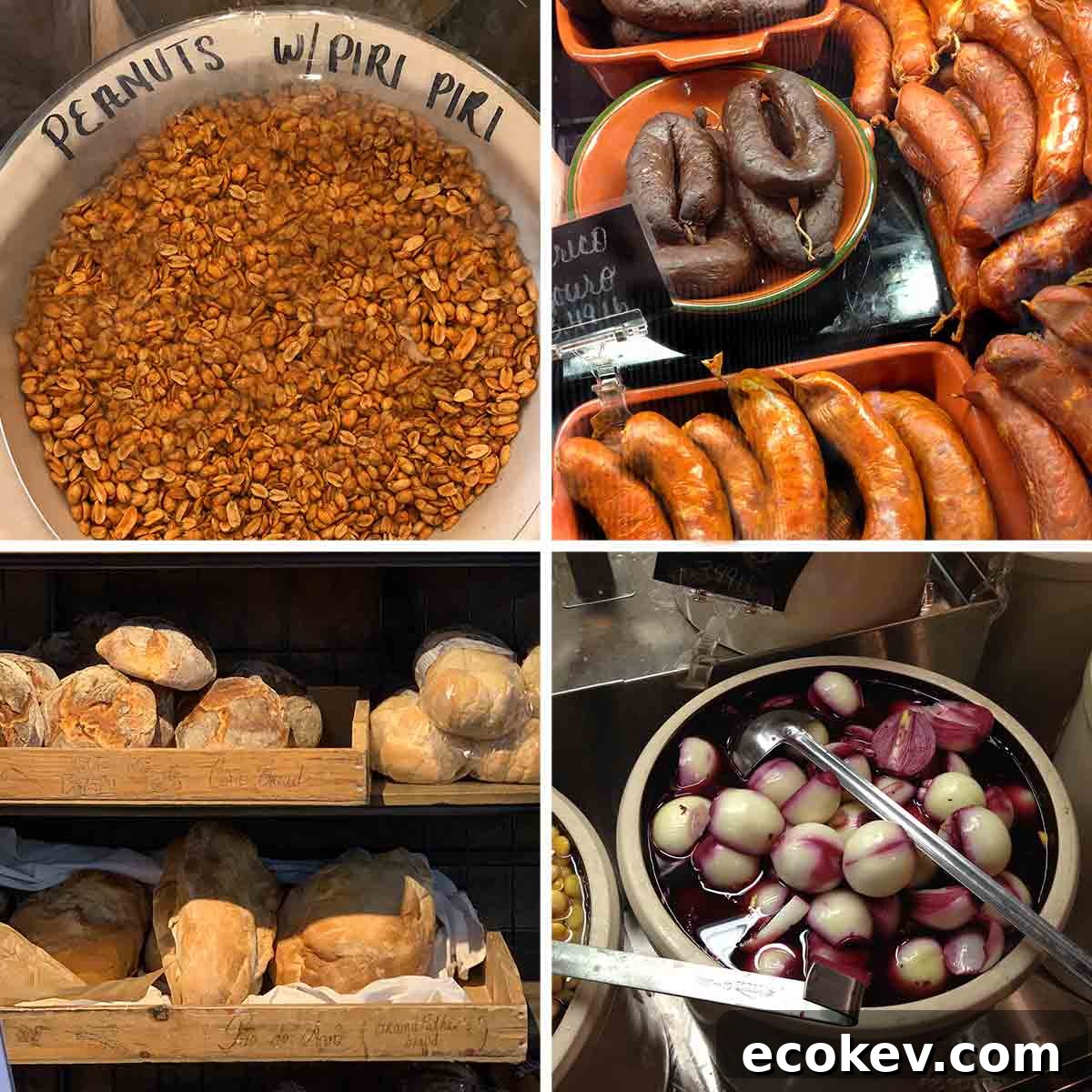
Beyond bacalhau, the market overflows with quality olive oils, conservas of tuna, sardines, octopus, and mackerel, plus aisles of specialty products, cooking and baking supplies, and an impressive collection of Portuguese wines. Local Azorean breads—massa sovada (an enriched egg bread), bolos levedos (Azorean-style muffins), and pão de casa—sit alongside imported cheeses, while smoked chouriço, linguiça, and morcela tempt customers in the prepared-foods section. The deli and kitchen produce classics like bacalhau à Gomes de Sá (salt cod with potato and egg), rissóis (shrimp turnovers), and traditional soups.
The in-house bakery produces savory snacks, spreads, cakes, and the celebrated pastéis de nata—custard-filled tarts made with skill and authenticity. The bakery’s range and the market’s curated selection reflect a balance between honoring tradition and meeting modern culinary expectations.
As demand has grown, Benevides acknowledges the market is already pushing the limits of its current space. The success is a testament to the increasing interest in Portuguese food culture, driven by travel, curiosity, and a broader appreciation for diverse culinary traditions.

Interview with Michael Benevides of Portugalia Marketplace
When did you get involved in the business?
I grew up in the business from age 11. Fall River’s immigrant community shaped my upbringing—my parents worked in factories but wanted more, and that inspired me. My father’s work ethic, tenacity, and insistence on education influenced my path. He encouraged me to get a college degree so the business would not be my only option if things didn’t work out.
What inspired the new Portugalia?
College broadened my appreciation for the family business and the food industry. Meeting my wife Sandrine, who grew up in a French culinary household, further sparked my interest in food. Travel to Portugal and France exposed me to open-air markets and the European attention to product quality and presentation. I wanted to reinvent the family business to showcase our culture to a wider audience while maintaining authenticity.
What was your goal in creating a destination store?
Portugal’s evolving food, art, and culture inspired me. By creating a market in a former textile mill with character and soul, we could present both modern Portuguese culture and the traditions of the immigrant communities in New England. Many visitors describe the market as a cultural excursion, which is exactly the experience I wanted to offer.
What misconceptions do people have when they walk in?
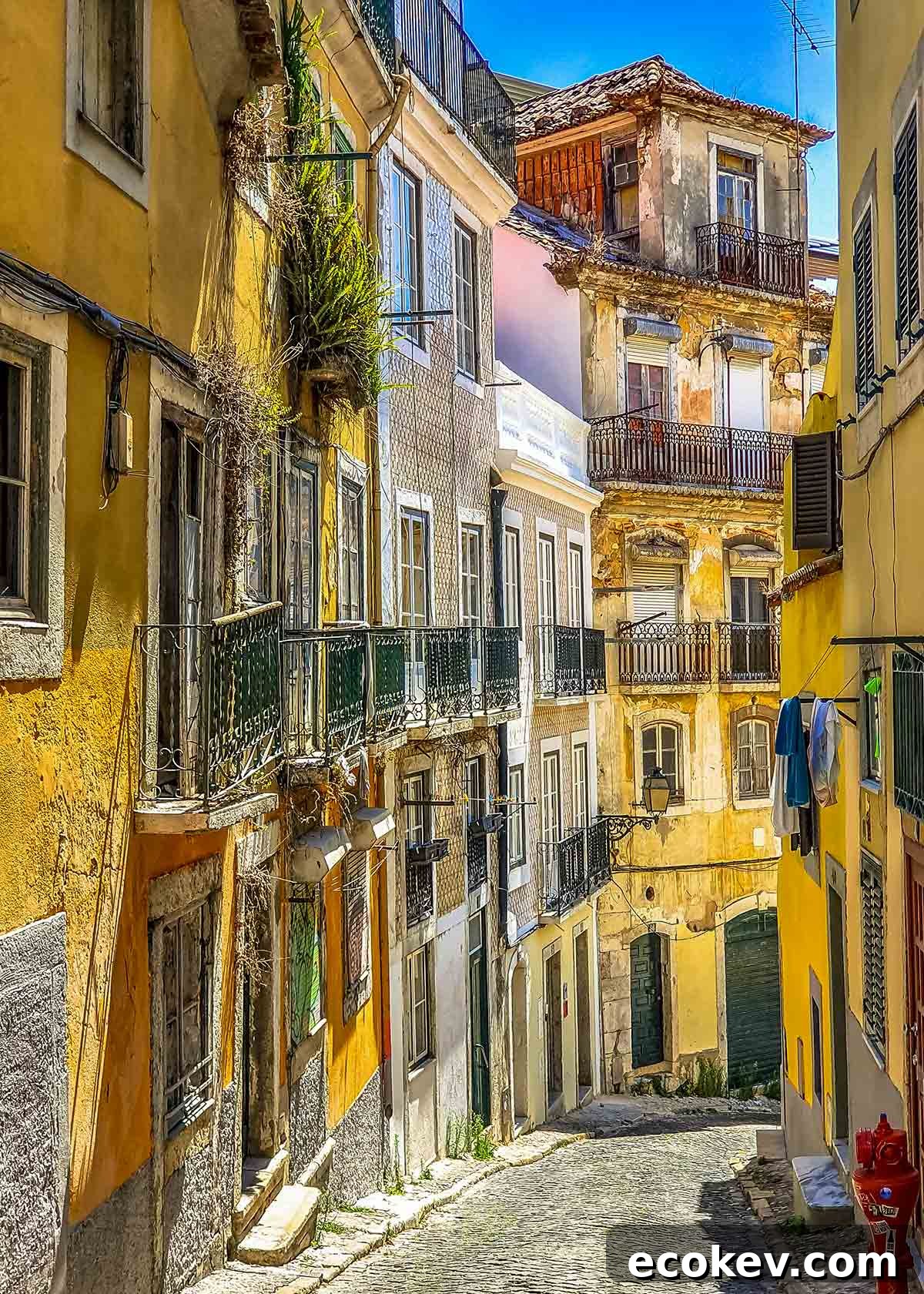
Many non-Portuguese assume Portugal is part of Spain—an incorrect but increasingly corrected notion. While there are culinary similarities between the countries, Portuguese cuisine is distinct. Another common underestimation is that Portuguese food goes beyond well-known items like sweetbread and chouriço; there is a wide, nuanced culinary tradition worth exploring. For longtime Portuguese residents of New England, one misconception to update is that Portugal today blends tradition with innovation and now competes strongly on the global culinary stage.
How do you curate the products, and how often do you visit Portugal?
Years in the business have honed my sense of what customers want. Market dynamics have allowed more experimentation in sourcing. I typically visit Portugal two to three times a year to meet suppliers and discover both traditional and emerging products.
What is the store’s history and future vision?
Portugalia began in 1988 in a three-car garage near our current location, serving Fall River’s ethnic community with staples like bacalhau, olive oil, and tinned fish. Over time customers traveled from across New England, which motivated expansion. Today we’re building a national presence through e-commerce and expanding our wholesale reach while staying true to our roots.
Is appreciation for Portuguese food growing?
Yes. Increased travel to Portugal has introduced many non-Portuguese to the country’s cuisine and products. These travelers often become enthusiastic ambassadors for Portuguese food and wine, helping raise interest and demand.
What would an ideal starter gift box include?
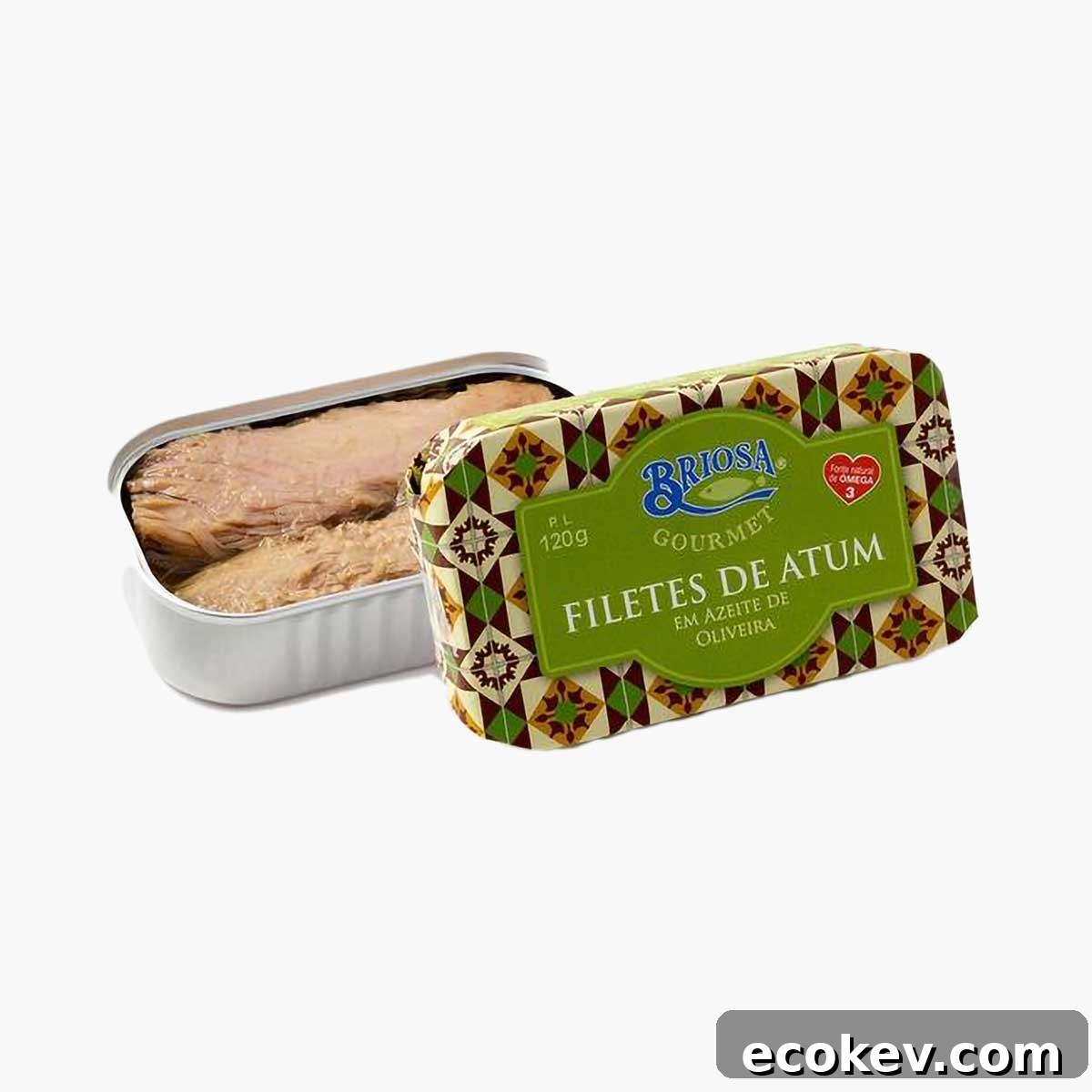
A starter box could include conservas, a bottle of olive oil, cheese, a selection of cured meats, a jar of nuts, and a bottle of Portuguese wine (note: wine cannot be shipped by some carriers).
Where to find Portugalia Marketplace
Portugalia is located at:
489 Bedford St.
Fall River, MA 02720
Telephone: (508) 617-9820.