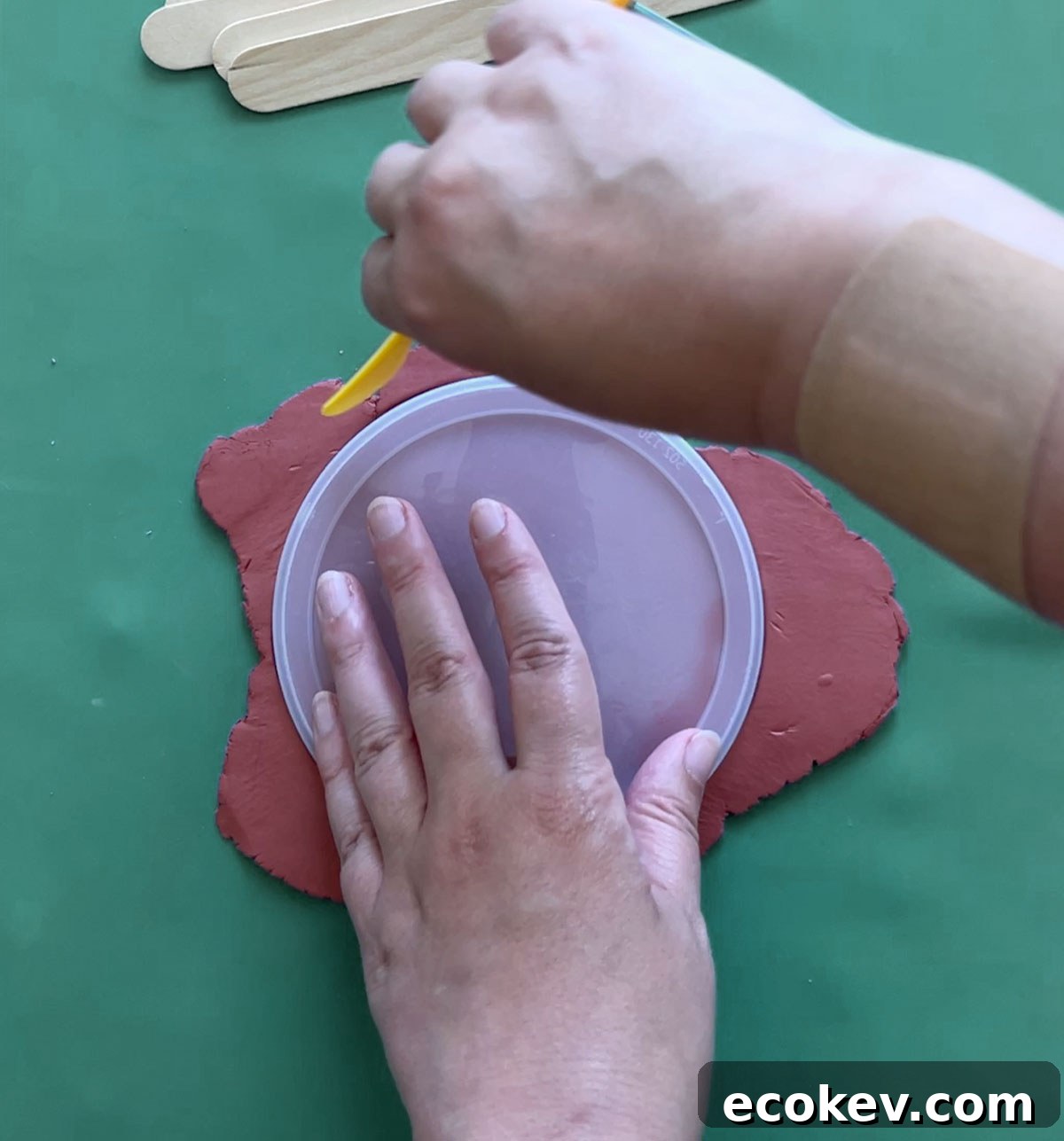
Air dry clay is an excellent medium for creating distinctive pieces for the home. It’s easy to shape and hardens by drying at room temperature. The drawback is the drying time—air-dry clay can take days to fully cure. If you need to speed things up, can you bake air-dry clay?
Yes, you can bake air-dry clay. While manufacturers often recommend air-drying, carefully baking air-dry clay at low temperatures can accelerate curing when done correctly and safely.
Below you’ll find a safe method for baking air-dry clay and a clear comparison between air-dry clay and oven-baked polymer clay so you can choose the best material and process for your project.
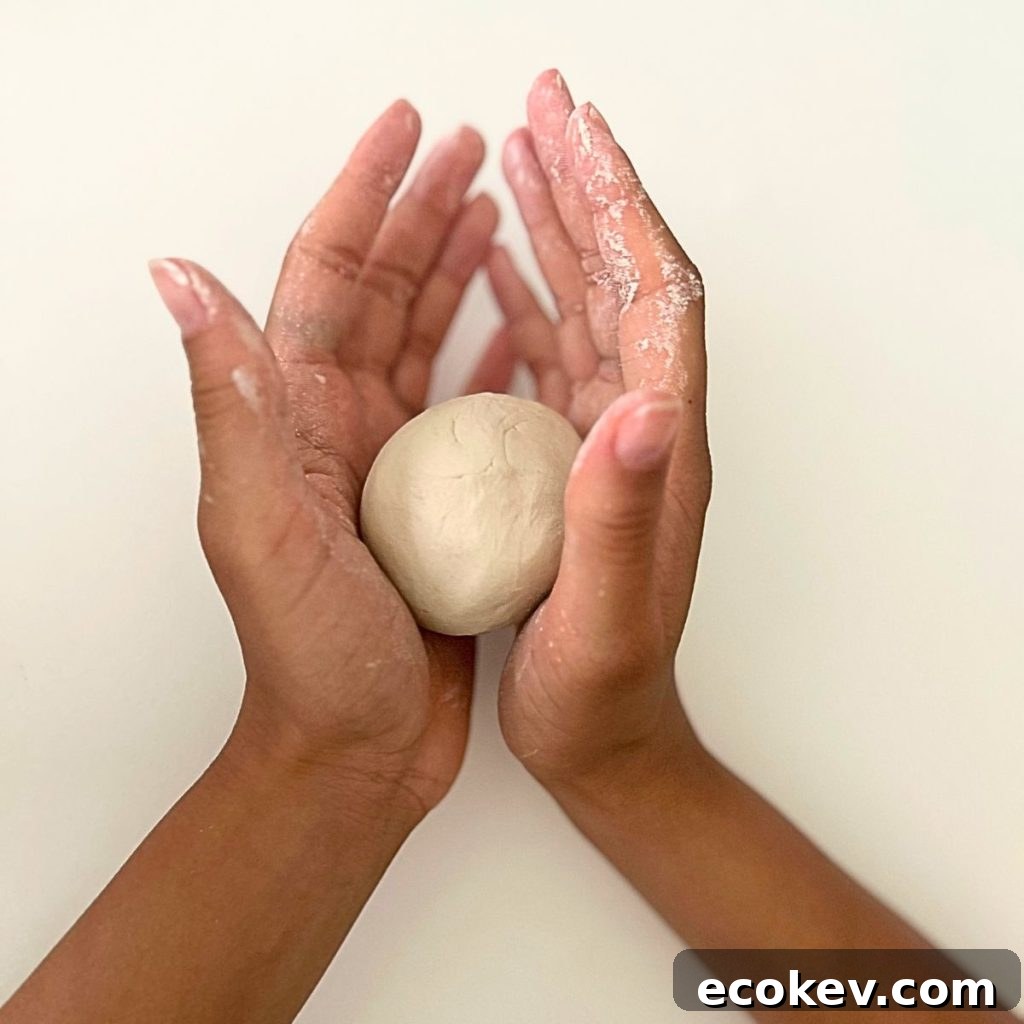
How to Bake Air Dry Clay
To bake air-dry clay you will need:
- A baking sheet
- Parchment paper
- Your clay project
- A conventional oven
Follow these steps, beginning with a cold oven:
- Line the baking sheet with parchment paper.
- Place your clay project on the parchment.
- Put the baking sheet into the cold oven.
- Set the oven to 200°F (93°C).
- As soon as the project is inside the oven, start a timer for 20 minutes. Do not wait for the oven to finish preheating before starting the timer; the preheat time counts toward the 20 minutes.
- When the timer ends, turn the oven off but leave the project inside.
- Allow the oven and the project to cool completely before removing the piece.
Important Notes on Baking Air Dry Clay
Before attempting to bake air-dry clay, consider these precautions:
- Never place your project in a hot oven. Put the piece into a cold oven so it heats gradually. Rapid temperature changes can cause cracking.
- Start the timer as soon as the cold oven is set with the project inside. The oven’s preheating time is part of the 20-minute bake; keeping the clay in the oven for 20 minutes after preheating risks cracking, brittleness, or burning.
- Let the oven and project cool fully before removing them. Sudden cooling can produce the same stresses as sudden heating and may cause breakage.
- Check the manufacturer’s instructions first. Some brands of air-dry clay include baking guidance, while others explicitly advise against baking.
- Always use parchment paper and avoid direct food surfaces. Protect the baking sheet and clean it thoroughly afterward to avoid cross-contamination with food preparation surfaces.
Air Dry Clay vs. Oven-Baked Polymer Clay
Different clays suit different projects. Understanding the distinctions between air-dry clay and polymer (oven-baked) clay helps you choose the right material for your needs.
What Is Air Dry Clay?
Air-dry clay is a pliable, water-based clay that hardens when exposed to air over time, usually within two to three days depending on thickness and humidity. It is easy to shape and convenient because it does not require a kiln or special equipment.
Air-dry clay contains clay combined with a binder such as glue. It typically shrinks slightly as it dries, and once cured it is not fully waterproof—exposure to water can soften it. For that reason, air-dry clay is best for indoor decorative pieces or items that won’t get wet regularly.
Because it’s inexpensive and forgiving to work with, air-dry clay is popular among beginners and children. Keep unused clay sealed to prevent premature drying.
What Is Oven-Baked Polymer Clay?
Polymer clay is a synthetic modeling material made from plasticized PVC. It remains workable until you bake it in a home oven, after which it cures into a hard, durable form. Baking times and temperatures vary by brand, but a common guideline is about 15 minutes per 1/4 inch (6 mm) of thickness.
Polymer clay offers predictable results: it won’t shrink as it cures, and once baked it is more water-resistant and durable than air-dry clay. It’s widely used for jewelry, beads, buttons, and small decorative items.
Unlike air-dry clay, polymer clay won’t begin to harden from exposure to air while you work, giving you more time to refine details before curing.
Conclusion
Baking air-dry clay is possible and can speed up curing, but it carries risks such as cracking, brittleness, or burning if not done carefully. If you choose to bake air-dry clay, follow the low-temperature, gradual heating and cooling method outlined above and always consult the clay manufacturer’s recommendations. For projects that need consistent durability and water resistance, consider using oven-baked polymer clay instead.