Get started with bread machine baking! These bread machine tips for beginners cover yeast, flour, dough checks, storage, and troubleshooting advice.
Last Updated on September 29, 2025 – Originally Published December of 2018
Getting a new bread machine or using one for the first time is exciting. Watching your machine knead its first loaf is a little magical.
With that excitement often comes questions: what is bread flour, which yeast should you use, and what do you do if a loaf doesn’t turn out as expected? Even simple things like storing homemade bread can feel uncertain at first.
I’ve been baking with bread machines for years and have gathered practical tips to help beginners avoid common pitfalls and enjoy fresh bread sooner.
First Step, Read the Instruction Manual
Reading the manual may not sound thrilling, but it really helps. Every bread machine model has its own features and quirks.
Look for details about available settings, the recommended order for adding ingredients, and how to clean the baking pan. Some machines require special care—for example, certain brands recommend not immersing the pan in water and advise cleaning the interior while keeping the exterior dry.
If you don’t have a manual, many manufacturers provide downloadable copies online or through their support pages.
Try the Recipes in the Manual
Start by following the recipes in your manual exactly. It’s tempting to experiment right away, but using the provided recipes helps you learn how your machine behaves and what results to expect.
Work through several recipes to experience different textures, crusts, and flavors. Once you’ve baked a few loaves and understand how your machine handles dough and rising times, you can begin experimenting with confidence.
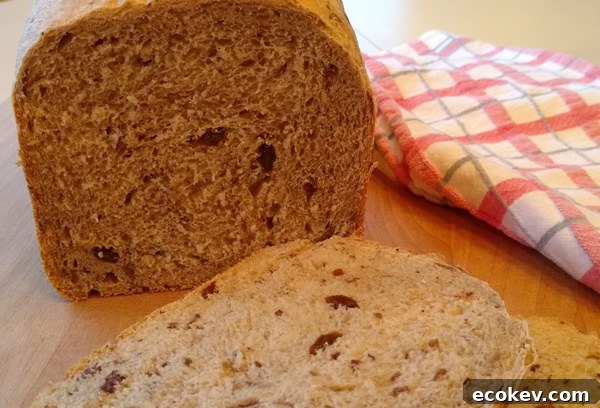
Raisin Bread
Manual recipes are often solid and reliable starter options. Trying several of them will help you discover what you and your family enjoy most.
Remember to Check the Dough
Check the dough after the machine has been kneading for five to ten minutes. Open the lid briefly and look for a smooth, round ball of dough.
If the dough seems too dry, add water a teaspoon at a time until it comes together. If it’s too wet and sticky, add flour a tablespoon at a time until the dough reaches a balanced, slightly tacky texture that holds its shape.
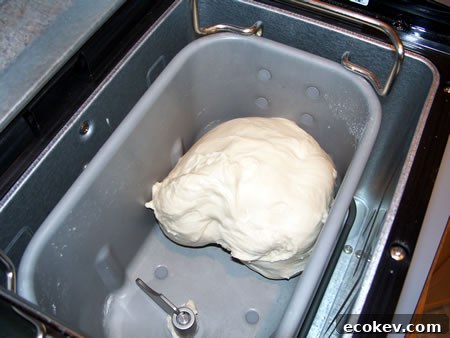
Here’s an example of a smooth, round ball of dough.
Bread Flour
Bread flour is recommended for most yeast bread recipes because it has a higher protein content, which helps develop stronger gluten and gives better structure and chew.
If you’re curious about other flours or how to measure flour properly, take time to learn the basics—accurate measurements and the right type of flour make a noticeable difference.
What Yeast Should You Use?
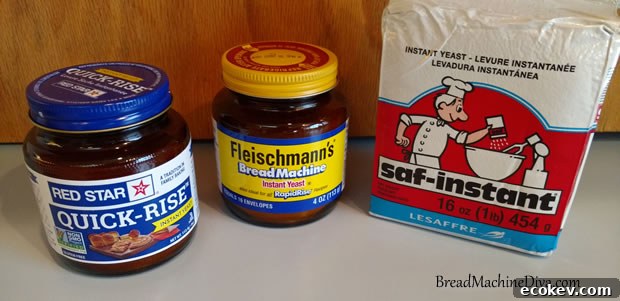
There are several yeast types—active dry, instant (also called rapid-rise), and specialized bread machine yeasts. Active dry yeast is a reliable choice and is used in many basic recipes. Instant yeast can be used too, but you may need to adjust the quantity slightly.
When switching yeast types, follow conversion guidelines so your dough rises correctly. If you’re unsure, stick with the yeast type specified in the recipe until you’re comfortable making substitutions.
Problems? We’ve All Been There!
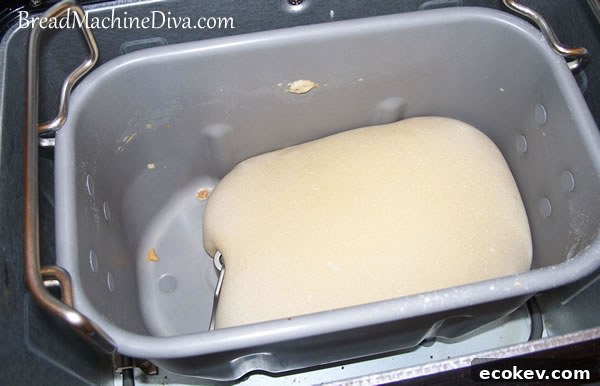
This is what it looks like when you forget to add the yeast.
Even experienced bakers have trouble sometimes—loaves that don’t rise, ingredients forgotten, or odd textures. Don’t be discouraged: each imperfect loaf teaches you something.
Most machine manuals include troubleshooting tips for common issues such as under- or over-risen loaves, dense crumb, or sunken centers. When you encounter a problem, review the recipe steps, confirm ingredient freshness (yeast and flour), and check dough consistency during kneading. Troubleshooting resources and experience will quickly reduce the number of problem loaves you get.
How to Store Bread
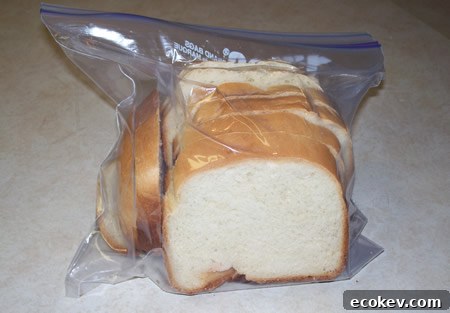
Homemade bread lacks some of the preservatives used in store-bought loaves, so it won’t stay fresh as long at room temperature. For the best results, slice the loaf and freeze portions you won’t eat within a day or two.
Sliced bread is easy to toast straight from the freezer; you may need a slightly darker toaster setting. Freezing preserves freshness and flavor without changing the texture much.
Enjoy and Keep At It
A bread machine can become a kitchen workhorse—producing sandwich loaves, hamburger buns, and dinner rolls. Keep trying new recipes and techniques; part of the fun is experimenting and finding what works best for your household.
Stick with it. Each loaf builds your confidence and brings the reward of fresh, homemade bread filling your kitchen.