
Wendy Stoltz
/ Last Modified On April 16, 2026
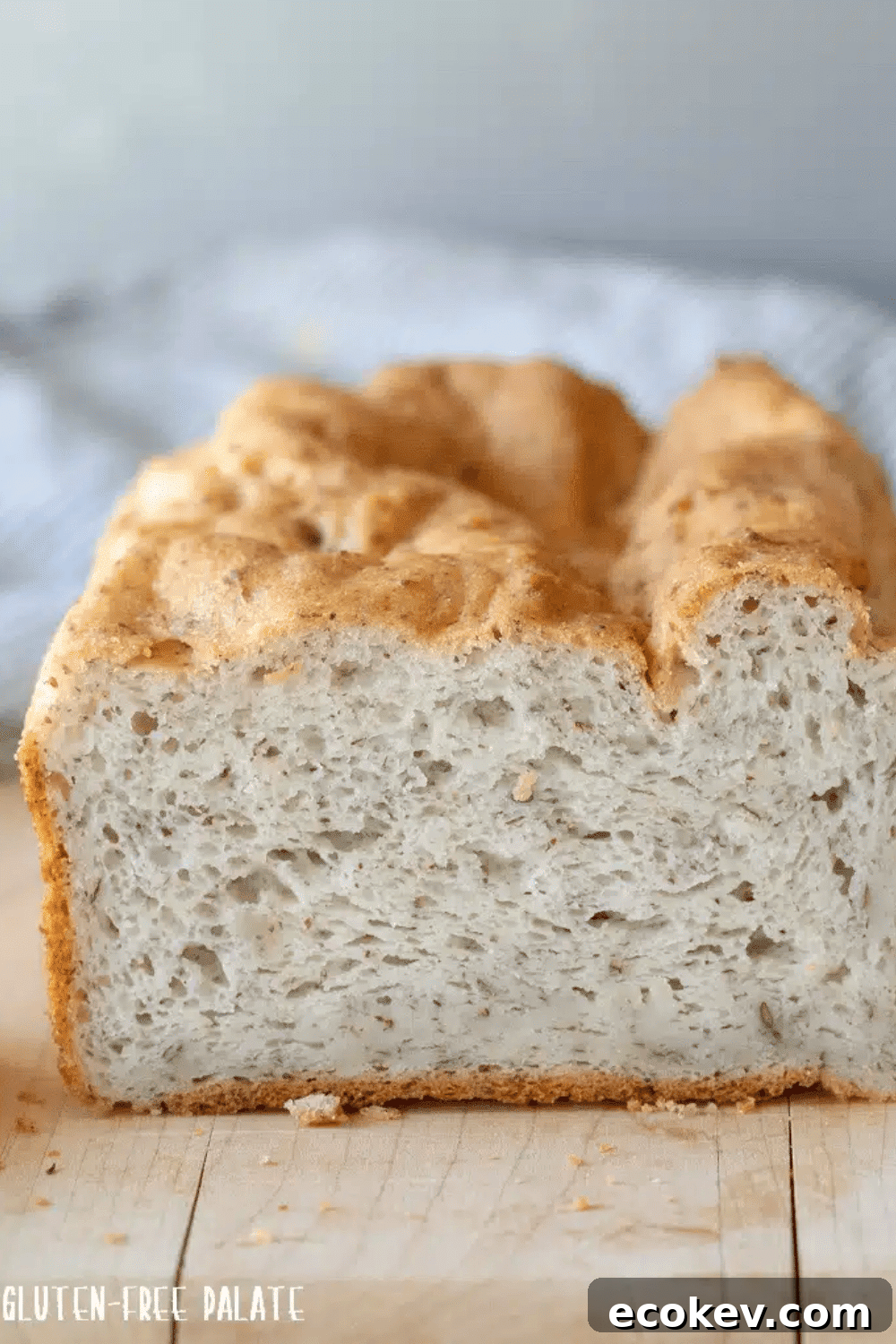
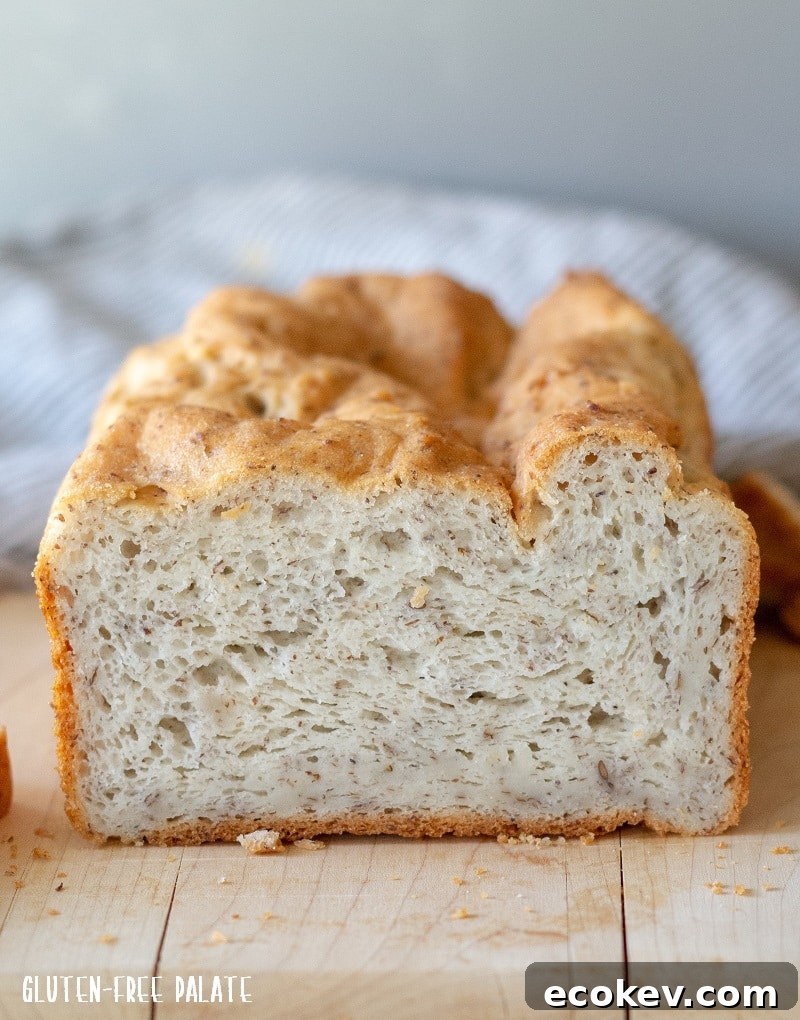
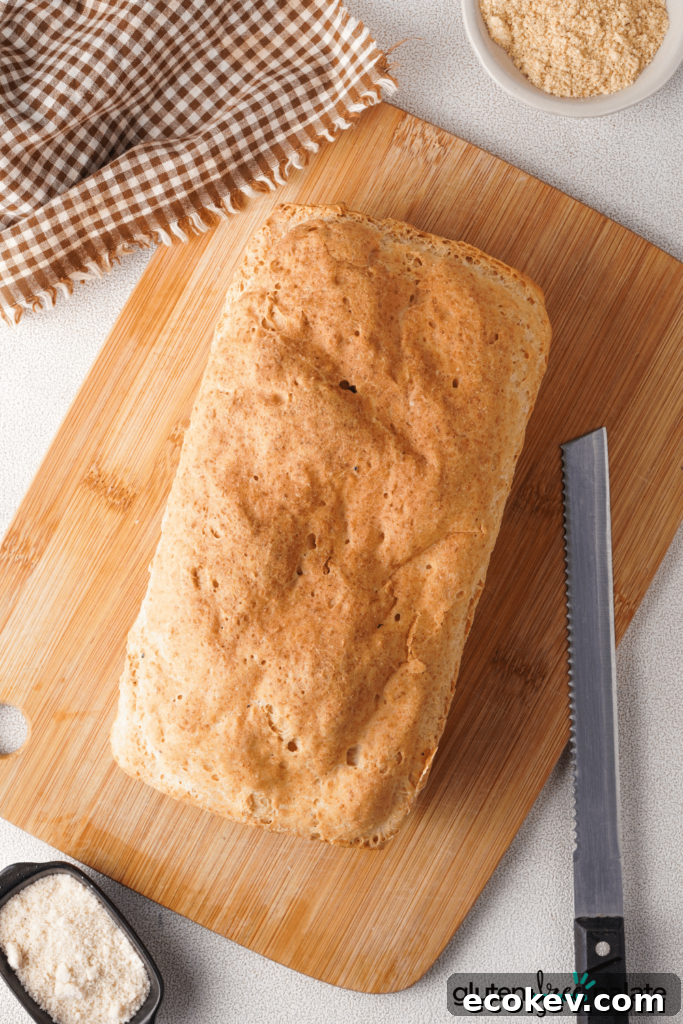
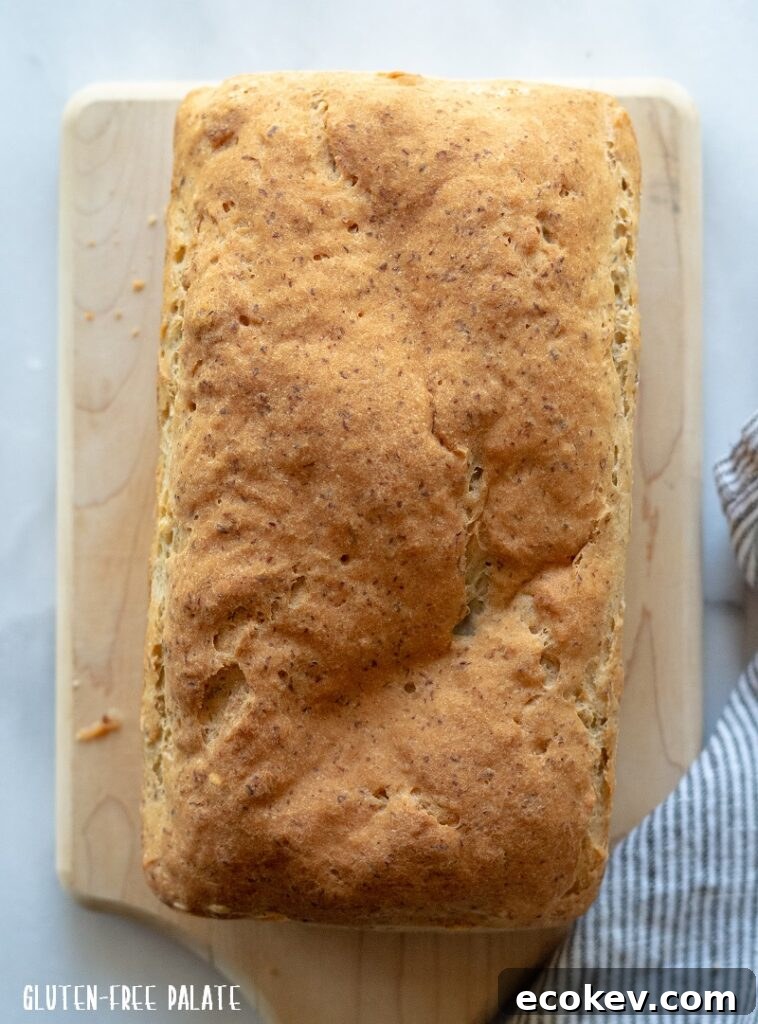
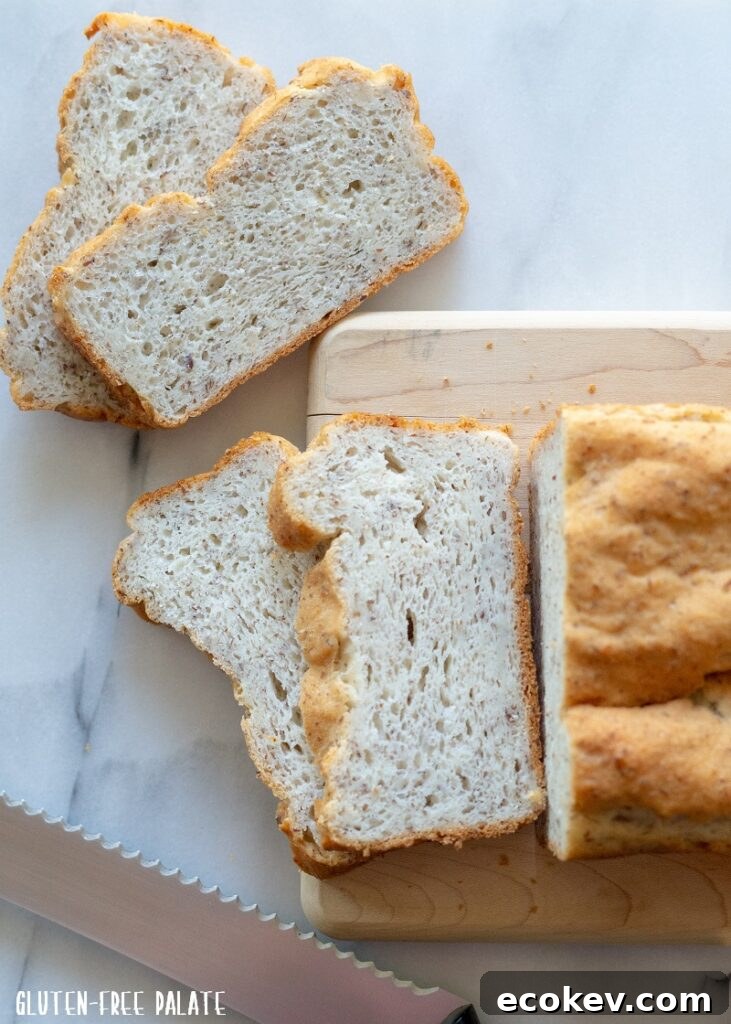
I’ve been refining this gluten-free sandwich bread since 2015. Over multiple revisions I’ve dialed in a loaf that’s soft, easy to slice, sturdy enough for sandwiches, and reliable both in the oven and in a bread machine. If you’ve struggled with dense, crumbly gluten-free loaves, this recipe delivers a tender crumb that toasts well and holds together under butter and fillings.
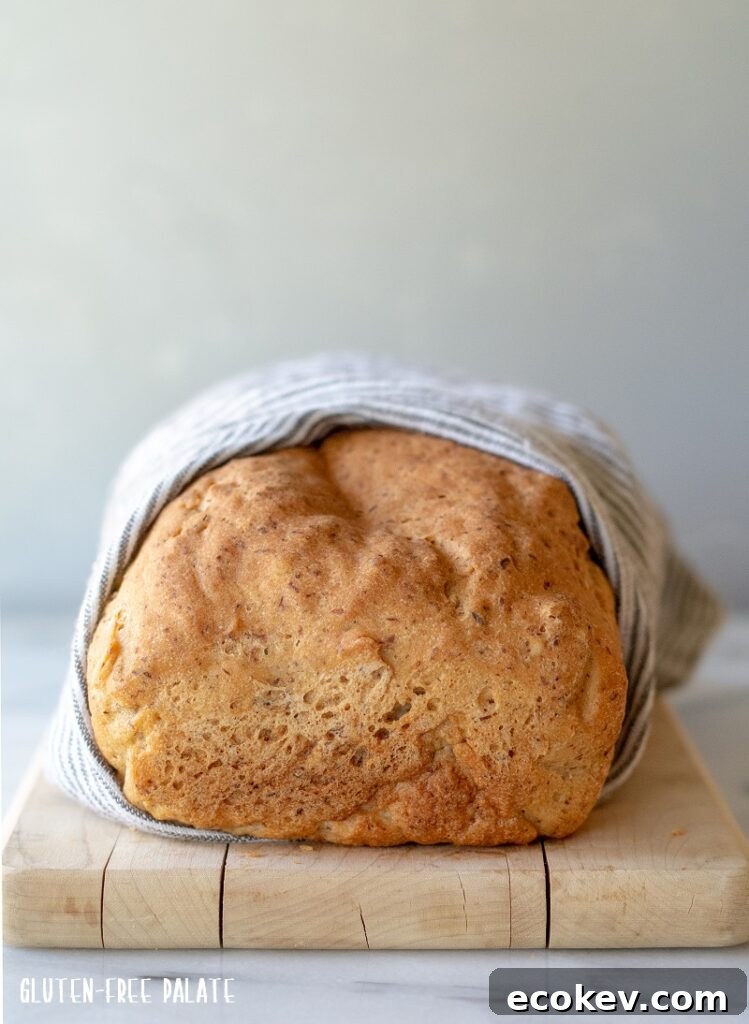
Table of Contents
Gluten-Free Sandwich Bread Recipe
My first attempt at gluten-free bread in 2015 was workable but not what I wanted. Since then I’ve tested flour combinations, added a bread machine version, and refined options for egg-free and dairy-free diets. The method below focuses on why each ingredient matters and how to get consistent results. If you prefer a bread machine, skip ahead to that section.
If you need an egg-free or vegan loaf, an egg-free swap is included. There are also several related gluten-free bread styles you might try after mastering this basic sandwich loaf.
Why this recipe works
Gluten-free baking lacks the gluten network that traps gas and creates structure in wheat bread, so every ingredient here contributes to texture and stability:
- Xanthan gum provides elasticity and helps slices hold together instead of crumbling.
- Egg whites add lift and help the loaf set without heaviness.
- Vinegar gives a gentle boost to yeast activity and improves crumb structure.
- Flaxseed meal retains moisture so the bread stays tender for several days.
I have been making this recipe for my son and daughter-in-law for some time now, usually two loaves a week. I have tried other recipes for a change, but none have turned out as good as this one and it never fails. I have started adding mixed seeds to one loaf for a variation.
Equipment Needed for This Gluten-Free Bread
- 8.5 x 4.5 inch loaf pan (recommended)
- Stand mixer with paddle attachment — gluten-free yeast dough is a thick batter, not a kneadable dough
- Mixing bowls
- Thermometer for water temperature
- Rubber spatula
- Plastic wrap or damp cloth to cover during proofing
- Wire rack for cooling
- Serrated knife for slicing
Yeast is sensitive to water temperature: too hot kills the yeast, too cool slows the rise. Use a thermometer to keep water between 95 and 110°F for proofing.
Substitutions and Variations
Below are tested swaps and a gum-free experiment. Swapping flour blends will change texture slightly. If you substitute the flour blend, replace all flours and starches in the recipe with the amounts listed for the alternative blend.
| Change | What to do | What to expect |
|---|---|---|
| Flour blend option 1 (tested) | 2 ½ cups my flour blend + ½ cup almond flour + ¼ cup flaxseed meal | Richer flavor, soft crumb |
| Flour blend option 2 (tested) | 2 ½ cups my flour blend + ½ cup millet flour + ¼ cup flaxseed meal | Nut-free option, mild flavor |
| Flour blend option 3 (tested) | 2 ½ cups Bob’s Red Mill 1-to-1 blend + ½ cup almond flour + ¼ cup flaxseed meal | Good structure, slightly different crumb |
| Flour blend option 4 (tested) | 2 ½ cups Bob’s Red Mill 1-to-1 blend + ½ cup millet flour + ¼ cup flaxseed meal | Nut-free version with sturdy slices |
| Egg-free (tested in oven only) | Replace 3 egg whites with 2 tbsp chia seed + 7 tbsp water; rest 5 minutes | Longer bake time, slightly different texture |
| Gum-free (experimental) | Replace xanthan gum with 3 tbsp psyllium husk powder | Can work but varies by brand; may need hydration tweaks |
This recipe was developed for the oven but includes a bread machine method below for convenience.
How to Make Gluten-Free Sandwich Bread
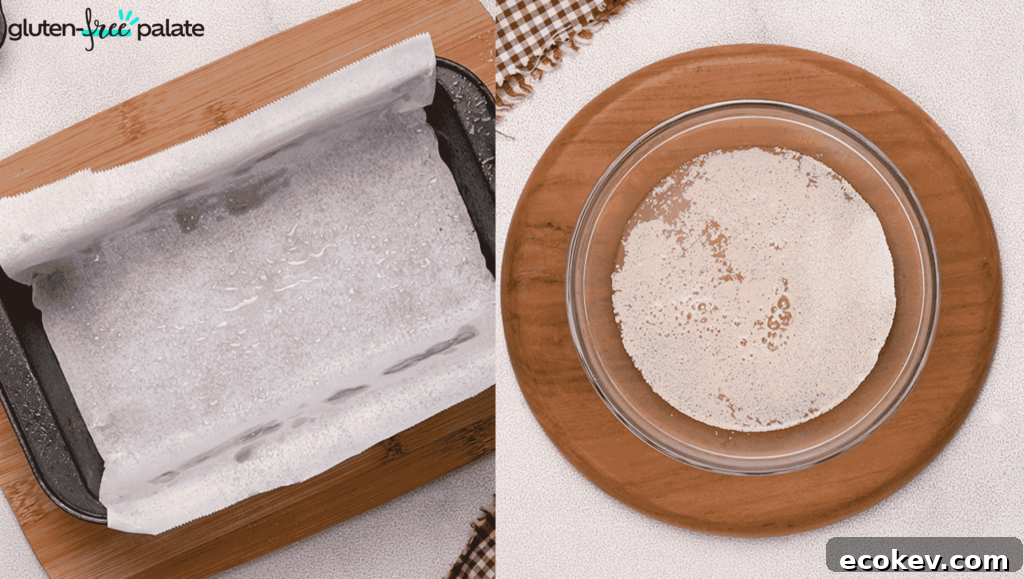
Read the recipe card below for exact quantities. Before starting, line your loaf pan with parchment so the bread releases easily. The basic steps follow:
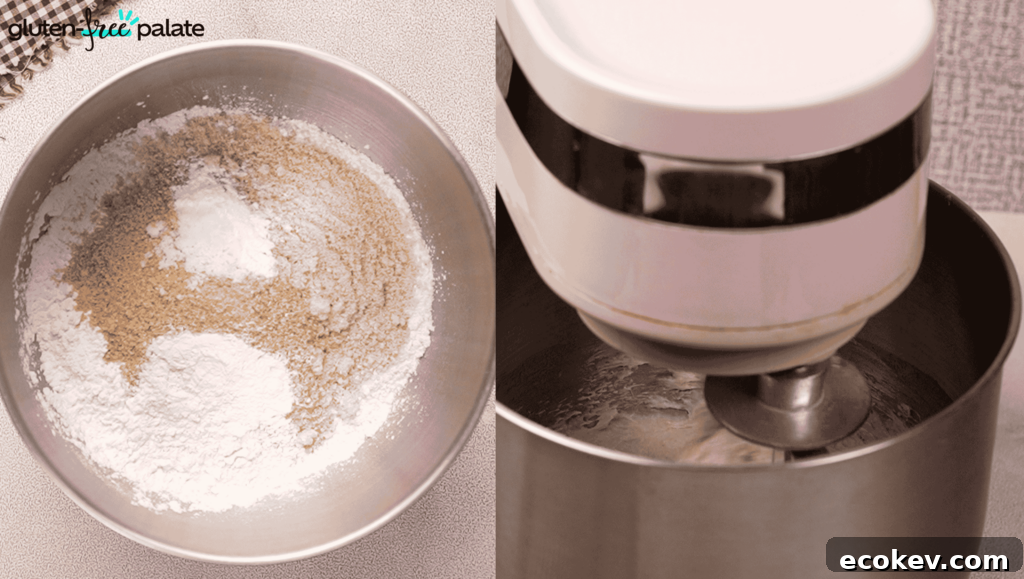
- Proof the yeast. Stir sugar and yeast into warm water (95–110°F). Let sit 5–10 minutes until foamy.
- Combine dry ingredients. In the mixer bowl combine flours, flaxseed meal, xanthan gum, baking powder, and salt on low until blended.
- Add wet ingredients. With the mixer running, add oil, egg whites (or egg-free substitute), vinegar, and the proofed yeast. Mix until smooth and thick.
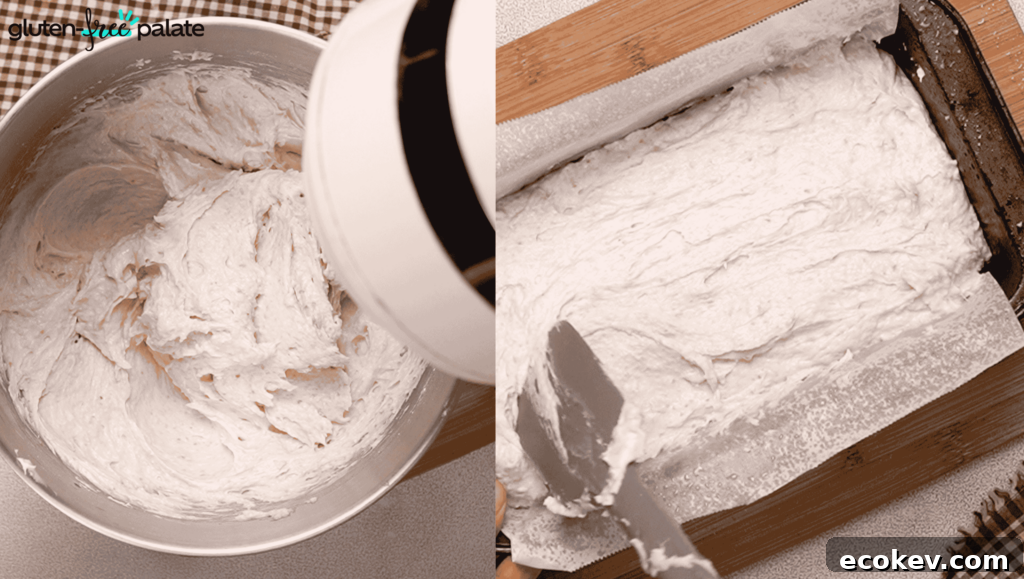
- Mix on medium for 2 minutes. The batter will be sticky — that is expected.
- Transfer to the pan. Scrape and press the batter into the prepared pan, smoothing the top with wet fingers if needed.
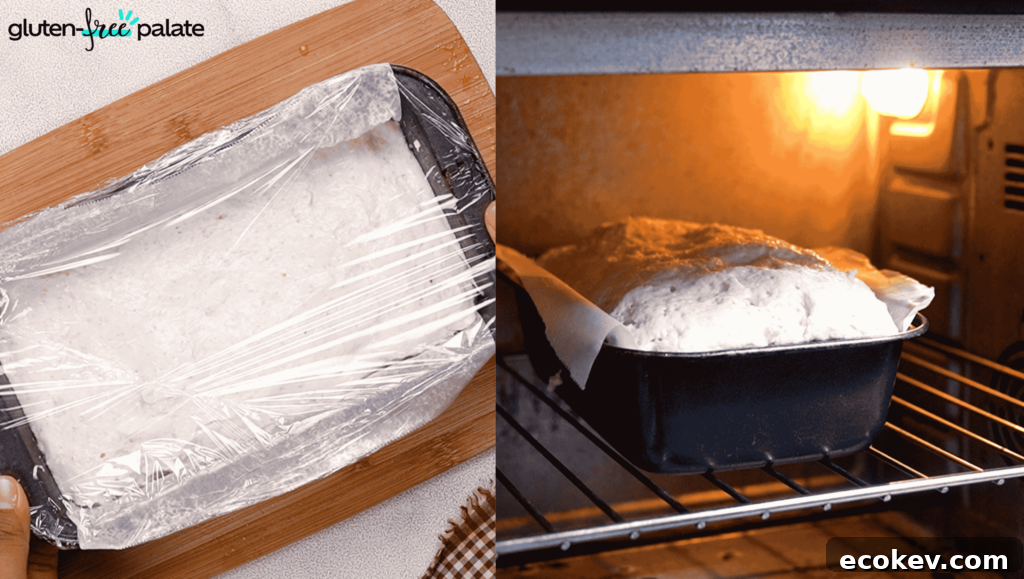
- Cover and proof. Lightly oil plastic wrap and cover the pan. Let rise in a warm place until the batter sits just above the pan rim, about 45–60 minutes. Preheat the oven to 350°F when the dough is near the top.
- Bake 60–65 minutes. Midway through baking, tent with foil to prevent over-browning.
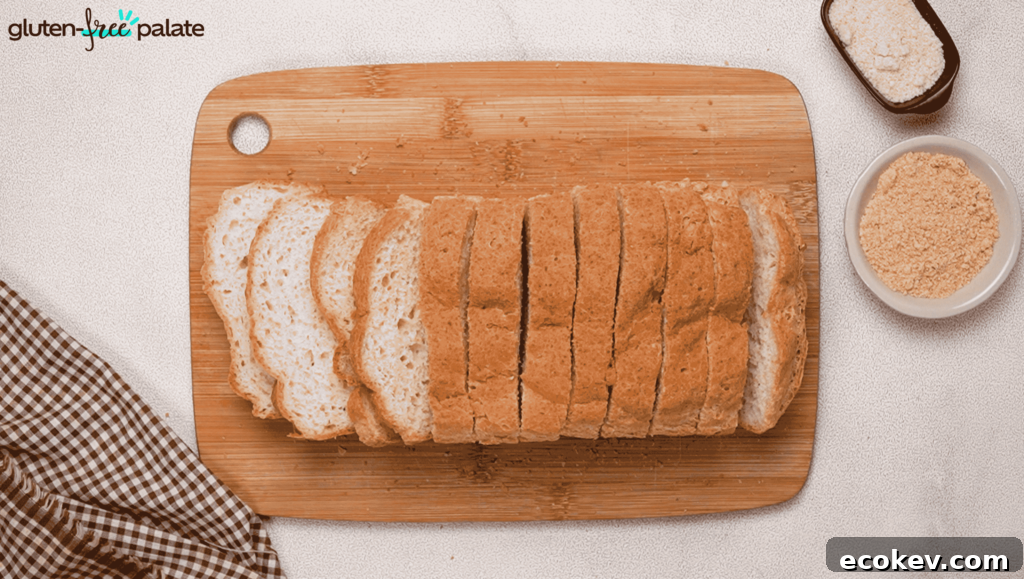
- Cool completely. Cool on a wire rack and slice only when fully cooled.
Doneness notes
Time is the primary guide. The loaf should feel set and the top should be firm. An instant-read thermometer is useful as a secondary check. The crumb continues to firm as the loaf cools, so allow full cooling before slicing.
Storage and freezing
Store the whole loaf tightly wrapped or in a sealed container for the softest texture; it’s best within 2–3 days. For longer storage, slice the loaf, separate slices with parchment, and freeze. Toast or reheat slices from frozen for best texture. Baking at home is also cost-effective compared to store-bought certified gluten-free loaves.
Gluten-Free Bread in a Bread Machine
Use a bread machine with a gluten-free cycle. That cycle typically mixes once and avoids multiple kneading phases that can overwork gluten-free batter. Add wet ingredients to the pan first, pile the dry ingredients on top, and make a well in the dry mix to hold the yeast away from the liquids. Place the yeast in the well just before starting.
- Add warm water, oil, egg whites (or substitute), and vinegar to the machine pan.
- Whisk dry ingredients (except yeast) and add on top of the wet ingredients as a mound.
- Make a small well in the dry ingredients and add the yeast into it.
- Select the gluten-free setting and start. If your machine asks for loaf size, choose 1.5 lb.
Egg-Free Option
Replace 3 egg whites with 2 tbsp chia seed mixed with 7 tbsp water. Let sit 5 minutes, stir, then add. The egg-free loaf needs about 70 minutes in the oven; tent with foil if the top browns too quickly. This recipe is already dairy-free, so that swap makes it vegan-friendly in the oven.
Dairy-Free Gluten-Free Bread
The recipe is dairy-free as written. Substituting milk or butter shifts the texture toward a quick bread; for the softest sandwich texture stick with water for proofing and oil in the batter.
Gum-Free Gluten-Free Bread
Xanthan gum offers the most consistent structure. If you need to avoid gums, psyllium husk powder can sometimes substitute but it isn’t a direct 1:1 replacement and results vary by brand. If you try psyllium, measure carefully and expect to adjust hydration.
High-altitude adjustments
Above 3,000 feet the loaf may rise faster; watch the pan and move it into the oven as soon as the batter reaches just above the rim. Above 5,000 feet some bakers reduce yeast by about ¼ teaspoon to slow the rise and prevent collapse.
Tips for Making Gluten-Free Sandwich Bread
- Don’t change ingredients unless a substitution is listed as tested.
- Use room-temperature ingredients for best results.
- Read the full recipe and prepare ingredients before you start.
- Use reliable yeast and check labels for certified gluten-free when necessary.
- If the loaf sinks, it likely overproofed—bake as soon as the batter sits just above the pan.
- Keep proofing water between 95 and 110°F.
- Line the pan with parchment and lightly oil for easy removal.
- Pan size affects shape and bake time; adjust accordingly.
Troubleshooting Gluten-Free Bread
| Problem | Cause and quick fix | Prevention next time |
|---|---|---|
| Dense loaf | Too much flour, weak yeast, or wrong bread machine cycle. Check yeast foam and water temp. | Spoon and level flour, use gluten-free cycle, bake only after proper rise. |
| Collapsed center | Over-proofed dough. | Put pan in oven as soon as dough reaches just above rim. |
| Gummy middle | Underbaked or sliced too soon. | Bake full time and cool completely before slicing. |
| Loaf won’t rise | Inactive yeast or incorrect water temp. | Proof yeast and keep water 95–110°F. |
| Top overbrowns | Oven runs hot or loaf too close to heating element. | Use middle rack and tent with foil halfway through bake. |
| Dry, crumbly slices | Stored sliced at room temp or wrong flour blend. | Store whole in a sealed container; freeze slices for longer storage. |
When asking for help, include your pan size, flour blend, yeast type, and whether you used the oven or a bread machine. Those details make troubleshooting much faster.
Simple and Easy Gluten-Free Bread Recipe
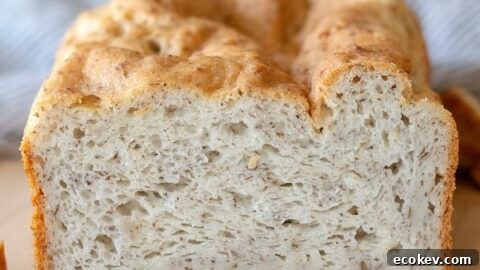
Whip up this simple and easy-to-make homemade gluten-free bread. It is a straightforward, no-fuss recipe with tips and information for success.
15 minutes
1 hour 5 minutes
1 hour 15 minutes
2 hours 35 minutes
Ingredients
For the yeast proof:
- 1 ¼ cup (10 oz.) water between 95°F-110°F
- 2 tablespoons (25g.) sugar (or honey)
- 2 ¼ teaspoons dry active yeast (one 7g packet)
For the bread:
- 1 cup (145g.) white rice flour
- ¾ cup (85g.) tapioca starch
- ¾ cup (92g.) potato starch (or arrowroot)
- ½ cup (60g.) millet flour (or almond flour)
- ¼ cup (25g.) ground flaxseed (flaxseed meal)
- 2 ½ teaspoons (9g.) xanthan gum
- 1 teaspoon (5g.) baking powder
- 1 teaspoon (6g.) salt
- ¼ cup (2 oz.) neutral oil (avocado, canola, or similar)
- 3 egg whites (75g.) or egg-free substitute
- 1 teaspoon (6g.) apple cider vinegar
Instructions
- Line an 8.5 x 4.5 inch loaf pan with parchment and lightly oil; set aside.
- Add sugar and yeast to warm water (95–110°F). Stir and let proof 5–10 minutes until foamy.
- In the mixer bowl combine flours, flaxseed meal, xanthan gum, baking powder, and salt on low until blended.
- With the mixer running, add oil, egg whites (or egg-free substitute), vinegar, and the proofed yeast.
- Mix on medium for 2 minutes; batter will be thick and sticky.
- Scrape batter into prepared pan, pressing into corners and smoothing the top with wet fingers if needed.
- Cover with lightly oiled plastic wrap and let rise in a warm place until batter sits just above the pan rim, about 45–60 minutes.
- When the batter is near the top of the pan, preheat oven to 350°F.
- Remove wrap and bake 60–65 minutes, tenting with foil halfway if the top browns too quickly.
- Cool completely on a wire rack before slicing.
- Store whole for 2–3 days or slice and freeze for longer storage.
Notes
- Read all tips and tricks before starting. If using a bread machine, follow the bread machine instructions above.
- Use active dry yeast or quick yeast. Instant yeast is okay but doesn’t need proofing; ensure the loaf goes into the oven as soon as it reaches the top of the pan.
- For bread machine: add wet ingredients to the pan, then dry ingredients (except yeast). Make a small well in the dry mix and add the yeast to it. Select the gluten-free cycle.
- Keep proofing water between 95–110°F (warm to the touch, not hot).
- Line the pan with parchment and spray with oil for easy removal. Pan size affects shape and bake time.
- Flour blend option: Bob’s Red Mill 1-to-1 blend can replace rice, tapioca, and potato starch when used with millet or almond flour and flaxseed meal as listed above.
- Egg-free option: 2 tbsp chia + 7 tbsp water (let sit 5 minutes) in place of 3 egg whites; bake about 70 minutes and tent with foil halfway through.
- Gum-free: psyllium husk powder can sometimes replace xanthan but results vary; test carefully.
Nutrition Information:
Yield:
12
Serving Size:
1 slice
Amount Per Serving:
Calories: 26Total Fat: 0gSaturated Fat: 0gTrans Fat: 0gUnsaturated Fat: 0gCholesterol: 0mgSodium: 14mgCarbohydrates: 5gFiber: 0gSugar: 0gProtein: 2g
This nutrition info is based on the exact ingredients and brands used at the time and may not be 100% accurate. Check ingredient labels if you need precise values.
A Quick Note Before You Bake
If this recipe works for you, please leave a rating and note which flour blend and method you used (oven or bread machine). That feedback helps other bakers and improves the recipe. If you need help, comment with those details and I’ll help troubleshoot.
More Gluten-Free Bread Recipes
Once you’re comfortable with this loaf, try other gluten-free breads such as yeast-free loaves, sourdough, cinnamon raisin, rye-style sandwich bread, Hawaiian rolls, bagels, hamburger buns, baguettes, artisan loaves, brioche, vegan versions, and low-carb options. Use leftover slices for homemade bread crumbs.
Frequently Asked Questions
Why is my gluten-free bread dense or gummy?
Common causes: too much flour, weak yeast, underbaking, or slicing too soon. Spoon and level flour, proof yeast in water between 95–110°F, bake the full time, and cool fully before slicing. Bread machine users should use the gluten-free cycle.
How long does homemade gluten-free bread stay fresh?
Store a whole loaf tightly wrapped at room temperature for 2–3 days. For longer storage slice, separate with parchment, and freeze. Toast or reheat slices for best texture.
Can I make this gluten-free bread vegan?
Yes. Replace 3 egg whites with 2 tbsp chia + 7 tbsp water, let rest 5 minutes, then add. Expect a 70-minute bake time and tent with foil halfway through.
Can I bake this in a bread machine?
Yes. Use a gluten-free cycle and 1.5 lb loaf setting if available. Add wet ingredients first, pile dry ingredients on top, make a well for the yeast, and add yeast last. See the bread machine section above for full steps.
What’s the best flour blend for gluten-free bread?
I use a homemade blend but the recipe also works with Bob’s Red Mill 1-to-1 paired with almond or millet flour and flaxseed meal. Avoid single-ingredient flours alone for yeast loaves.
Why did my loaf collapse in the middle?
Collapse usually means over-proofing. Start baking as soon as the batter sits just above the rim of the pan.
Can I use this recipe to make rolls?
The batter is too loose for traditional shaped rolls, but you can portion it into a muffin tin for pull-apart style rolls and reduce bake time to 25–30 minutes. For shaped dinner rolls, use a dedicated roll recipe.
What pan size should I use?
The recipe was developed in an 8.5 x 4.5 inch metal loaf pan. Different sizes or glass pans will change rise and bake time; monitor closely.
Can I double this bread recipe?
Yes—bake in two separate pans for even results. Mixing two separate batches is preferable if your mixer bowl is small to keep hydration and mixing consistent.
DID YOU MAKE THIS RECIPE?
Tag @glutenfreepalate on Instagram and hashtag it #glutenfreepalatebaker so we can see all the deliciousness!