
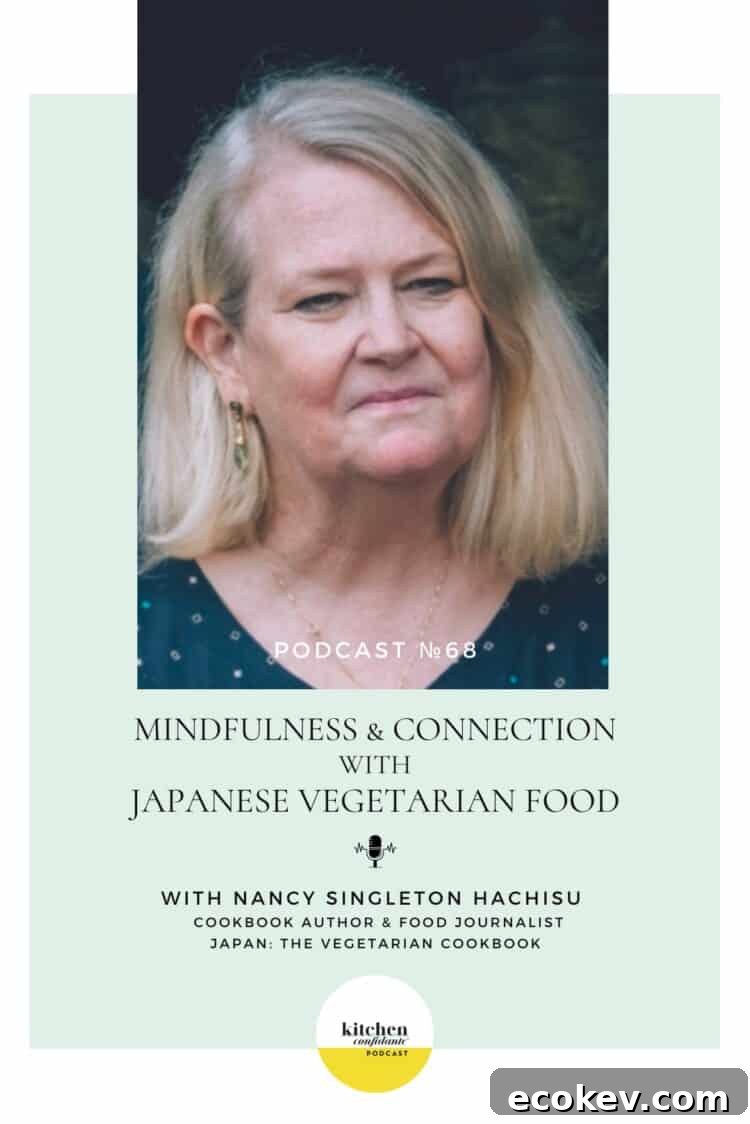
Japan the Vegetarian Cookbook — with Nancy Singleton Hachisu
On a recent episode of the podcast I spoke with Nancy Singleton Hachisu. A California native and Stanford graduate, Nancy moved to rural Saitama, Japan, in 1988 to live with her husband, a Japanese farmer. She is a James Beard Award–winning food writer, the author of four cookbooks, and a frequent contributor to Japanese print and television media. Many viewers may recognize her from Netflix’s Salt Fat Acid Heat.
Nancy’s newest book, Japan the Vegetarian Cookbook, follows her globally acclaimed Japan The Cookbook and highlights the variety and refinement of Japanese vegetarian cuisine. The book showcases seasonal produce, traditional techniques, and recipes adapted from authentic sources—with a contemporary sensibility.
In our conversation we covered her life in Japan, the value of cooking seasonally, and the ways to honor an ingredient’s history and energy. Below are some of the episode’s key moments and takeaways.
How did you get interested in Japanese cooking?
Nancy explains that after college she spent about eight years working in restaurants and became fascinated with sushi. The intimacy of the sushi bar and conversations with the master inspired her to study Japanese in graduate school and to live in Japan as an exchange student. That year turned into a lifetime—she’s now lived in Japan for decades.
She found calm and connection in Japanese culture, particularly in the contemplative aspects of Zen Buddhist cooking. For Nancy, cooking is a way to understand life; the spiritual approach to vegetables and mindful preparation felt inevitable and deeply satisfying.
She describes the energy that comes from handling fresh produce: handpicking vegetables gives a cook a direct sense of what each ingredient needs. That interaction guides decisions in the kitchen and helps vegetables reach their best expression. While many people shop at supermarkets year-round, Nancy recommends buying from local farms or farmer’s markets when possible. Regularly sourcing this way builds an awareness of seasonality and fosters a closer relationship with the food you cook.
Practical benefits follow: seasonal cooking often yields better flavor and can be more economical.
Tell us more about your book, Japan the Vegetarian Cookbook
Japan the Vegetarian Cookbook differs from many modern cookbooks because Nancy curated recipes rooted in tradition rather than inventing dishes from scratch. She gathered recipes from authentic sources—Buddhist priests, traditional restaurants, and regional cooks—and selected the ones that feel delicious, forward-thinking, and likely to endure into the coming decades.
All recipes in the book are vegetarian or vegan and reflect dishes that appear in traditional contexts—temple cuisine, celebratory menus, and restaurant fare—reinterpreted for contemporary cooks. These are not daily monastic training recipes but recipes adapted for approachable, home-friendly use while remaining faithful to their cultural origins.
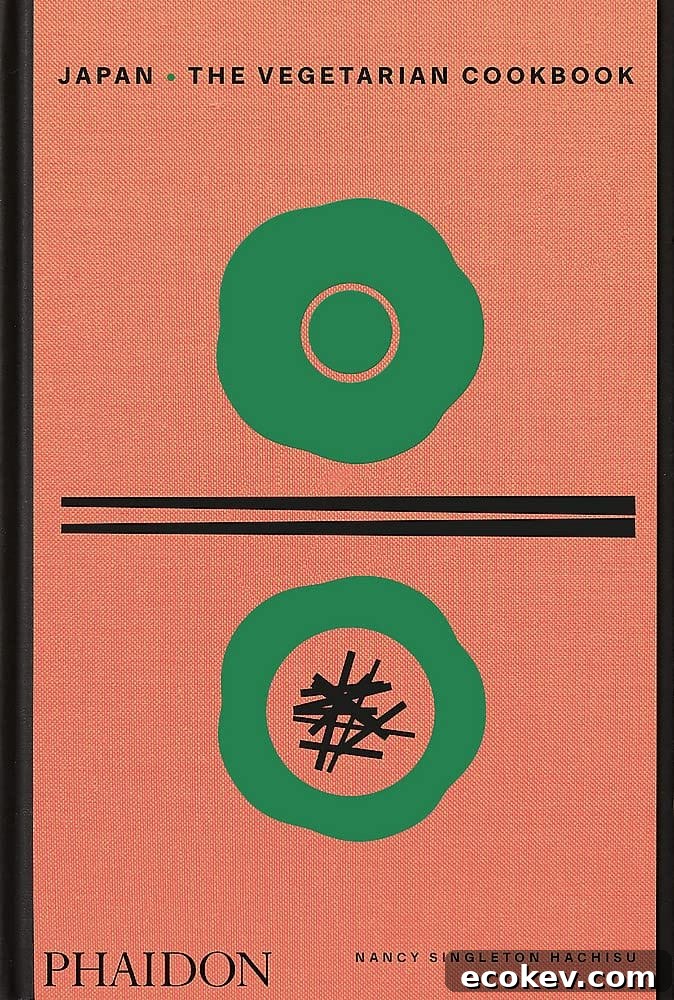
Japan: The Vegetarian Cookbook, by Nancy Singleton Hachisu (Phaidon, 2023).
Learn more
Listen to the full podcast episode to hear the entire conversation. For more about Nancy’s work, visit nancysingletonhachisu.com and follow her on Instagram at @nancyhachisu.
Related Posts
Nancy’s Quick Pickled Napa Cabbage recipe is another great introduction to her approach to vegetable cooking.