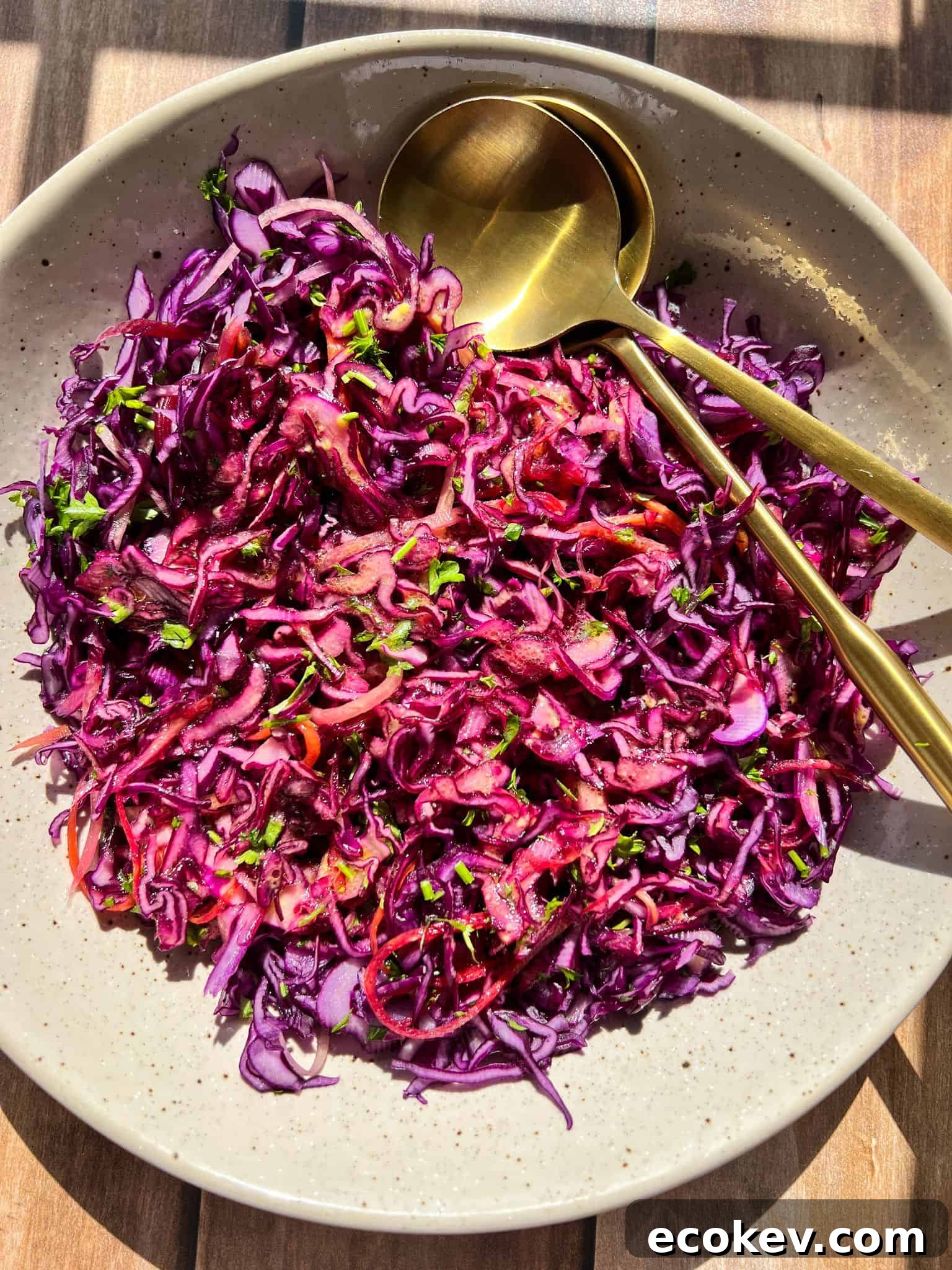
Everyone talks about protein, but fiber deserves attention too. Fiber is often overlooked even though it’s essential for gut health, heart health, and overall wellbeing.
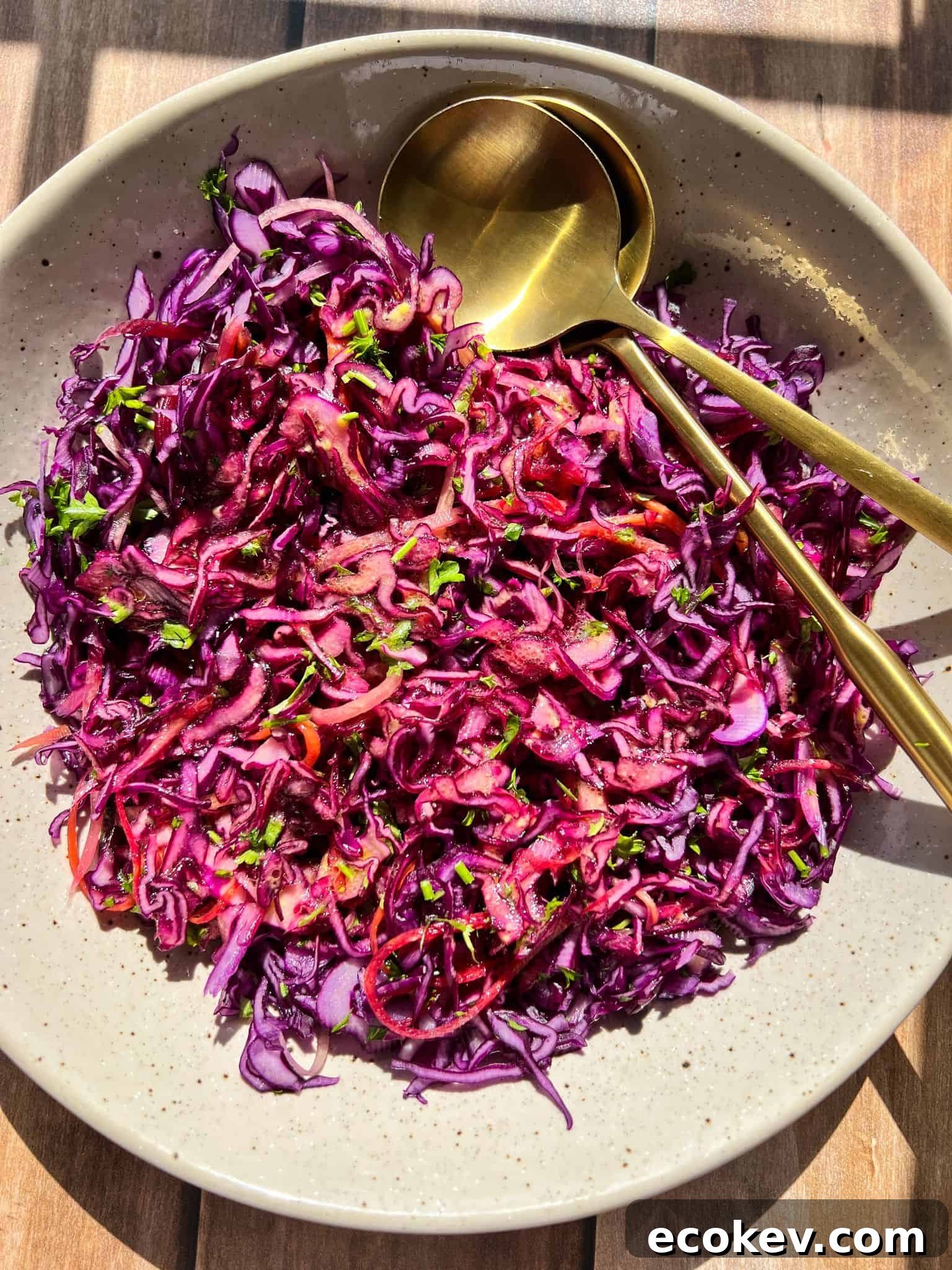
I grew up eating beet salad, lentil soup, bean stew and cabbage rolls — traditional Balkan dishes that naturally feature lots of fiber. Seasonal, local cooking in Balkan homes relied on beans, lentils, chickpeas, root vegetables, cabbage, peppers, and leafy greens, all rich in fiber. Before “high-fiber” became a wellness catchphrase, these kitchens were quietly fueling families with fiber-packed meals. As someone raised on those flavors, I know firsthand how satisfying and nourishing high-fiber food can be.
Why Fiber Matters
Fiber supports many aspects of health. Here’s what it does:
• Gut health: Fiber promotes regular bowel movements and supports digestive function.
• Steady energy: It slows digestion, helping maintain stable blood sugar and avoiding energy crashes.
• Appetite control: High-fiber meals increase fullness so you stay satisfied longer.
• Mood and immunity: Fiber feeds beneficial gut bacteria that affect immunity and even mood.
• Heart health: Fiber helps lower cholesterol and supports cardiovascular wellbeing.
Fiber and Weight Loss
Fiber is a practical, effective tool for sustainable weight management. It doesn’t directly burn fat, but it changes how you feel and eat in ways that support healthy habits:
• Increases satiety: Fiber slows digestion so you stay full and are less likely to snack impulsively.
• Balances blood sugar: A slower release of glucose reduces cravings and spikes.
• Volume without calories: Vegetables, beans and whole grains add bulk to meals without excessive calories, letting you eat satisfying portions.
• Supports gut bacteria: A healthy microbiome aids digestion and metabolism.
• Improves consistency: Feeling full and energized makes it easier to stick to healthy routines.
High Fiber Foods
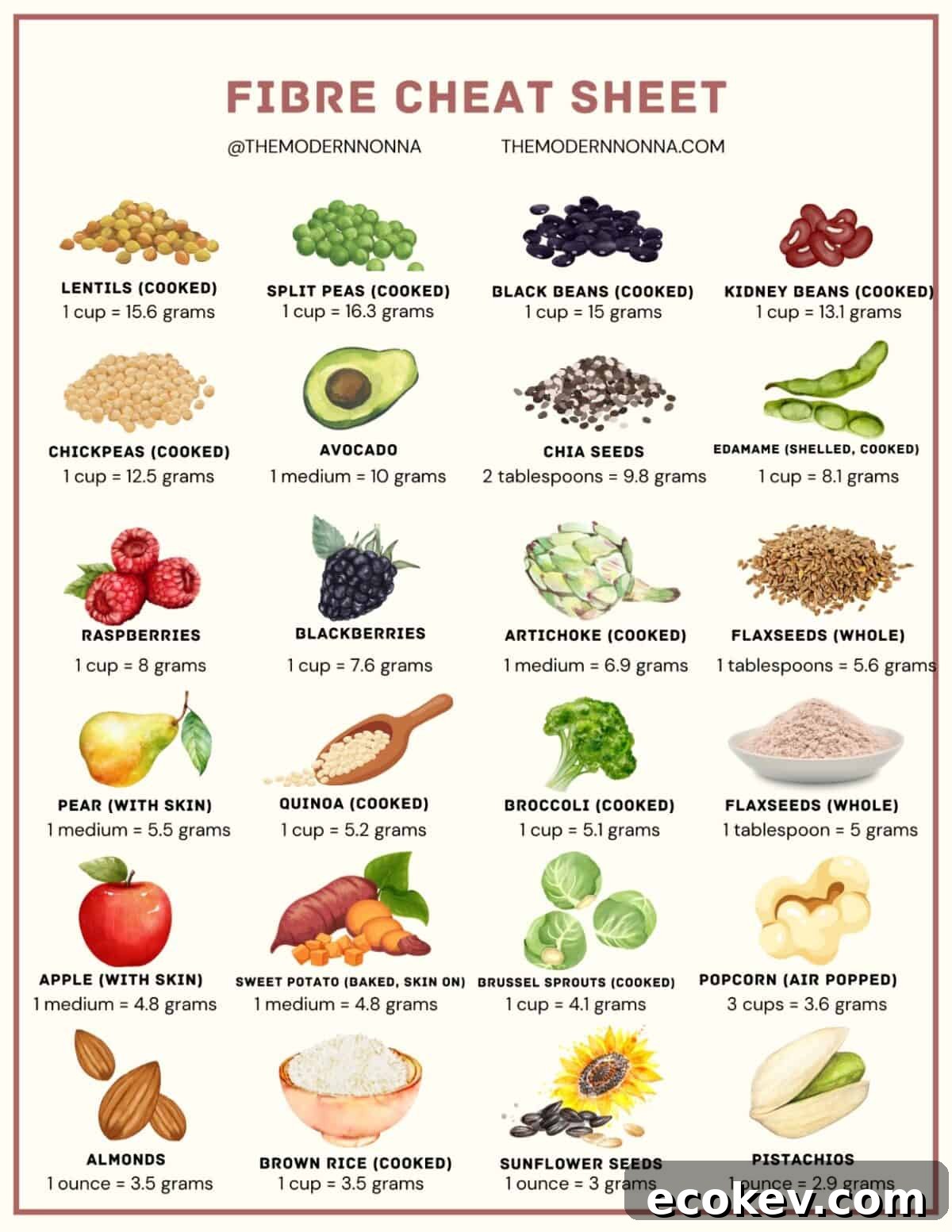
To make increasing fiber simple, use a fiber cheat sheet: legumes, whole grains, seeds, nuts, fruits and vegetables are all excellent sources. Standard daily fiber recommendations from major health organizations generally fall around these ranges:
- Men (19–50): about 38 grams per day
- Men (51 and older): about 30 grams per day
- Women (19–50): about 25 grams per day
- Women (51 and older): about 21 grams per day
A practical rule of thumb is 14 grams of fiber per 1,000 calories consumed.
High-Fiber Recipes to Try
Below are favorite recipes that are naturally high in fiber, flavorful, and easy to incorporate into your weekly menu. They include breakfasts, salads, mains, snacks and even desserts that rely on whole ingredients to boost fiber and satisfaction.
Breakfast Recipes
Steel Cut Overnight Oatmeal
View Recipe

Protein Chia Pudding
View Recipe

Mango Chia Pudding
View Recipe

Chia Seed Breakfast Pudding
View Recipe

Grated Egg Avocado Toast
View Recipe
Salads
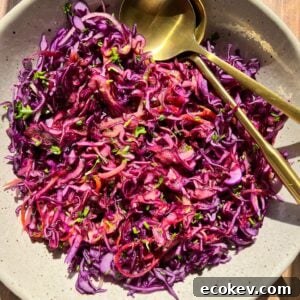
Red Cabbage Slaw
View Recipe
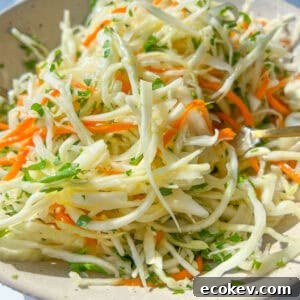
Healthy Coleslaw
View Recipe
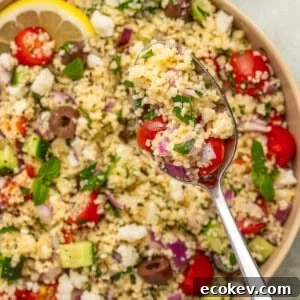
Greek Couscous Salad
View Recipe
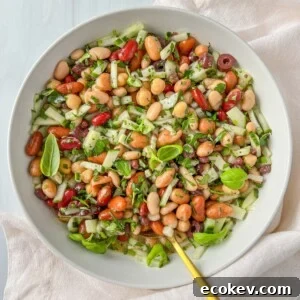
Mixed Bean Salad
View Recipe
Mains
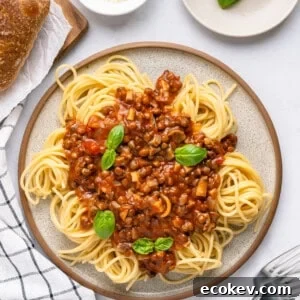
Lentil Bolognese
View Recipe
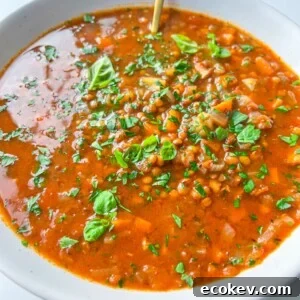
The Best Lentil Soup
View Recipe

Sweet Potato Bowl
View Recipe

Creamy Chickpea Pasta
View Recipe
Snacks and Sides
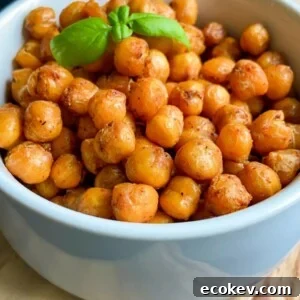
Roasted Chickpeas
View Recipe

Roasted Delicata Squash
View Recipe

Baked Cauliflower Dish
View Recipe

Easy Hummus
View Recipe
Desserts

Invisible Pear Cake
View Recipe
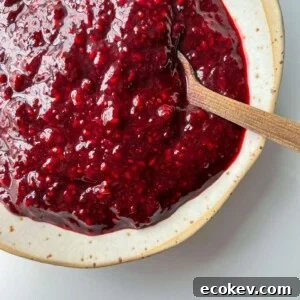
Chia Jam
View Recipe

Avocado Chocolate Mousse
View Recipe

Invisible Apple Cake
View Recipe