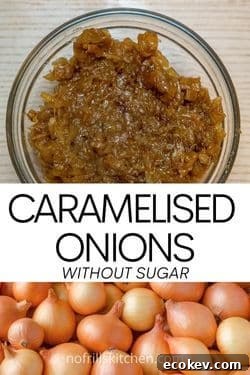
I’ve never used shortcuts like balsamic vinegar or added sugar when caramelising onions. Those additions may darken the colour or speed things up, but true caramelised onions come from patience—using only the onions’ natural sugars for deep, sweet flavour.
Onions contain plenty of natural sugars, and caramelising them is similar to the chemical process used to make caramel candies. By slowly drawing out and transforming those sugars, the onions become soft, sweet and deeply amber without needing extra sweeteners or vinegars.
These caramelised onions are versatile: use them in French onion soup, in an onion dip, as the base for a French onion risotto, inside a goat’s cheese quiche, or as a topping for many dishes. The process takes time, but the results are worth it.
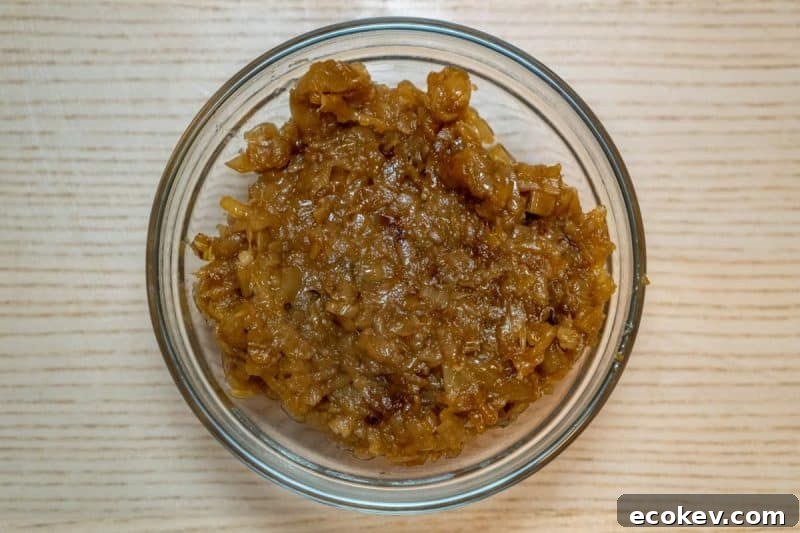
How to Caramelise Onions Without Balsamic Vinegar or Sugar
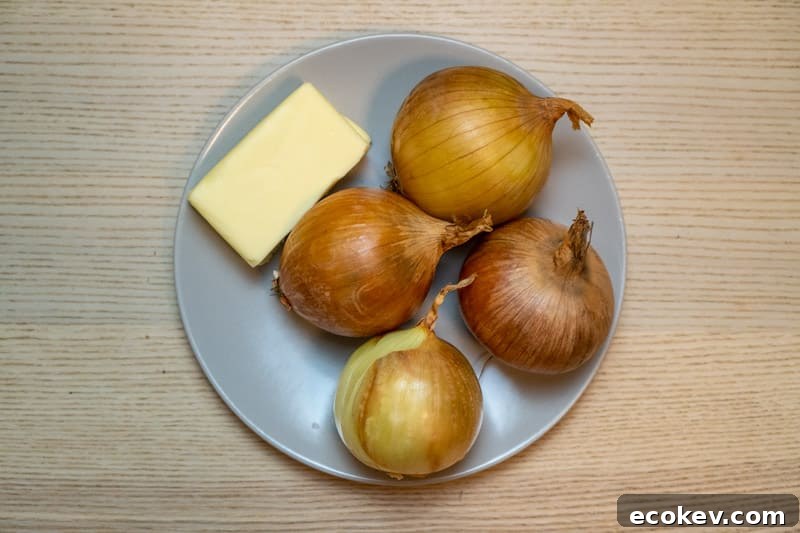
This method uses just three core ingredients: onions, butter and a pinch of salt. No shortcuts, no extra sugar, no balsamic—only time and technique.
From start to finish expect about an hour. It’s an easy technique but it requires patience: true caramelisation develops slowly and won’t be rushed without compromising texture and flavour.
Begin with a large, heavy-bottomed saucepan. Stainless steel or unfinished cast iron work best; nonstick pans are possible but may increase cooking time. A lid is helpful to trap moisture in the early stage.
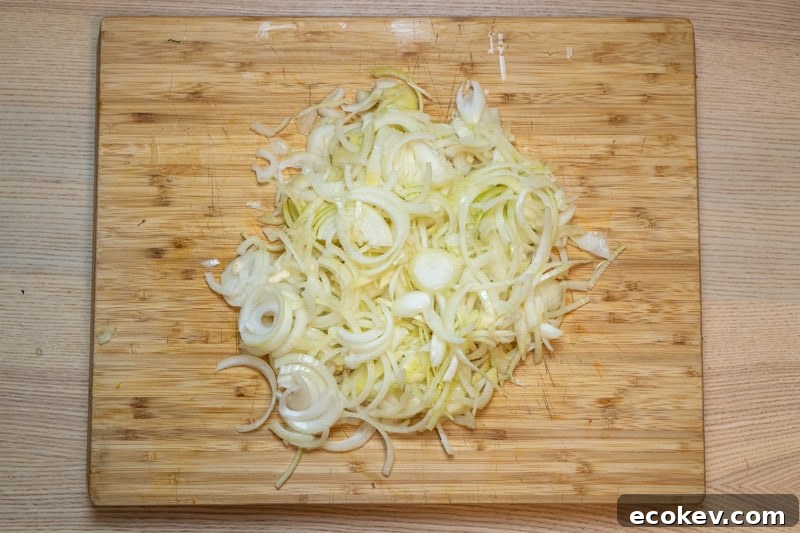
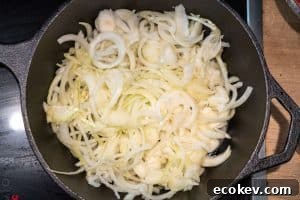
Melt butter in the pan over medium-low heat. Olive oil or a mixture of butter and oil can be used, but butter adds a rich flavour many prefer. Once the butter is melted and foamy, add the thinly sliced onions and a generous pinch of salt.
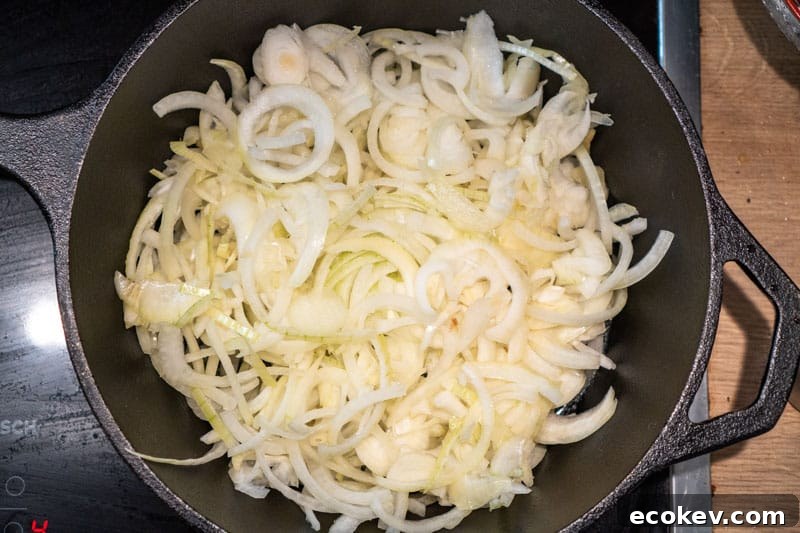
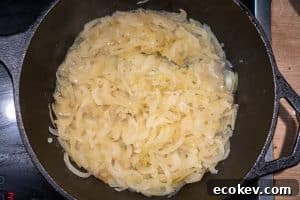
Cover the pan and cook over medium-low heat, stirring occasionally to prevent hot spots, until the onions release their moisture, soften and reduce in volume by roughly half. This usually takes 20–30 minutes.
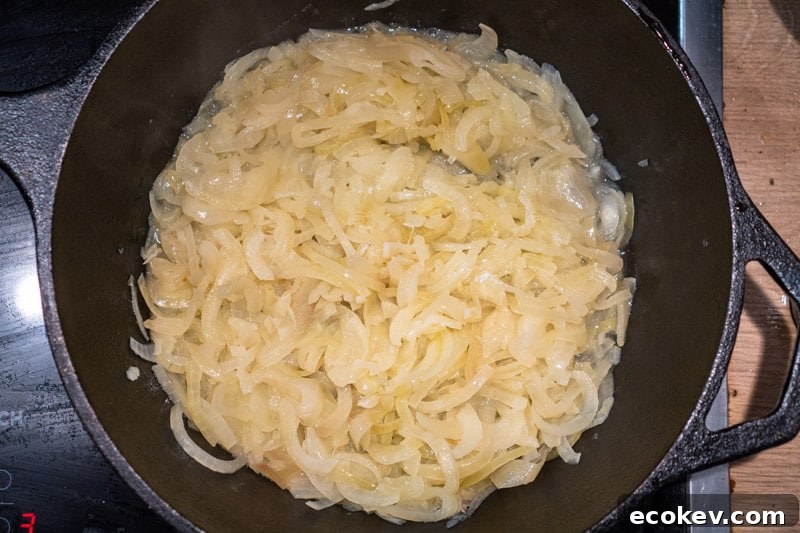
Remove the lid. At this stage the onions will be soft and pale, with the first signs of caramelisation along edges. Continue cooking uncovered, stirring frequently. The aim is uniform caramelisation—not uneven browning.
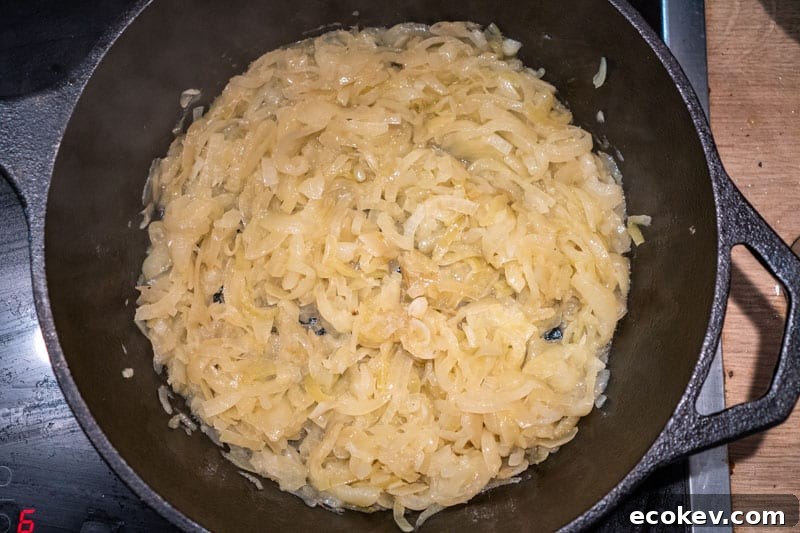
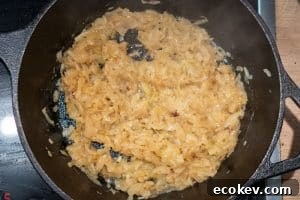
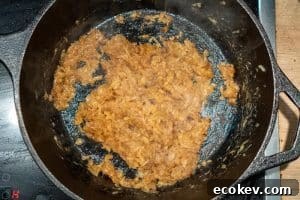
Caramelisation produces an even, consistent deepening of colour across all the onion slices. If you notice patchy browning or fond collecting on the pan, add a few splashes of water to stop Maillard browning and prevent burning—this does not speed up caramelisation but protects the onions while they develop evenly.
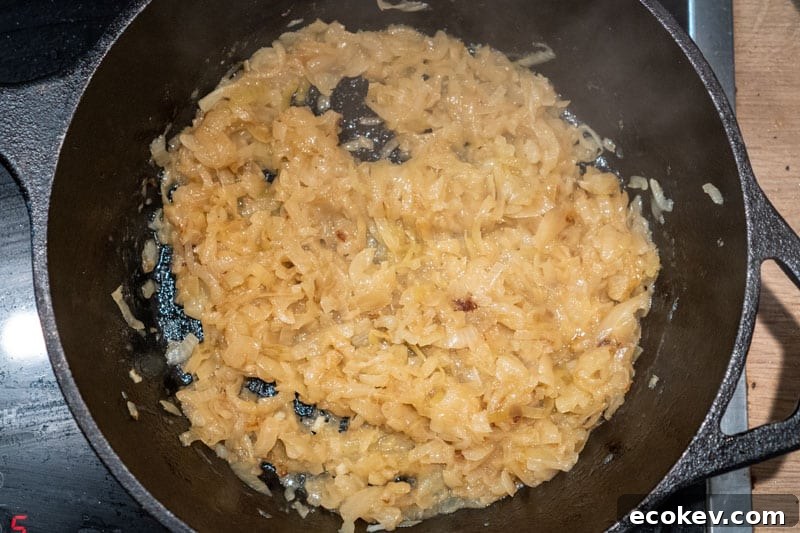
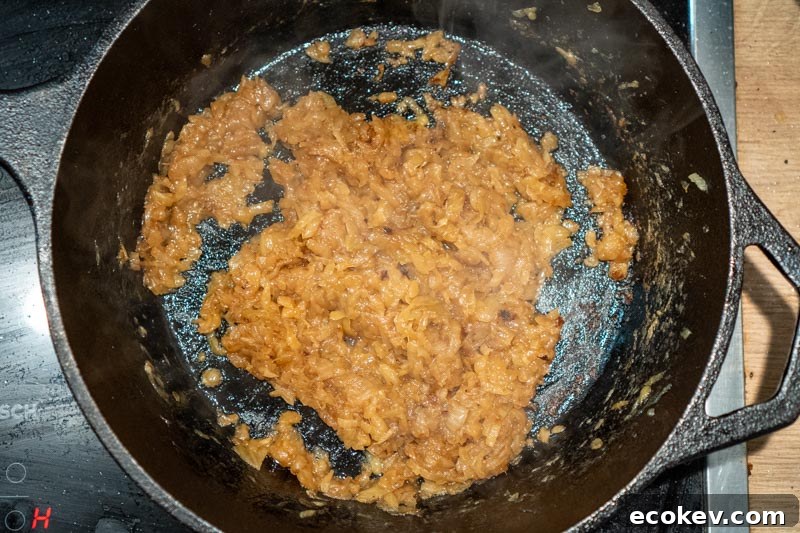
The colour will progress gradually: pale honey, medium gold, deep gold, then amber. Expect at least another 20–30 minutes uncovered for full caramelisation after the initial covered phase. For a deeply dark amber finish, cook a bit longer to concentrate flavour.
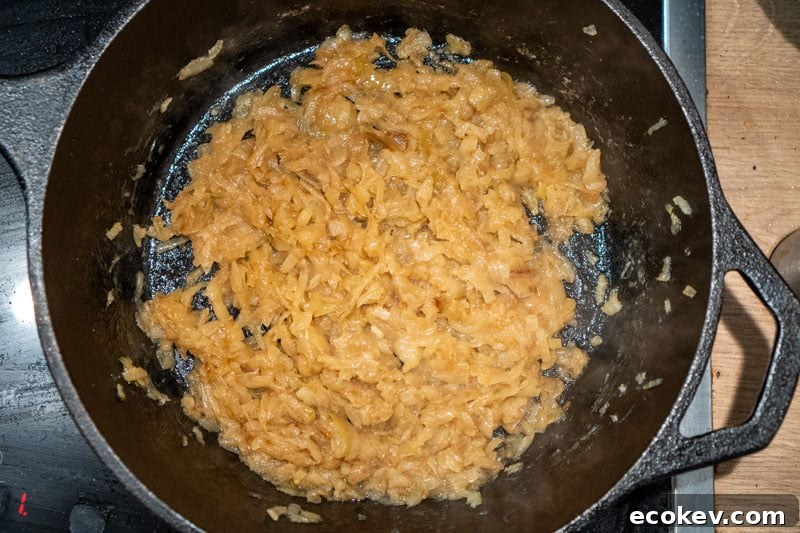
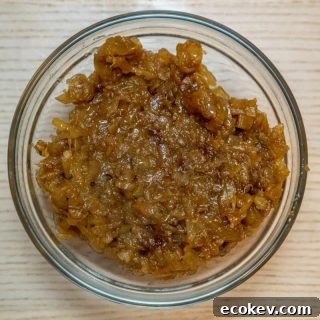
When the onions reach your desired colour and flavour, remove them from the heat to stop further caramelisation. Use immediately or cool and store for later use.
Caramelised Onions Without Balsamic Vinegar or Sugar
Ingredients
- 25 g (2 tbsp) unsalted butter
- 4 large yellow onions sliced thin
- Pinch salt
Instructions
-
In a large, heavy-bottomed saucepan with a lid (stainless steel or unfinished cast iron preferred), melt the butter over medium-low heat. Once foamy, add the sliced onions and a generous pinch of salt.

-
Cover and cook, stirring occasionally to prevent browning, until the onions have released their moisture and reduced in size by about half (20–30 minutes).
-
Remove the lid and cook, stirring frequently, until the onions soften completely and take on a uniform brown colour—about 20 more minutes. If any edges start to brown too quickly or fond forms on the pan, add a splash of cold water to prevent burning.
-
Continue cooking, stirring frequently and adding small amounts of water if needed, until the onions reach a dark amber colour—another 10–15 minutes. Remove from heat and serve or store.
Video
Nutrition
Making caramelised onions without balsamic or added sugar is simple, takes time, and delivers rich, sweet results that are well worth the wait.
Have questions or want tips on variations? Leave a comment below.