Whether you’re new to feta or already a fan, this guide will help. Read on for a concise history of one of the world’s oldest cheeses, tips for buying the best feta, and simple ideas for enjoying it at home.

In this Post:
- What is Feta Cheese and Where Does it Come From?
- Shopping for Feta Cheese: Top Tips
- Recipe Inspo: Ways to Use Feta
What is Feta Cheese and Where Does it Come From?
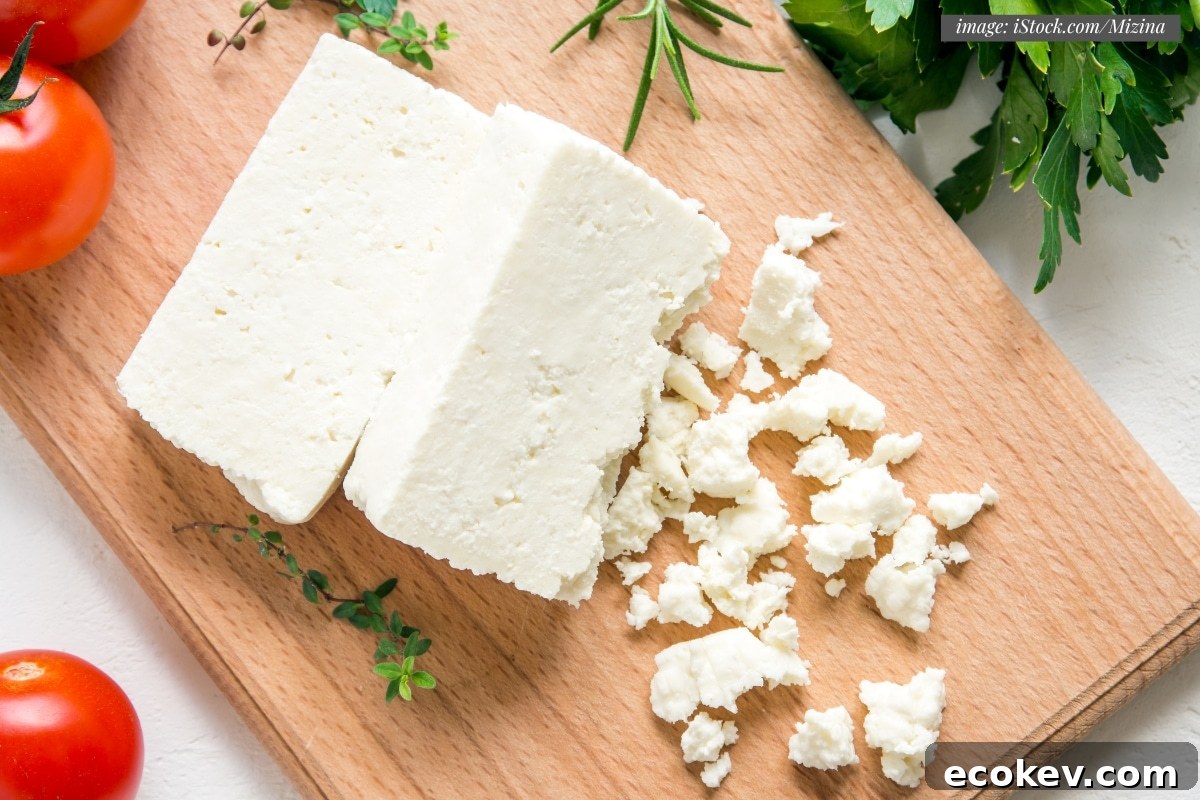
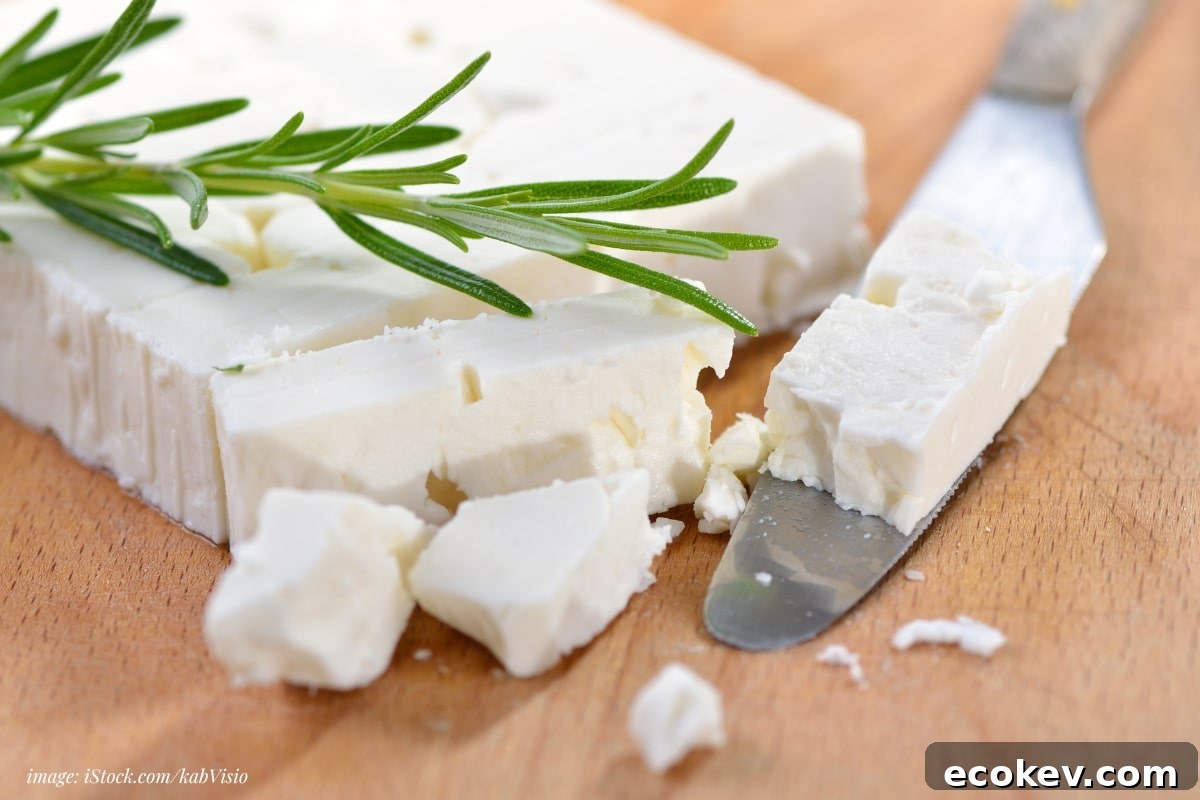
Feta is a white, brined cheese traditionally made from sheep’s milk or a blend of sheep’s and goat’s milk. It’s one of the oldest known cheese styles, with references to feta-style production appearing in ancient texts. Classic feta has a pleasantly salty, tangy flavor and a firm yet creamy texture that crumbles easily.
The character of feta—its taste, aroma, and texture—depends on the milk used, the aging vessel, and how long it ages. Typical aging ranges from roughly two to twelve months. Feta aged in barrels and brine often develops a sharper, more complex taste, while cheese aged in tins or baskets tends to be milder and lighter.

Feta in the European Union: A Protected Greek Product
In 2002 the European Union granted feta Protected Designation of Origin (PDO) status. PDO preserves traditional regional foods and ensures that products sold under a protected name meet defined standards. Within the EU, a cheese labeled “Feta” must follow those production rules.
PDO feta must contain at least 70% sheep’s milk, may include up to 30% goat’s milk, and must be produced in specific Greek regions: Peloponnese, Epirus, Central Greece, Macedonia, Thessaly, Thrace, and the islands of Lesvos and Cephalonia.
Feta Outside the EU
Outside the EU, PDO rules aren’t universally enforced, so you’ll commonly find cheeses labeled “feta” from other countries—particularly in the United States. Some nations have agreements with the EU to honor PDO names; others do not. Historically, disputes over non-Greek “feta” helped prompt the PDO designation.
Because of these differences, cheeses that resemble feta are sometimes sold under other names in places that honor PDO. In markets without those restrictions, “feta” is widely used for a range of white, brined cheeses with similar characteristics.
Common Non-Greek “Feta” Styles
- Bulgarian (Sirene): Made from sheep, cow, goat, or mixed milks. Typically saltier and tangier than Greek variants, with a firmer texture and a bright, slightly lemony flavor.
- French: Often produced from 100% Lacaune sheep’s milk in southwest France. Tends to be milder, creamier, and less salty than traditional Greek feta.
- Israeli: Usually sheep’s milk brined for about a month. Milder and less salty, with a texture that slices well rather than crumbling finely.
- American: Most U.S. feta is made from cow’s milk. It’s commonly milder, drier, and crumblier than many imports.
Shopping for Feta Cheese: Top Tips
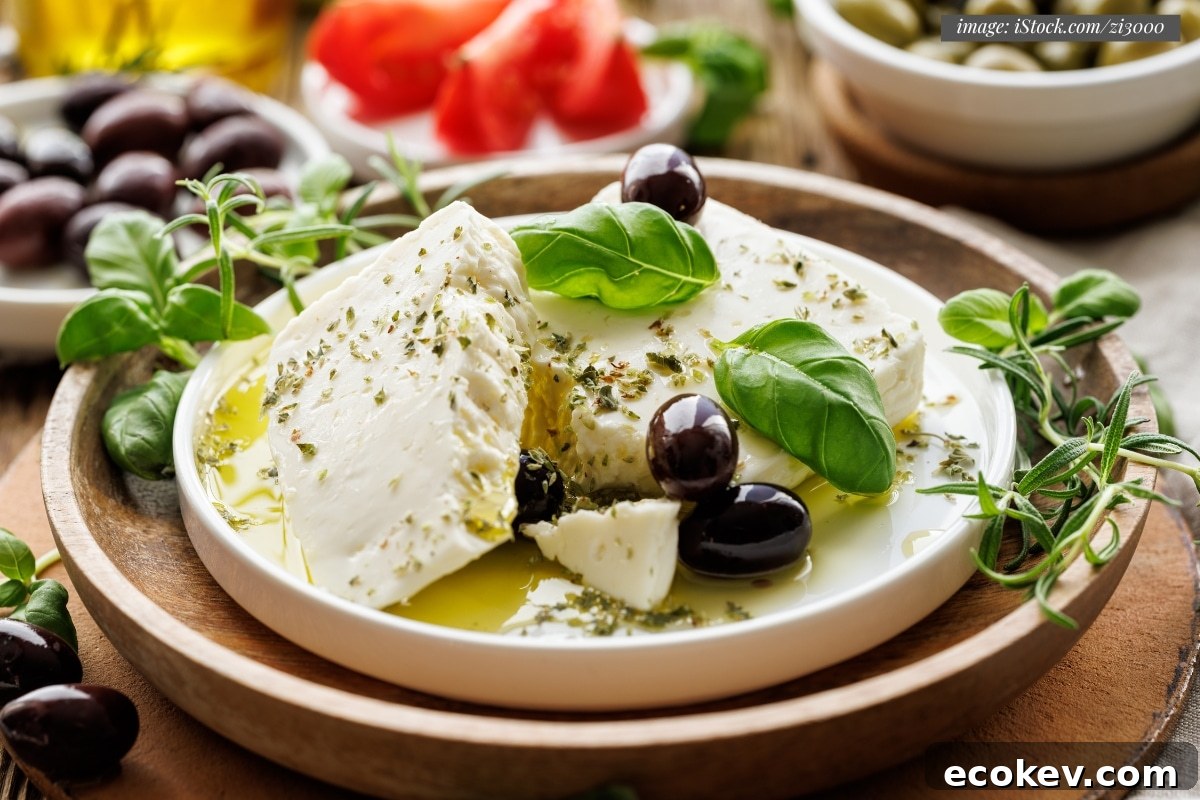
You can find both imported Greek feta and various feta-style cheeses in supermarket specialty cases, international markets, and cheese shops. Follow these tips to choose the best product for your needs.
- Look for the PDO stamp for authentic Greek feta. Greek feta imported into the United States typically carries the red and yellow PDO mark on its packaging. If the cheese is sold from a counter in tubs, ask your cheesemonger to show the original label with the stamp. Imported Greek brands are often more assertive in flavor.
- Buy feta stored in brine. Feta dries out quickly. Choose cheese kept in its brine (a salt-and-water solution) for better texture and flavor. If purchasing from a counter, ask for it to be packaged in brine to transport home.
- Avoid pre-crumbled feta when possible. Pre-crumbled feta can absorb excess moisture and lose texture. A block kept in brine will hold up better—crumble it fresh as you need it. Pre-crumbled feta is convenient, but the block will usually taste and feel superior.
Recipe Inspo: Ways to Use Feta
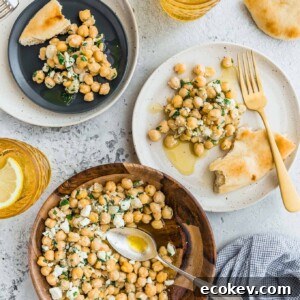
Chickpea Salad with Lemon Vinaigrette and Feta
View Recipe
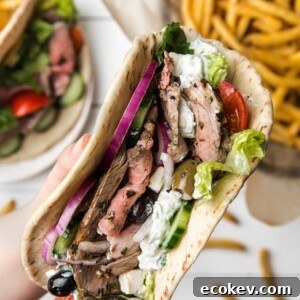
Leftover Lamb Pita Board
View Recipe
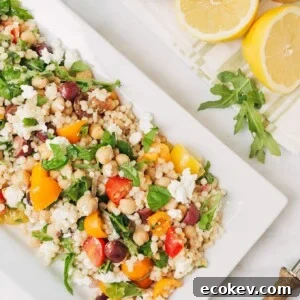
Mediterranean Pearled Couscous Salad
View Recipe
Want more cheesy info? Explore our collection of Cheese Guides.