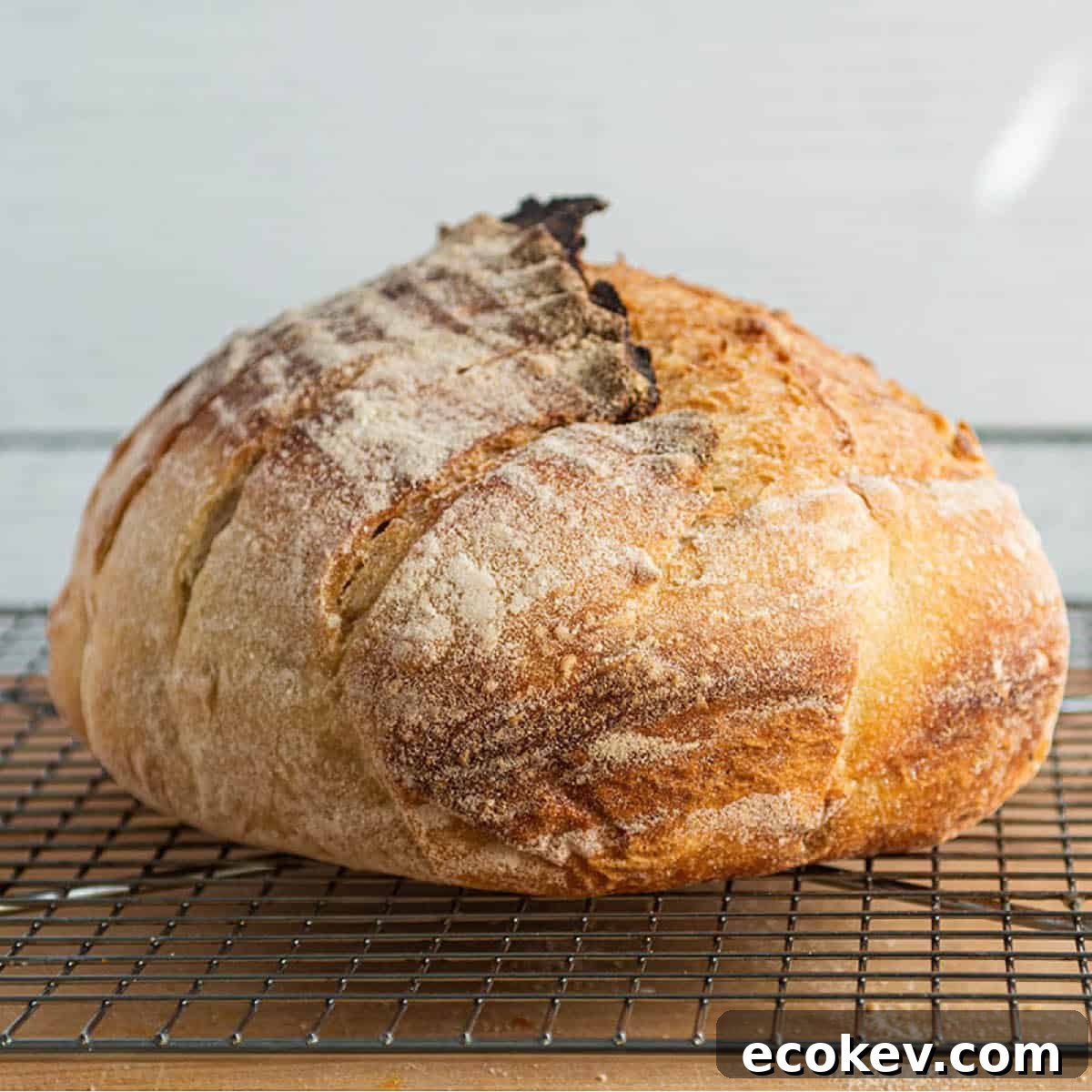
How to store sourdough bread and what are the best ways to keep it fresh? We invest time and care into baking homemade sourdough, so it makes sense to preserve that flavor and texture for as long as possible. Below are eight effective ways to store sourdough and tips to extend its life.
Sourdough Bread
Sourdough baking has become a passion for many home bakers. The process uses a natural sourdough starter—wild yeast and bacteria captured in a mixture of flour and water—to leaven bread. Aside from flour, water, and salt, nothing else is needed, so homemade loaves are free from added sugar, preservatives, and dairy.
The rewards are clear: great aroma, crusty exterior, and complex flavor. The downside is that fresh sourdough, lacking commercial preservatives, can stale or mold faster than store-bought bread. That said, with a few storage strategies you can keep loaves enjoyable for several days or preserve them long term in the freezer.
How Long Will Sourdough Bread Last?
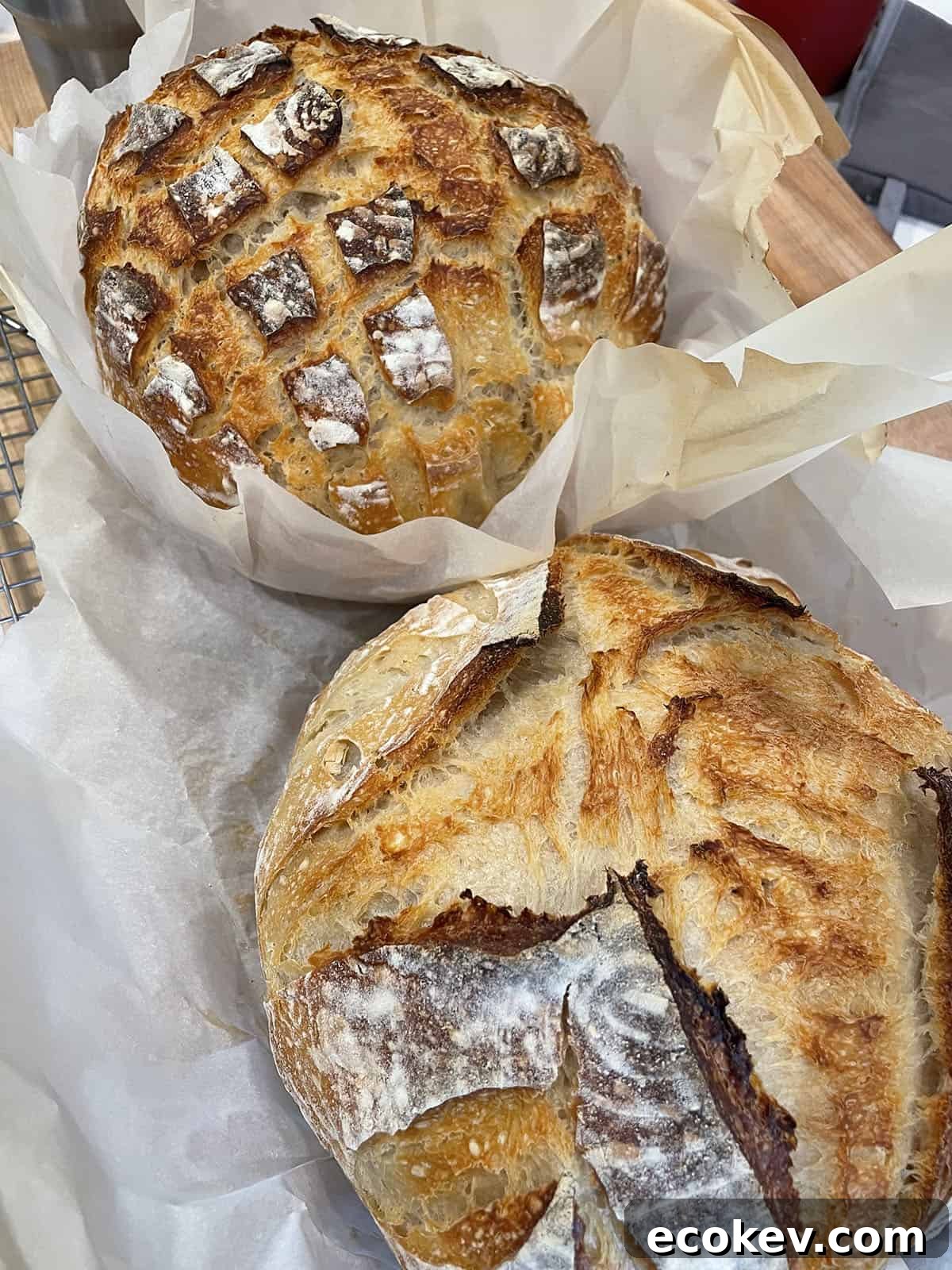
Because homemade sourdough contains no preservatives, it’s more prone to drying out and to mold. Properly stored, a homemade loaf typically stays good for about 4–5 days. Whole loaves last longer than cut ones—once sliced, the crumb begins to dry quickly and should be eaten or frozen within a couple of days. If a loaf starts to stale, it’s still useful: stale bread can be turned into croutons, breadcrumbs, or used in recipes like bread pudding.
General Storage Tips
Keep these simple rules in mind:
- Let the loaf cool completely before storing. Trapping residual heat and moisture leads to sogginess and speeds up mold growth.
- Store in a dry location away from direct sunlight and humidity.
- Keep the loaf whole if possible. Once sliced, reduce air exposure and use or freeze within a couple of days.
8 Ways to Store Sourdough Bread
The aim is to limit air exposure and keep the bread in a relatively dry environment. Here are eight practical options:
- Plastic Bag
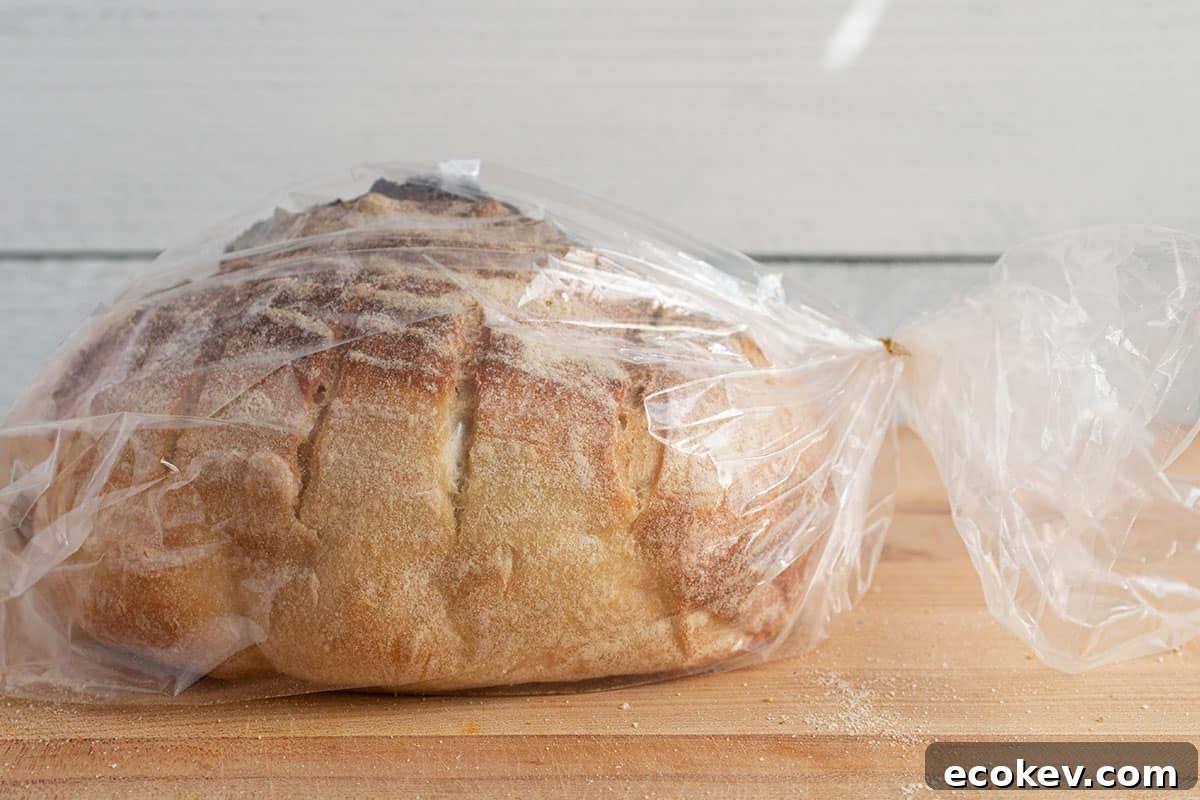
Sealing a completely cooled loaf in a food-safe plastic bag is one of the most effective ways to preserve softness and delay staling. While some prefer to avoid plastic for environmental reasons, these bags can keep a loaf soft for over a week when sealed well.
- Brown Paper Bag
A brown paper bag offers a middle ground between airflow and protection. It looks bakery-style and keeps the crust crisper than plastic, though the crumb may dry a bit faster. It’s a nice option for gifting or short-term storage.
- Linen or Cotton Bread Bag
Cloth bread bags are attractive and breathable. They help maintain a balance between crust crispness and crumb softness. The downside is that cloth allows more air circulation, so bread stored this way will stale sooner than when wrapped in plastic.
- Bread Box
Bread boxes create a stable environment that keeps bread off the countertop and reduces air movement around the loaf. They can be decorative and are useful for short-term storage—several days—if the box is clean and dry.
- Plastic Wrap or Cling Film
Wrapping a cooled loaf tightly in plastic wrap is a quick and effective method to retain moisture and keep the bread fresh for days. Use multiple layers for a good seal.
- Aluminum Foil
Foil is a non-plastic alternative that can be wrapped tightly around a loaf. It helps block air and light, slowing staling and protecting the crumb. It’s a handy option when you want a reliable seal without cling film.
- Dome or Cake Plate
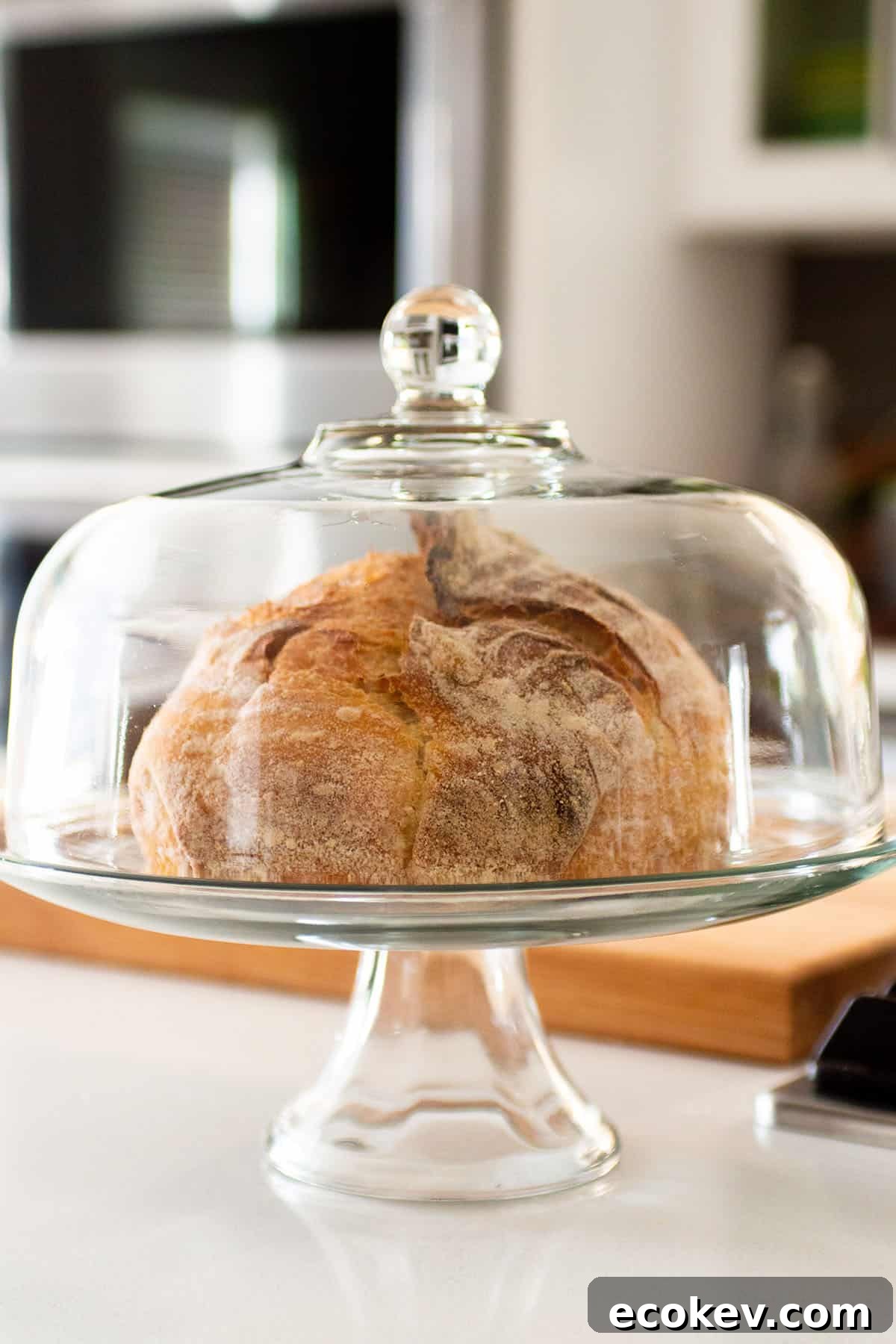
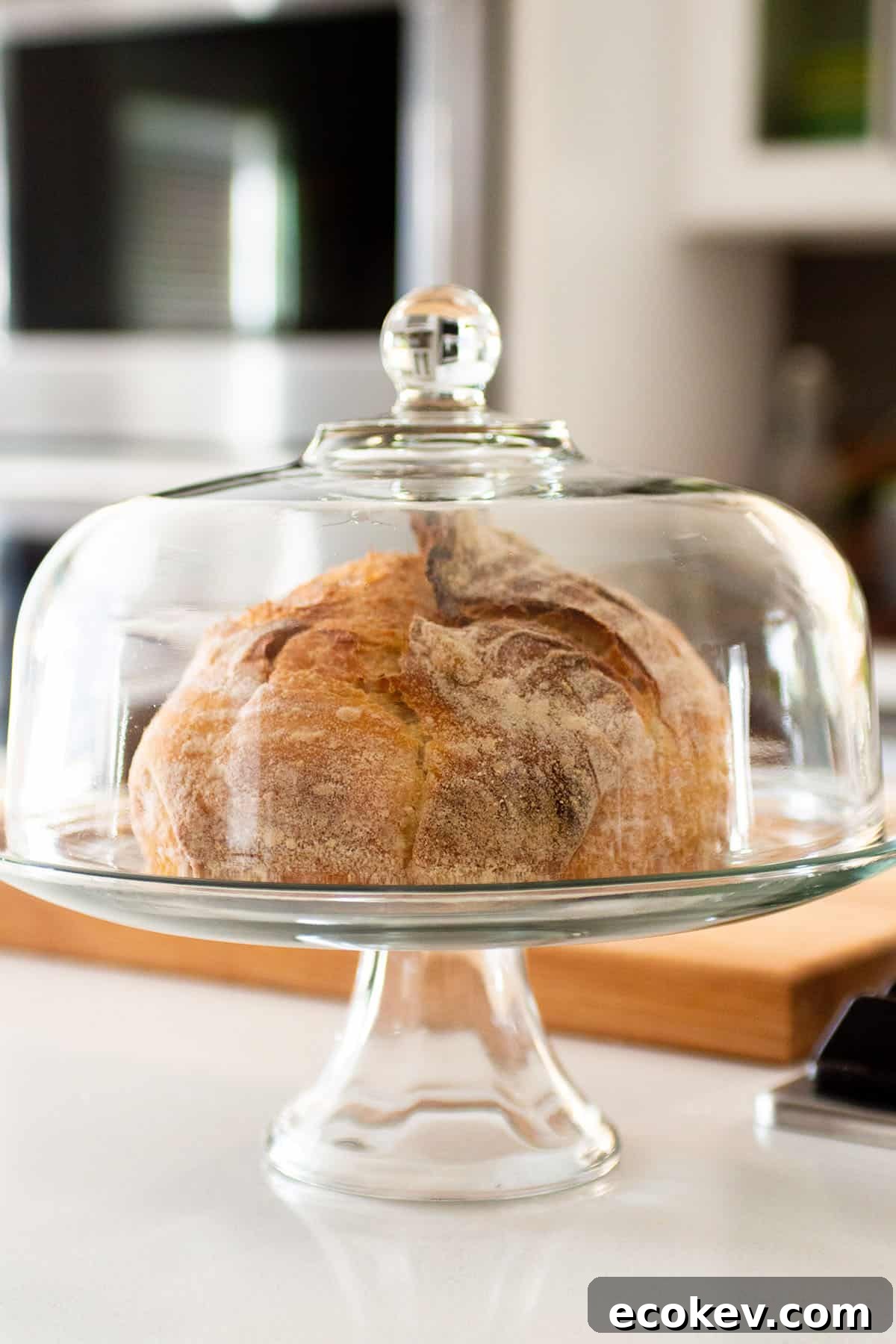
A domed cake plate both looks attractive and helps protect bread from drying air. The dome reduces direct airflow while allowing a bit of breathing space, keeping crust and crumb in good shape for several days. Thrifted domes often offer great value.
- Tea Towel (Cut Side Down)
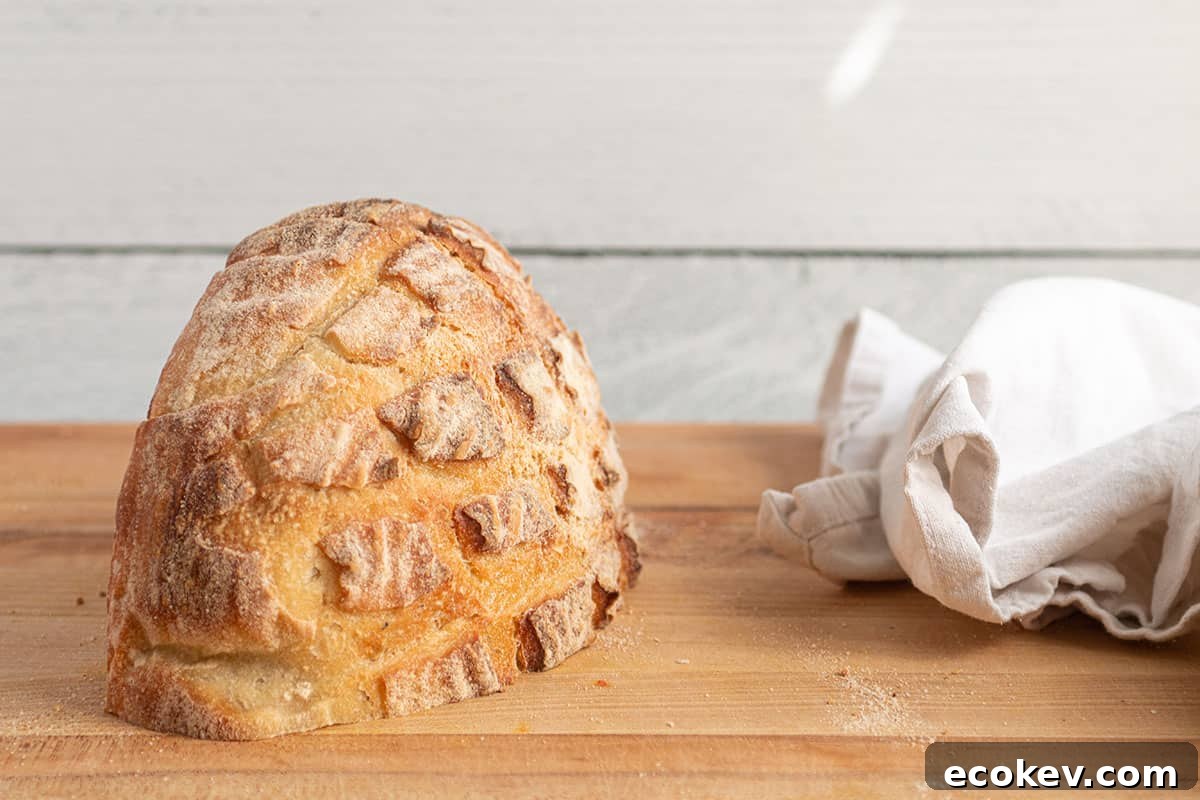
If you plan to eat the bread within a day or two, place the cut loaf face down on a cutting board and drape a clean tea towel over it. This preserves a soft interior while helping the crust stay some crispness. This method is best for short-term use.
Can Sourdough Bread Be Frozen?
Yes—freezing is an excellent option for long-term storage. Make sure the loaf is completely cool before freezing; trapped moisture causes freezer damage and textural changes.
Freeze whole loaves or individual slices. Wrap tightly in plastic freezer wrap, aluminum foil, or place in a freezer-safe bag with as much air removed as possible. For sliced bread, inserting parchment between slices prevents them from sticking and makes it easy to remove just what you need.
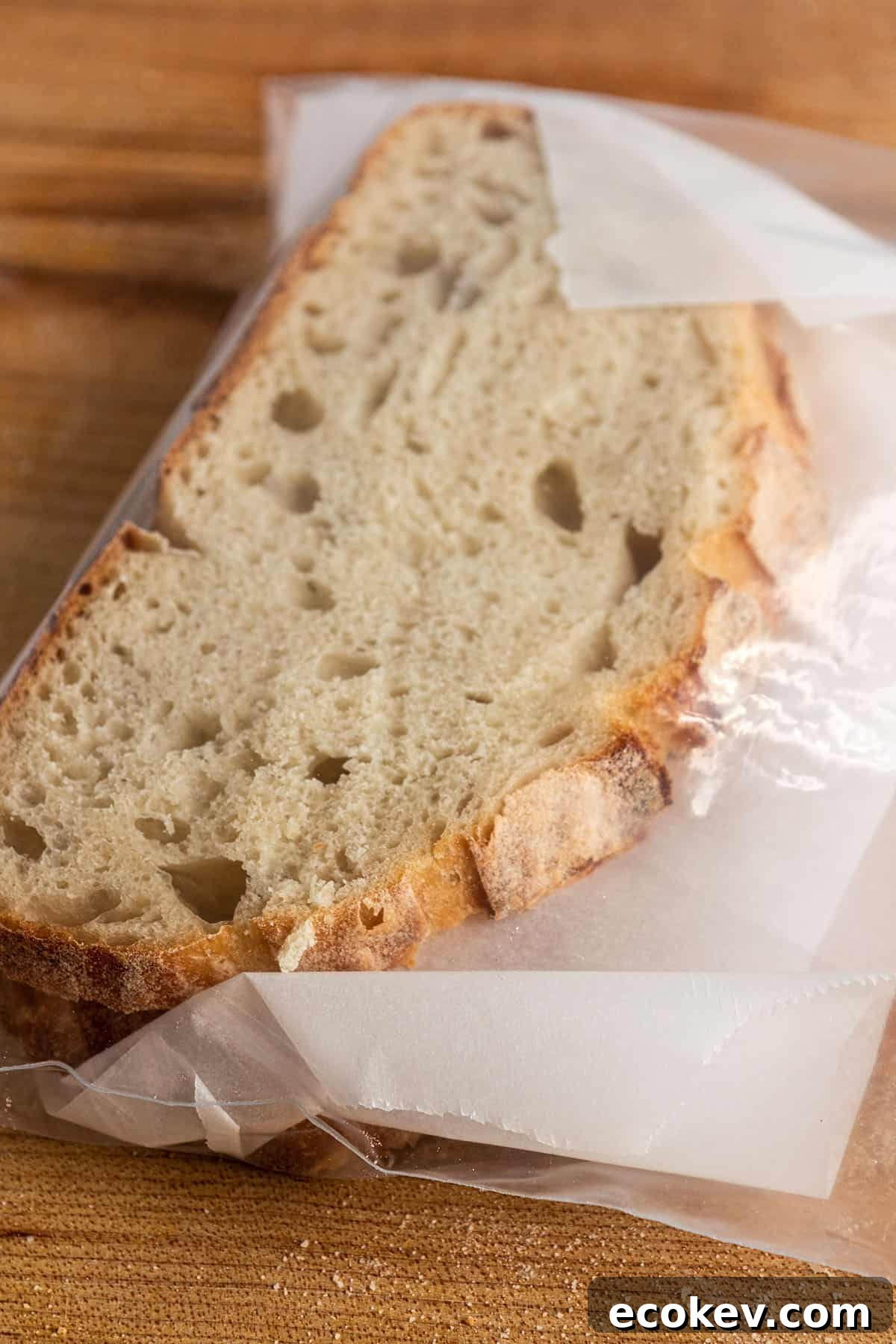
Frozen sourdough will keep well for three months or more. To thaw, remove the wrapped bread from the freezer and let it come to room temperature on the counter. For a refreshed crust, briefly warm slices or the whole loaf in the oven.
Which method works best depends on how quickly you’ll use the bread and your preference for crust texture. For immediate use, a tea towel or bread box is convenient. For maximum softness, plastic bags or tight wrap are most effective. For long-term preservation, freeze after fully cooling.
Have a favorite way to store your sourdough? Share your method and results in the comments.
- Sourdough Croutons
- How to Make A Sourdough Starter
- How to Feed a Sourdough Starter
- Overnight Sourdough Bread