So you’re new to meal prep and excited, but worried you’ll have to eat the same thing every day. Good news: you don’t. Many people repeat breakfasts or lunches because it’s easy, not because it’s required. With a few strategies, you can enjoy variety while still saving time and money. Below are practical tips on how to meal prep and eat different meals every day.
 If you avoid meal prep because you “don’t want to eat the same thing every day,” this guide is for you. You can keep all the benefits of prepping—less stress, fewer takeout runs, more home-cooked food—without being stuck in a daily rut.
People with broad tastes have it easy: they’ll happily eat whatever is available. If you’re picky about certain foods, you’ll need to put in a little more effort to make meals you enjoy. That’s okay. If you want meal prep to work for you, expect to experiment a bit more than someone who’s content with chicken, broccoli, and rice every day.
To be clear, meal prep means any preparation you do ahead of time that saves effort when you’re ready to eat. That could be fully cooked meals, prepped ingredients, or simply washed and chopped produce. If it saves time and is part of your homemade food routine, it counts as meal prep.
There’s no single approach that suits everyone, but combining several of the following tricks will reduce takeout trips and keep your weekly meals varied. Here are practical tips for how to meal prep and eat different meals every day.
1. Embrace planned leftovers.
My top tip for people who don’t want to repeat a meal daily is to plan leftovers. It takes some work, but if you want to avoid buying lunch every day, cooking a bit at night and saving an extra portion for the next day is the simplest approach.
Make a meal plan that intentionally leaves an extra dinner portion for lunch the next day. Call these “planned leftovers.” You can pick main dishes that reheat well or that can be transformed into a different meal when reheated (see the protein ideas in tip 3).
If you do this consistently, you’ll rarely eat the same lunch twice in a week. You’ll still be doing most of the cooking in the evenings, but you’ll avoid midday takeout and still count it as meal prep.
When a recipe is labeled “Meal Prep,” it usually means one or more of these things:
- the recipe includes portioning instructions for later;
- it reheats well and tastes good as leftovers;
- it provides steps for prepping parts ahead of time;
- it includes guidance for freezing and reheating.
That doesn’t mean you must do all those things—many of these recipes are simply easy to eat now and save some for later. Keep a list of recipes you like as leftovers and use them as part of your meal prep rotation.
Examples that rehearse well and can provide extra portions:
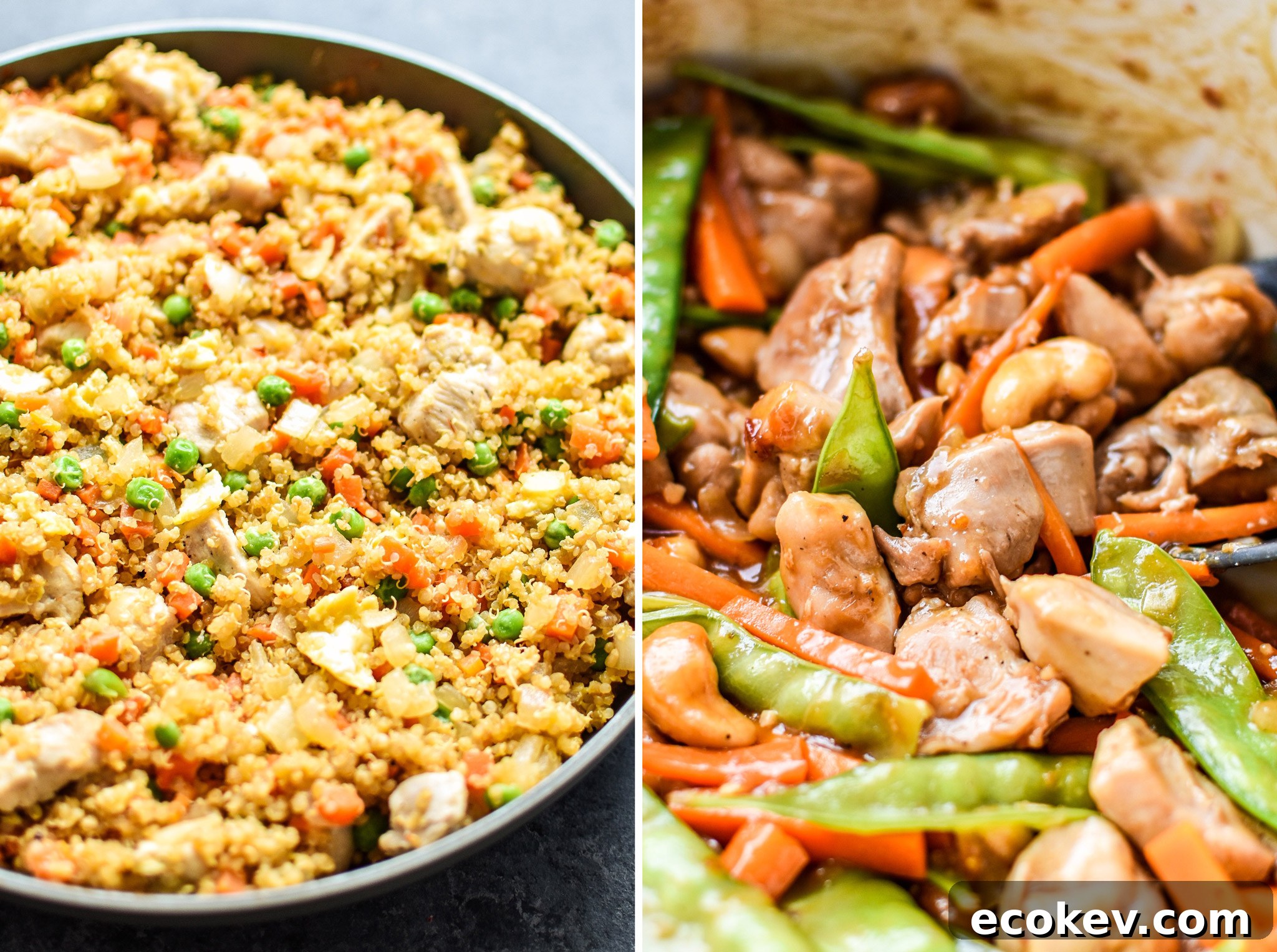
- Easy Cashew Chicken
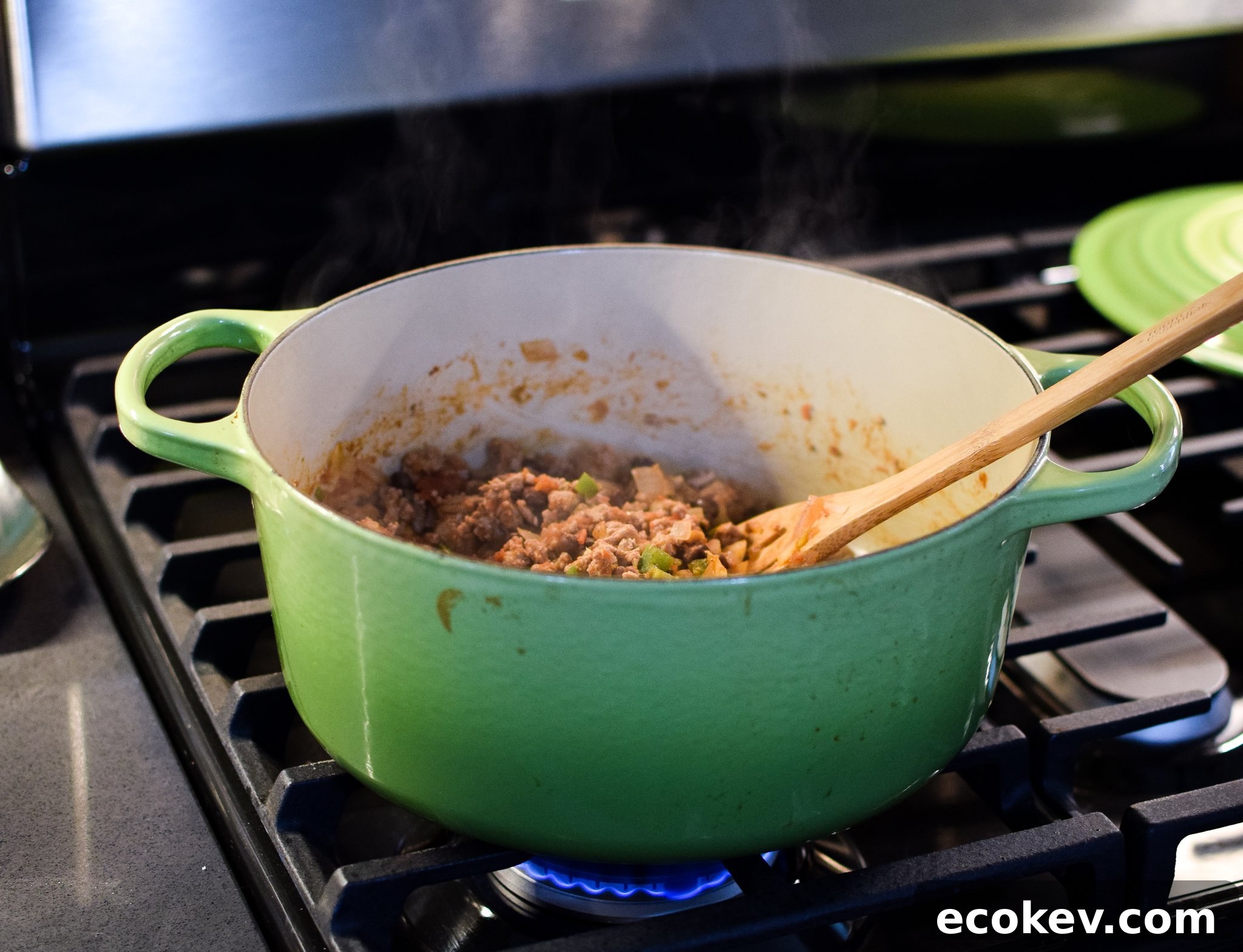
- Italian Sausage & Veggie Bowls
- Quinoa Fried “Rice” Bowls
2. Store prepped food by type, then assemble later.
Prep ingredients for the week—roast vegetables, cook a grain or two, and prepare a couple of proteins—then store them separately instead of assembling full meals ahead of time. This approach still saves time but gives you the flexibility to combine ingredients differently when you eat.
Each morning (or when you pack your lunch), mix and match from what’s already cooked. You’ll be more likely to enjoy your meal because you chose the combination that day, yet you saved hours by precooking the components.
If you hit midweek with random leftovers, plan a dinner to use them up and run a mini-prep session to restock for the following day.
3. Cook one protein and use it in different ways.
Make a large batch of one protein and use it across multiple meals with different sides, sauces, or seasonings. You can keep the protein simple and let sauces or sides change the flavor, or split the batch and season each half differently.
This method works for chicken, pork, beef, or plant-based proteins. You can use the same protein for dinners and lunches by portioning it accordingly.
Examples of how one roast or batch can become different dishes:
- Whole Roast Chicken = roast chicken with veggies and mashed potatoes; chicken enchiladas; wild rice soup using the broth; homemade chicken ramen.
- Pulled Pork = stuffed zucchini boats; BBQ sandwiches; pulled pork quesadillas.
- Ground Turkey = tacos; snap pea rice bowls.
- Shredded Chicken = Asian-style salads; nachos; chicken alfredo casserole.
4. Cook one side, turn it into multiple side dishes.
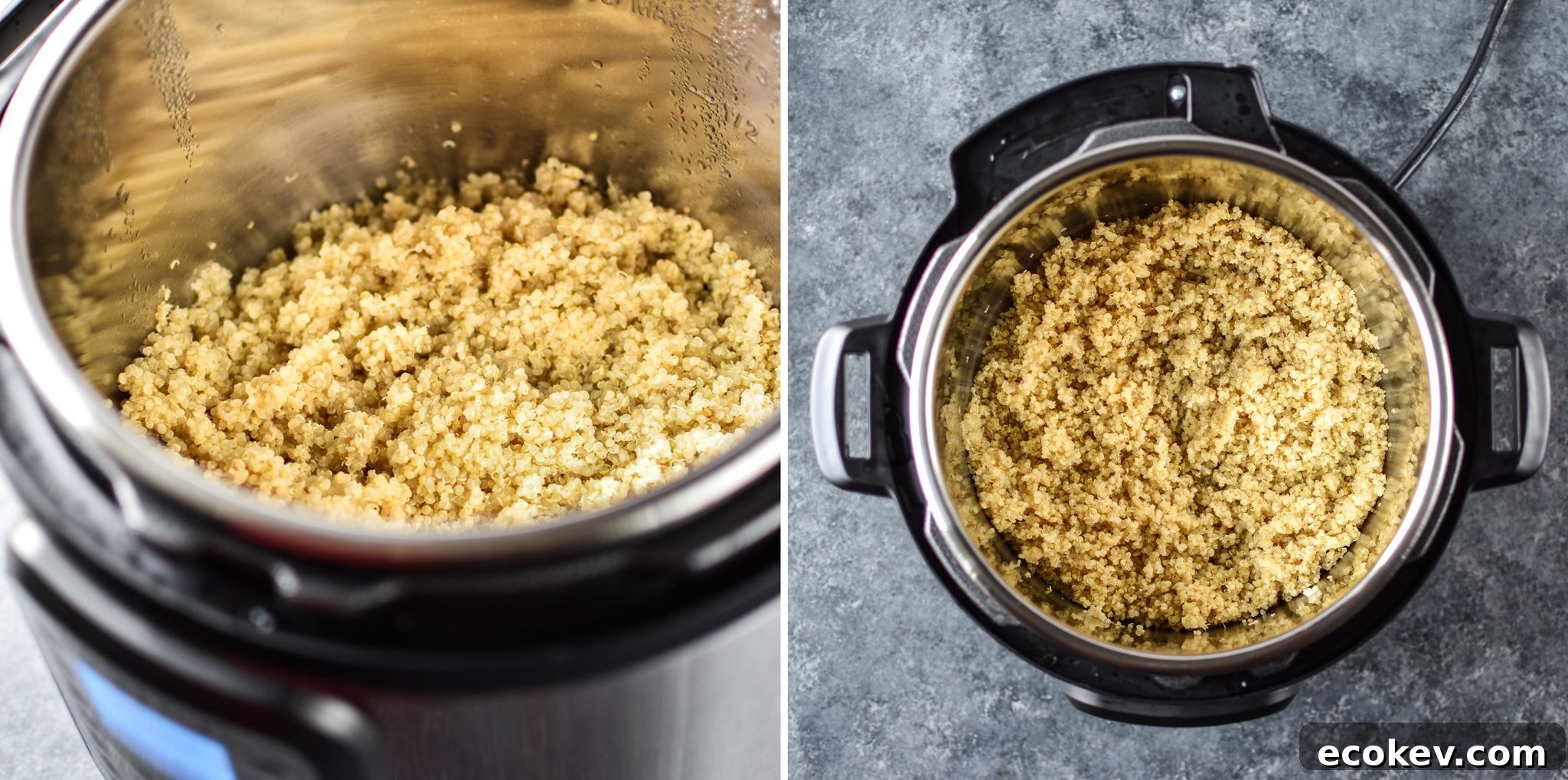
Cook grains and legumes in bulk—rice, quinoa, farro, lentils—and then flavor them differently depending on the meal. A rice cooker or Instant Pot makes this especially hands-off. Prepping two different grains or legumes per week gives you different textures and bases to mix and match with proteins and vegetables.
Flavor a grain ahead of time or leave it plain so the main dish or sauce can season it later. Plan quantities to match how many meals you want to assemble from each base.
Suggested uses:
- Quinoa: cilantro-lime quinoa, quinoa chicken salad, Asian slaw quinoa salad, teriyaki quinoa bowls.
- Rice: spicy chicken & asparagus rice bowls, teriyaki chicken & broccoli bowls, Korean BBQ rice bowls.
- Farro: kale-butternut farro salad, Greek shrimp and farro bowls, warm farro with salmon and greens.
5. Try some vegetarian options.
Replacing meat occasionally with hearty vegetables, legumes, or protein-rich grains adds variety without much extra effort. Try swapping meat for extra vegetables or lentils once or twice a week and flavor them like your favorite meat dishes.
Vegetarian bowls, roasted vegetable salads, and legume-based dishes can feel complete and different from your usual meals. Experimenting with new flavors is an easy way to keep meal prep interesting.
Vegetarian meal prep ideas to try:
- Roasted Vegetable Quinoa Harvest Bowls
- Cajun Roasted Vegetable Bowl with Garlic Sauce
- Roasted Vegetable Bowls with Pesto
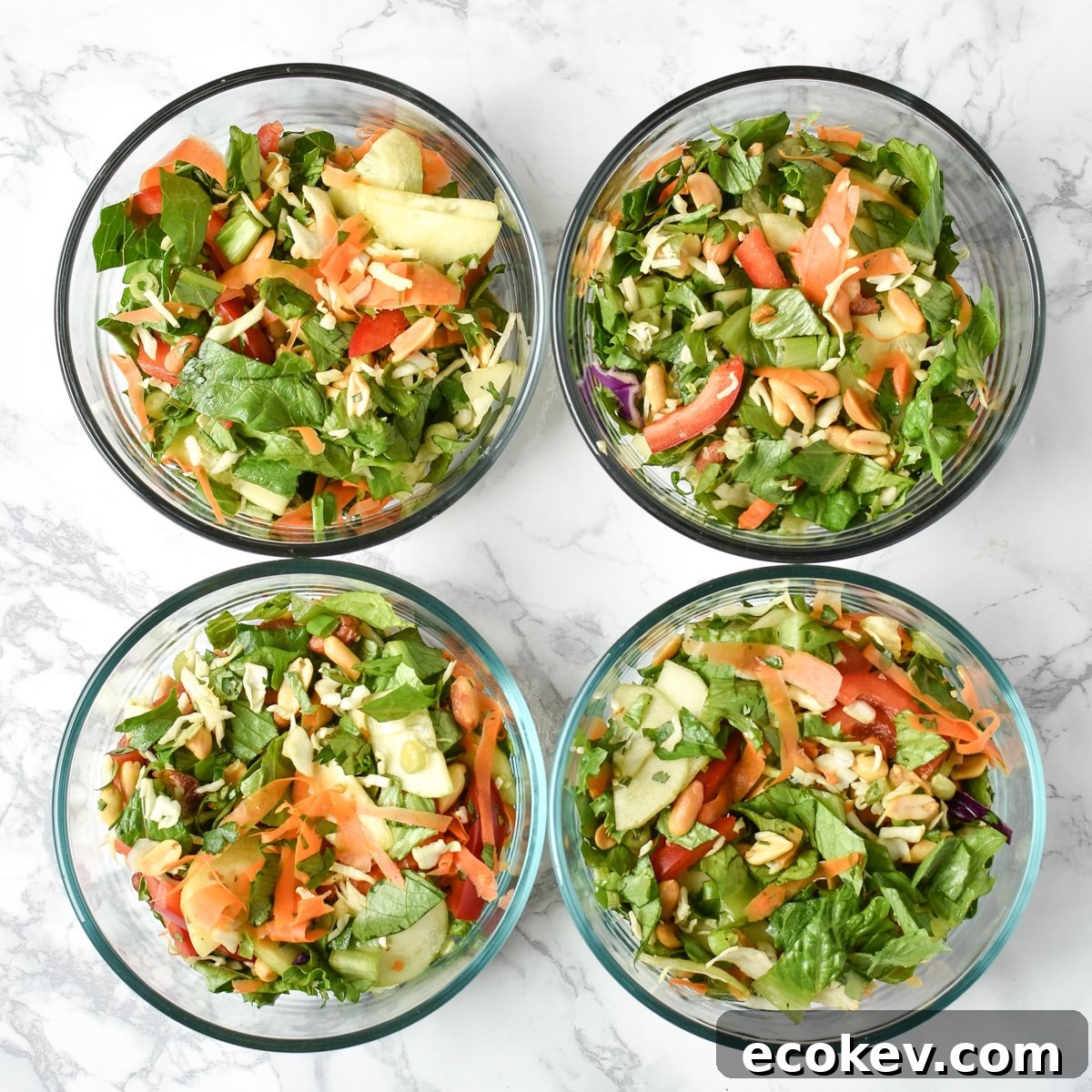
- Chopped Thai Salad with Peanut Dressing
6. Cook different meals at the same time.
Use a sheet pan to roast several items together, then portion and flavor them differently. You can create two distinct meals from one oven session by changing portion sizes, chopping vegetables differently, or staggering cook times. Consult a roasting chart for temperature and time guidance and adjust sizes as needed.
Look for recipes that already plan two variations from the same cooking session to save decision-making time.
7. Keep “sauces” and sauce ingredients on hand.
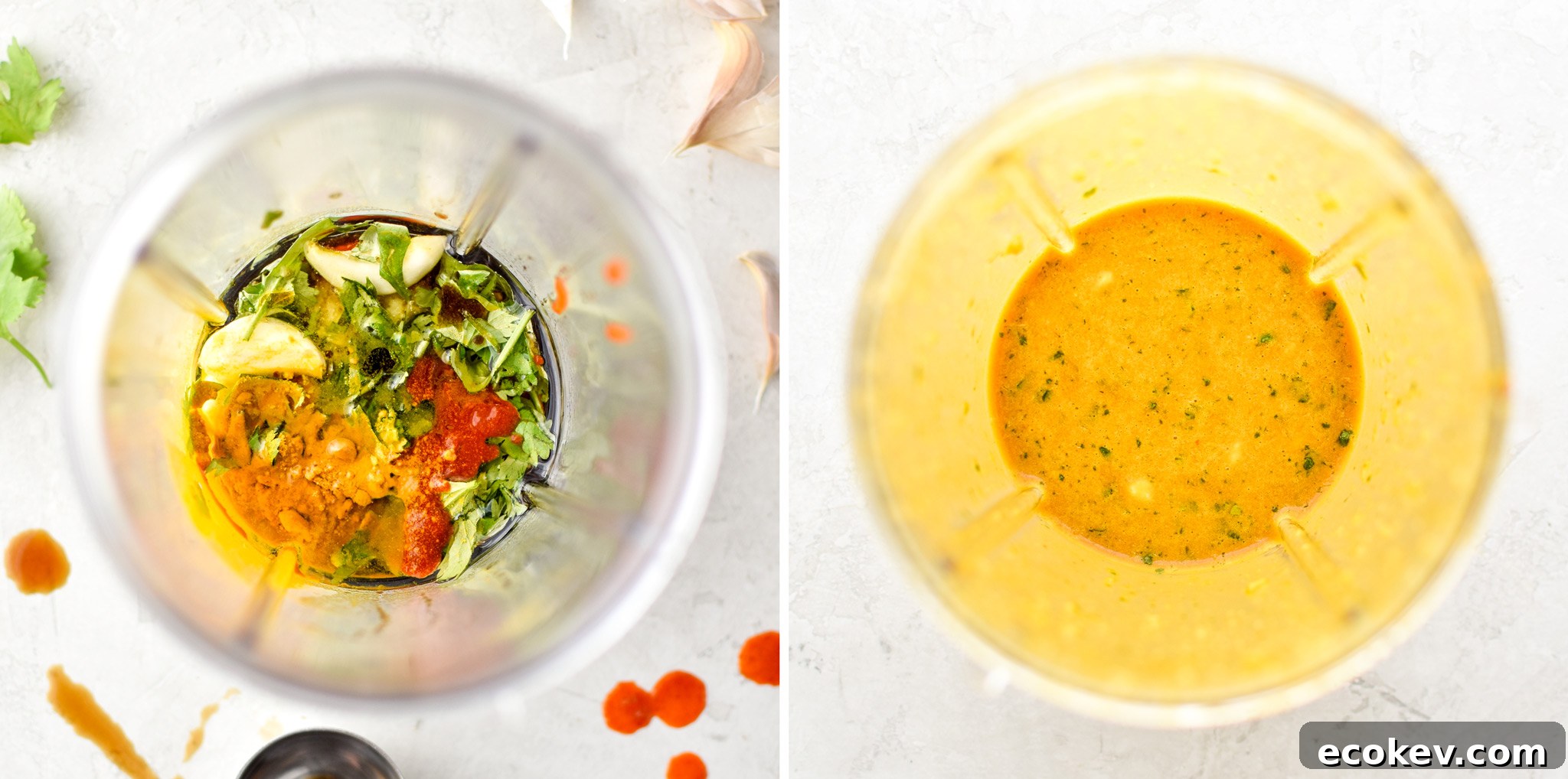
Sauces are the easiest way to transform the same base ingredients into different meals. Keep a few ready-made sauces (BBQ, hot sauce, salsa) plus supplies to make a couple homemade sauces (peanut sauce, enchilada sauce, honey-mustard, Szechuan-style sauce).
Swap a single sauce and add one or two different ingredients and you can turn plain rice and chicken into a burrito bowl, peanut lettuce wraps, or buffalo-style bowls. Homemade sauces are economical and customizable—small changes yield big variety.
8. Freeze individually portioned meals for quick variety later.
Freezer meals give you backup options without forcing you to eat every portion of a recipe at once. Either cook a full recipe with the intent to freeze all portions, or freeze leftovers in single servings after you eat. Use freezer-safe containers and label with name and date.
Freezer-friendly approaches:
- Cook a recipe specifically to freeze all portions for later.
- Cook dinner, eat what you like, then freeze remaining portions as individual meals for future use.
Ideas for freezer-friendly meals include salsa verde chicken, peanut chicken, and a variety of healthy freezer meal recipes. Freezing gives you the freedom to reintroduce variety into your week without worrying about food waste.
Those are my tips for how to meal prep and eat different meals every day. Try one or two tactics that fit your routine and build from there—mixing components, sauces, and cooking approaches is the best way to keep meals interesting while still saving time. Leave a comment below if you have questions!
