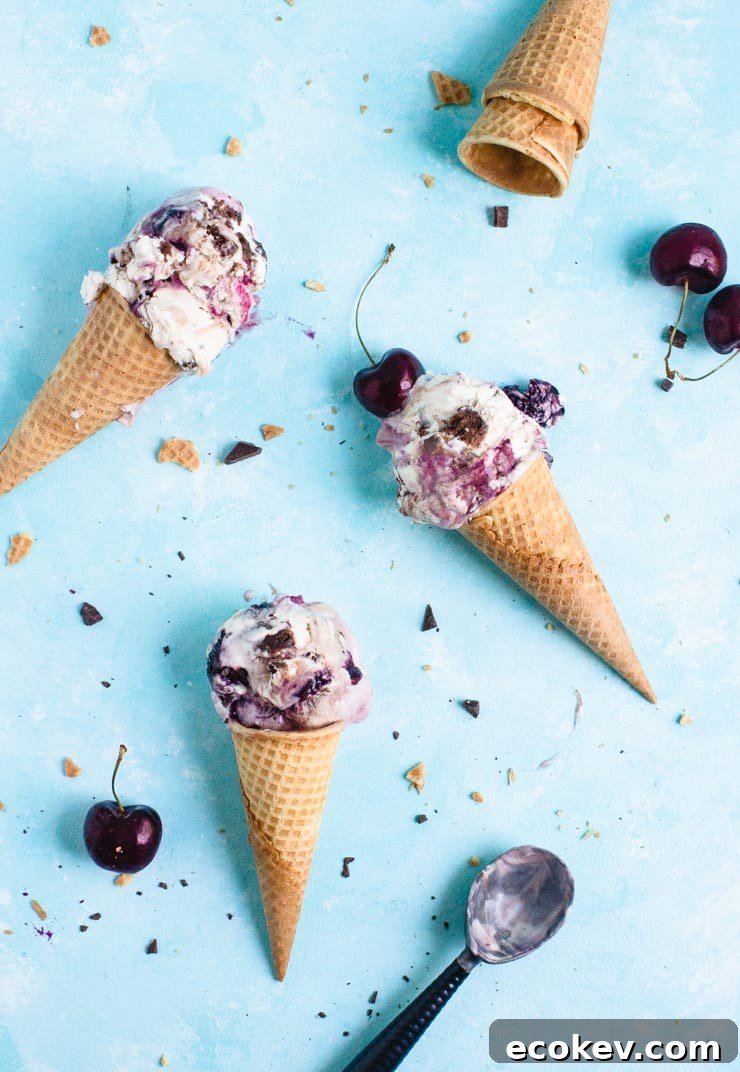
Summer is in full swing and the heat is relentless. If that Zoolander reference didn’t land, no worries — I still like you — but it’s hard to argue with the obvious: when temperatures soar, cold treats become essential.
For food photographers and bloggers, ice cream, popsicles and other frozen delights are prime subjects this time of year. The challenge is how to capture them before they melt into an unappealing puddle. Photographing ice cream on a 90°F day in an uncooled apartment can feel like wrestling a grizzly: equal parts stressful and messy. To help you keep your cool, here are six practical tips for photographing melt-prone foods successfully.
Work in a cool space
If you have access to a cool area—whether it’s a shaded room, a basement, or even a walk-in fridge—use it for prep and setup. These spaces may not offer the best natural light, but they’re invaluable for keeping props and food cold while you arrange your scene. Even positioning your set in the shade outdoors can make a noticeable difference.
Chill all dishware and flatware
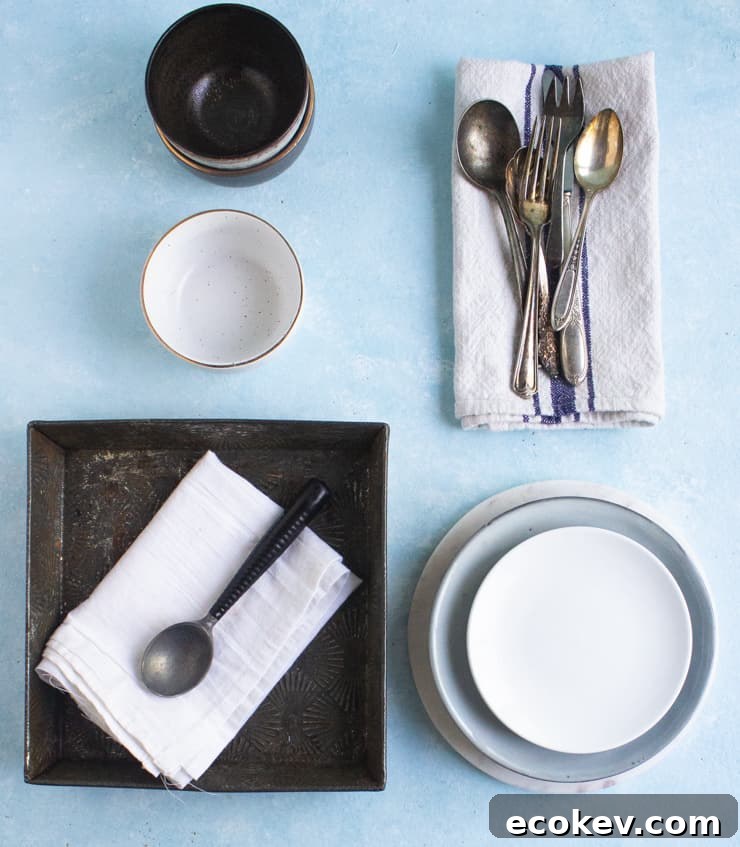
Keep everything that will touch the cold food chilled: plates, bowls, spoons, and even serving trays. The colder the props, the slower your food will melt on contact. I often freeze my props ahead of time and, when possible, assemble the styled dish in its final container and freeze it together. That simple extra step can buy you valuable minutes during the shoot.
Prep the shot beforehand
No matter how cold you keep things, melting is inevitable. Plan your shot ahead of time: arrange and photograph the composition without the cold element in place, then add the ice cream or popsicle right before you start the final capture. Pre-framing, adjusting lights, and testing camera settings ahead of time reduces the time the frozen item is exposed to warmth.
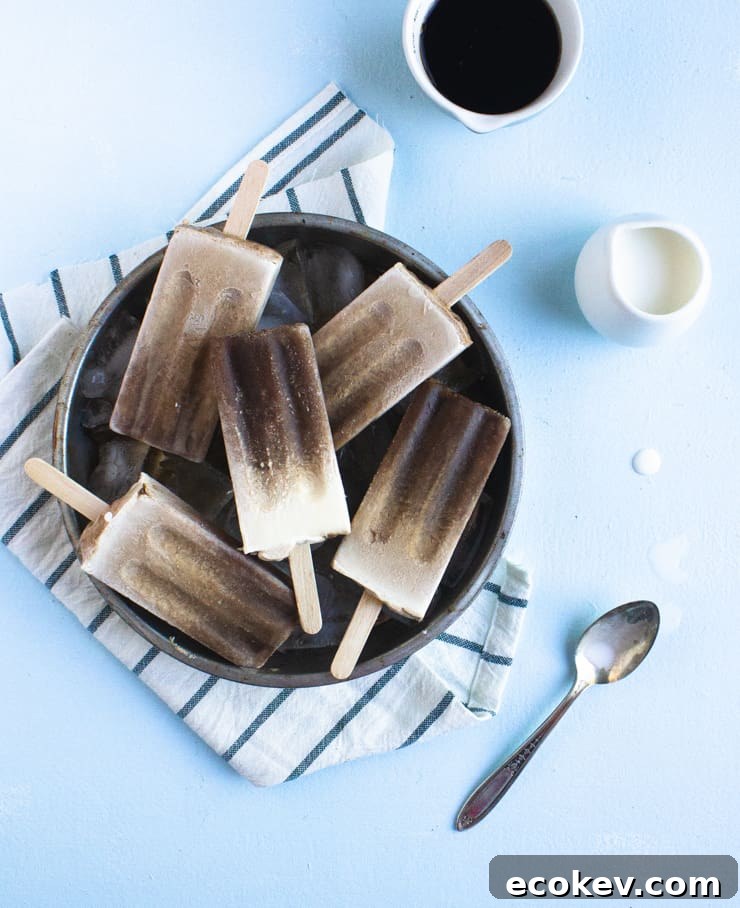
Use a cold marble slab or baking sheet between shots
Many props don’t retain cold well. Keep a chilled marble slab or a frozen baking sheet nearby to set your frozen items on between frames. If you can’t continually refreeze a sheet, place ice packs underneath it to maintain a low surface temperature. This simple platform can extend working time and reduce drip.
Scoop and refreeze
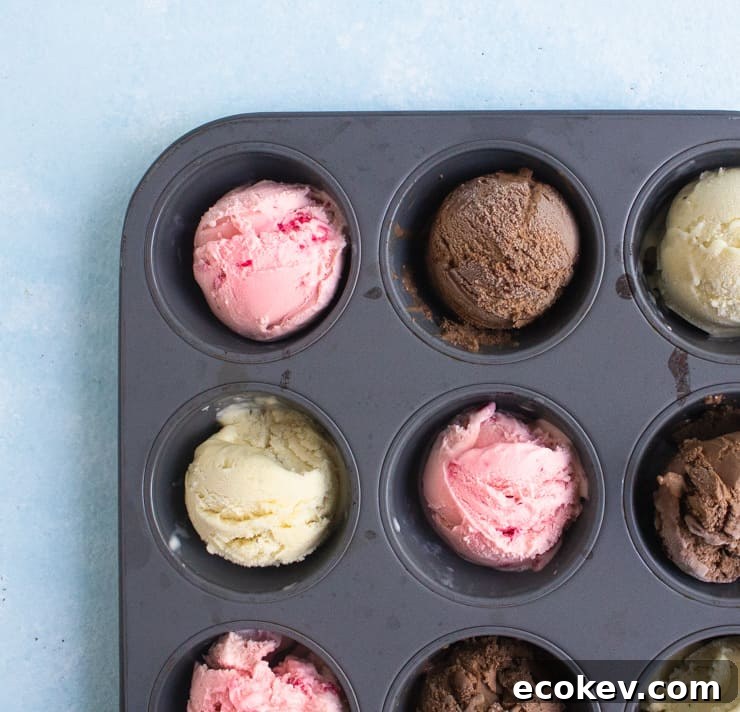
Pre-scooping ice cream is one of the best tricks for speed and consistency. Let the ice cream soften just enough to scoop, portion it into a cupcake tin or tray, and refreeze the servings. That way each scoop is perfectly formed and fully chilled all the way through when you place it in your final composition.
Work with the drip
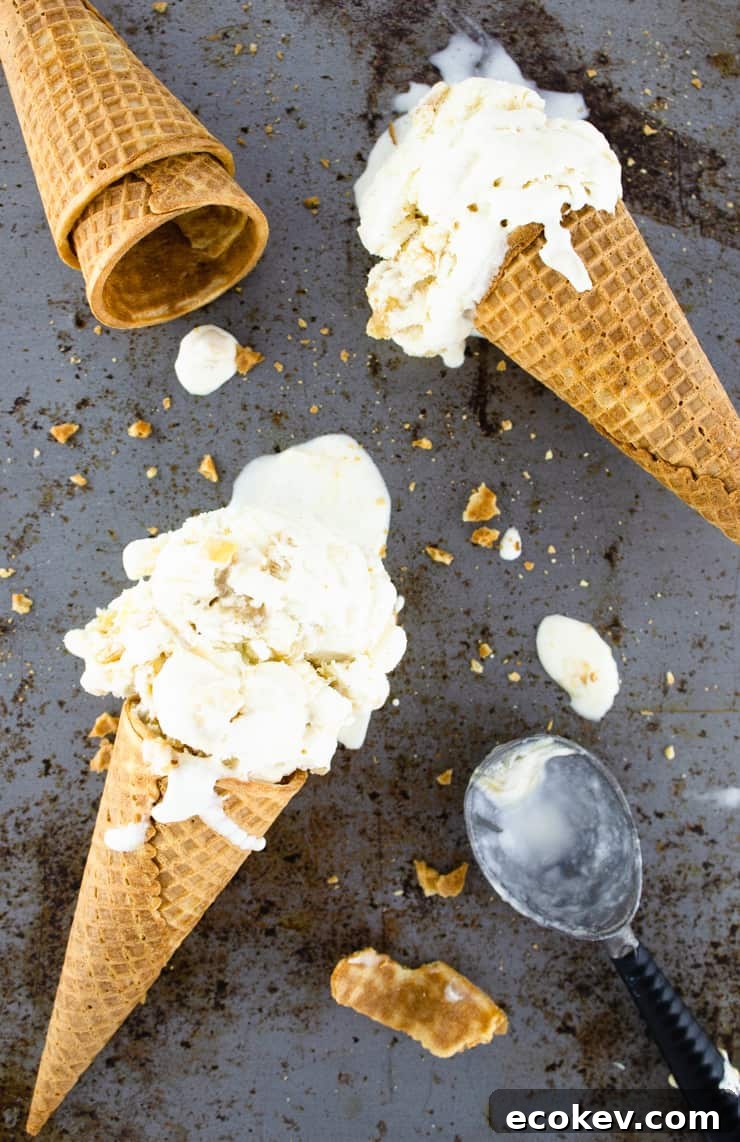
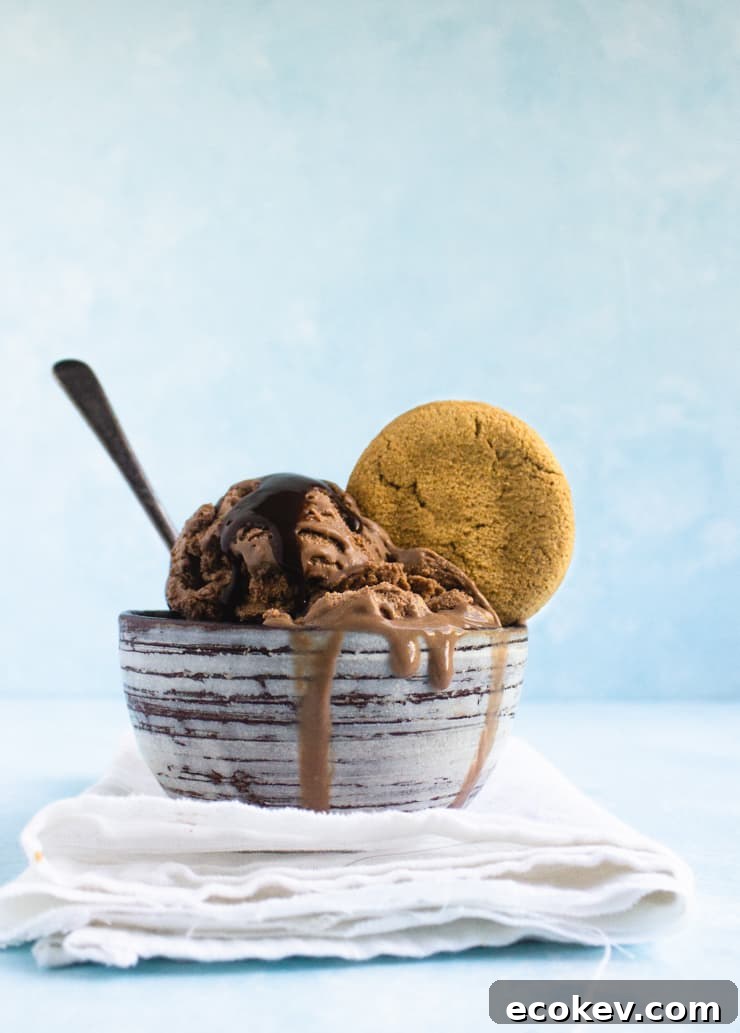
Sometimes melting happens anyway. When it does, embrace it. Controlled drips and melting can add mood, texture and narrative to a shot. Use those drips intentionally: let a spoon catch a slow melt, arrange a napkin to catch a gentle stream, or capture close-ups that highlight the glossy, melting surface. A little imperfection can make an image feel more real and desirable.
With a bit of planning and the right tricks—cool spaces, chilled props, pre-scooping and using cold surfaces—you can dramatically increase your working time and improve results. And when all else fails, let the melt tell part of the story; sometimes the most compelling images come from unexpected moments. Happy shooting, and may your ice cream stay photogenic.