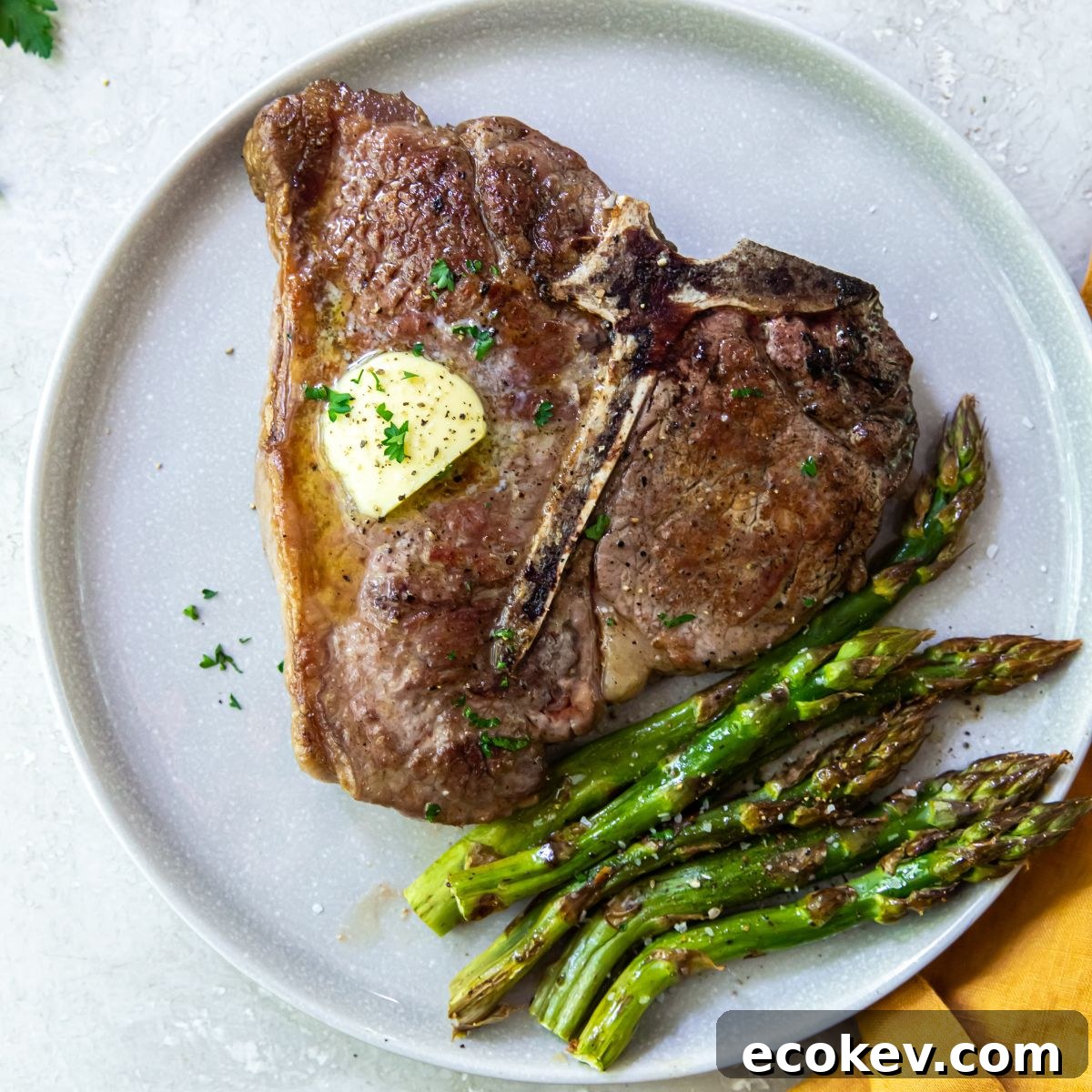
Steak lovers know that achieving the perfect steak can be difficult. Traditional methods like open-flame grilling often make temperature control challenging, leading to uneven doneness. The reverse sear method has become popular because it addresses those issues. This straightforward technique cooks the steak slowly at a low temperature, then finishes it with a quick, high-heat sear to create a juicy, tender, and evenly cooked result.
Below is a clear, practical guide to reverse searing a steak like a pro, explaining why this method consistently elevates your steak outcomes.
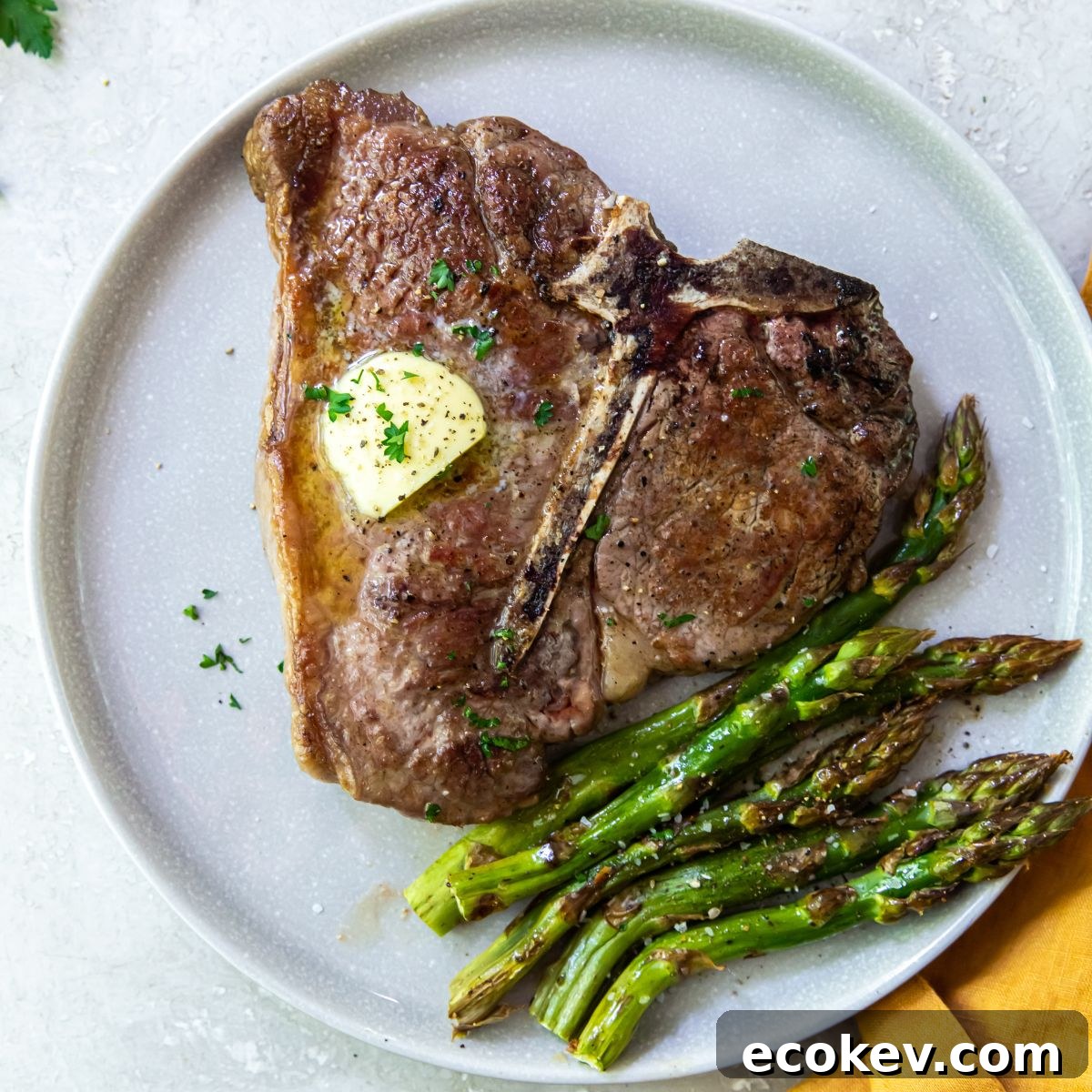
Selecting the right steak for a reverse sear
Reverse searing works with many cuts, from premium filet mignon to more economical options like top sirloin. For the best results, choose thicker, well-marbled steaks. Marbling helps keep the meat juicy during the low-and-slow phase and produces better flavor when seared.
A minimum thickness of 1 1/2 to 2 inches is ideal. Cuts that perform particularly well with reverse searing include:
- Ribeye
- Filet mignon
- New York strip
- Tri-tip
- T-bone or Porterhouse
Reverse searing also adapts well to larger roasts such as tenderloin, prime rib, and eye of round. Thinner steaks can be used, but they’re more likely to overcook and deliver less benefit from the technique; those are better suited for quick grilling or stir-fry preparations.
Preparing the steak
Generously season the steak with salt, pepper, and any preferred herbs or spices. Place the steak on a wire rack set over a rimmed baking sheet and let it rest uncovered in the refrigerator for at least 30 minutes or up to overnight. Drying the surface in the fridge helps produce a better crust during the final sear.
“I love to reverse sear any thick cut of steak. I find that it ensures my meat is more evenly cooked and turns out juicier than any other method I try with the perfect crispy crust on the outside every time. Try placing your uncooked steak on a wire rack in your fridge the night before to magnify the impact, too.”
— Michelle Price, Honest and Truly
The reverse sear process
Unlike traditional grilling where the sear comes first, reverse searing flips the order: slow cook first, then sear. The method has two distinct stages:
- Slow cooking
- Finishing with a sear
Slow cooking the steak
Slow cooking can be done in the oven (most common), in a smoker, or on a grill using indirect heat. For oven cooking, preheat to 225–275°F. Place the seasoned steak on the wire rack and bake on the middle rack until the internal temperature is about 10–15°F below your target doneness.
For example, pull the steak at 115–120°F if your final goal is 130°F for medium-rare. The same temperature targets apply when using a grill: set up for indirect heat by turning off burners on one side of a gas grill or moving coals to one side on a charcoal grill and place the steak on the cooler side.
Pro tip: Use an instant-read meat thermometer. Because the meat cooks slowly at low heat, the process takes longer than direct grilling. For 1 1/2-inch steaks, start checking temperature around 25 minutes.
Searing off the steak
After the slow cook, the steak will look pale and unappealing—but that’s expected. The quick sear is what transforms it. You can finish the steak in a hot cast iron skillet or over direct heat on the grill.
For stovetop searing, heat a cast iron skillet over high heat until very hot, add a small amount of butter or a high smoke-point oil, then carefully place the steak in the pan. Sear about one minute per side until deep golden brown, and use tongs to brown the edges as well.
“Reverse searing ribeyes on my cast iron skillet is always a foolproof way to achieve steakhouse-quality results at home. Taking the time to gently cook the meat before giving it a quick sear results in a tender and juicy steak with a perfectly caramelized crust.”
— Sara Nelson, Real Balanced
To sear on the grill, remove the steak after the slow cook, turn burners to high or bank the coals to build a very hot zone, and return the steak to the hot side. Flip frequently until a crisp crust forms on all sides—typically one to two minutes total.
Serving the steak
A reverse-seared steak can be served immediately and does not require an extended resting period. For the most tender slices, cut against the grain. This is especially useful for cuts with complex grain patterns like tri-tip. Slicing against the grain shortens the muscle fibers and makes each bite easier to chew.
Pros and cons of the reverse searing method
Reverse searing offers many advantages but also has trade-offs to consider.
- Takes longer than traditional grilling methods
- Not ideal for very thin cuts
- Produces less pan fond for making a quick pan sauce
That reduced fond can be a downside if you like pan sauces, since the rapid final sear doesn’t create much residue in the pan. On the other hand, the steak itself retains more of the browned flavor and juices, often eliminating the need for sauce.
Key benefits include:
- Consistently even doneness from edge to center
- Superior browning and crust on the outside
- More tender, juicier meat
Health benefits of a reverse seared steak
Reverse searing can offer some nutritional advantages compared with higher-heat, rapid-cook methods. The long, low-temperature phase preserves natural flavors and can reduce the formation of heavily charred surfaces that may produce undesirable compounds. The gentle cooking helps retain juices and can render excess fat without producing a heavy char, resulting in a leaner, juicier final cut.
Many people appreciate the balance of flavor and nutrition: the steak delivers rich taste with less charring, which some prefer for both health and texture. While reverse searing requires more time, the outcome is a flavorful, tender steak that highlights the meat’s natural qualities.
By choosing the reverse sear, you’ll get a reliably delicious steak that’s both satisfying and mindful of texture and flavor preservation.