Are you planning to make prime rib for your next family gathering but unsure how much to buy?
We can help.
In this article you’ll learn:
- How much prime rib to plan per person
- Whether to choose bone-in or boneless
- Practical tips for selecting and preparing prime rib
Jump to Section
How Much Prime Rib Per Person?
The amount of prime rib to buy depends on how you’ll serve it. If prime rib is the main entree, plan larger portions; if it’s an appetizer or part of a buffet, portions can be smaller.
Rule of thumb: about 0.5 pound (8 ounces) per person when served as an appetizer, and about 1 pound per person when it’s the main course. Appetite sizes vary, so use this as a guideline rather than a strict rule.
It’s better to err on the side of having too much rather than too little. Consider your guests’ typical appetites—teenagers and big eaters may require more—so adjust your total accordingly.
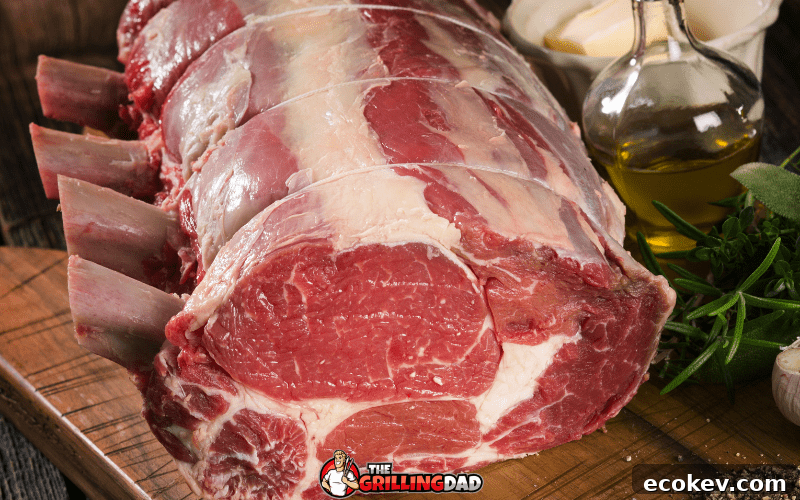
What If You are Preparing a Boneless Prime Rib?
Boneless prime rib gives you more edible meat per pound because the bones are removed. A 10-pound boneless roast typically serves 8–10 guests comfortably when used as the main dish.
Keep in mind that labeled weight reflects the boneless roast itself, so a boneless cut may weigh slightly less than a bone-in roast of the same size. Confirm with your butcher that the roast is truly boneless and trimmed to your preference before buying.
Boneless roasts are also easier to carve and portion precisely, making them a practical choice for buffet-style service or plated portions.
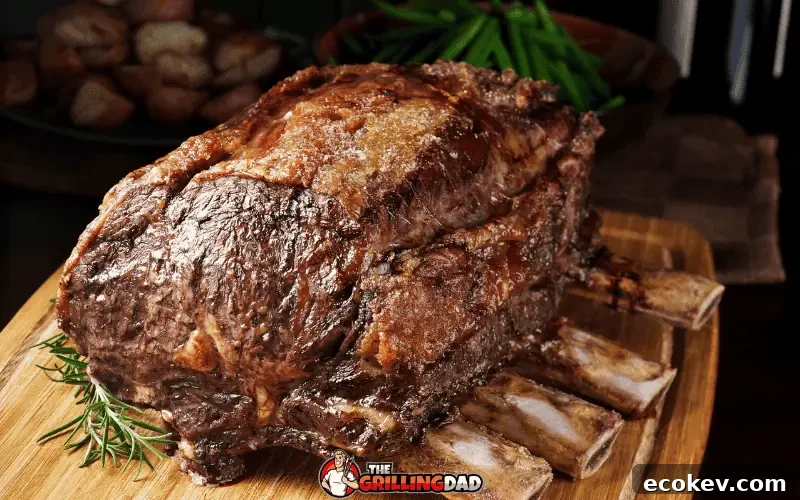
What If You are Preparing a Bone-In Prime Rib?
Bone-in prime rib is a popular choice for its classic presentation and added flavor from the bones. When served bone-in, plan for about 0.5–1 pound per person, depending on appetite and whether sides are plentiful.
A single rib often feeds two people; for lighter eaters it can stretch to three. If you want everyone to have a bone or to ensure larger portions, buy a larger rack—or ask your butcher to prepare a full roast.
Some butchers will remove the ribs and then tie them back to the roast, creating a tidy presentation that’s easier to carve while still delivering that bone-in flavor.
How Much Prime Rib Should You Buy?
Start by counting guests and estimating appetites. Use the serving guidelines above and consider how many side dishes you’ll offer—robust sides mean you can reduce the meat per person slightly.
A safe guideline for mixed company is about 1 pound per adult when prime rib is the main course. For gatherings larger than about 8–10 people, a full prime rib roast (often seven bones) will comfortably serve 12 or more and simplifies planning.
Leftovers are easy to reuse—sliced cold for sandwiches, chopped into salads, or reheated gently—so buying a little extra can be worthwhile.
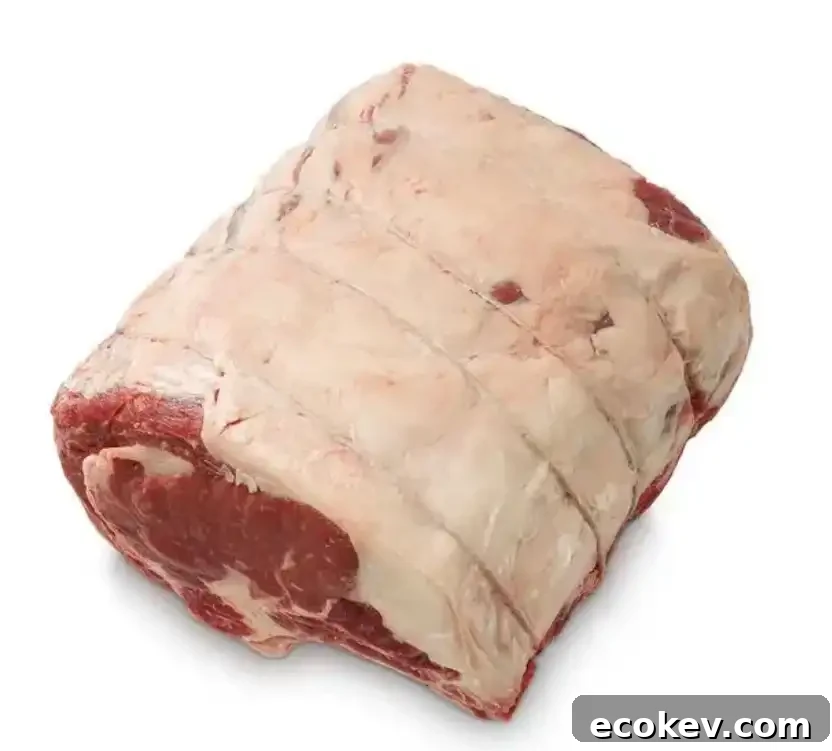
How to Choose the Best Prime Rib?
Prime rib is an investment, so choose carefully. If possible, speak with a butcher— they can point out true prime or choice cuts, advise on bone-in vs. boneless, and help you pick a roast size that matches your guest list.
Look for good marbling: streaks of fat through the meat create tenderness and flavor when cooked. Decide whether you prefer the richer flavor of bone-in or the ease of carving that boneless provides, and select accordingly.
Tips on Preparing Your Prime Rib
Whether it’s your first time or you’re a seasoned cook, a few simple steps ensure a better roast and smoother service.
Season Your Prime Rib
Season generously with salt and other spices. Because prime rib is thick, season well and allow time for the flavors to penetrate; many cooks salt the roast several hours or the night before.
Tie Your Prime Rib
Tying the roast with butcher’s string helps it keep a uniform shape for even cooking. For boneless roasts, tie every 2 inches along the length. For bone-in roasts, tie between the bones to hold everything together.
Try a French Cut
For an elegant presentation, ask your butcher for a French cut—cleaning the bones so they’re exposed—making the roast easier to handle and impressive on the plate. If you prefer, your butcher can prepare this for you before purchase.
With thoughtful planning—choosing the right size, deciding bone-in or boneless, and following basic preparation tips—you’ll be set to serve a delicious prime rib that satisfies your guests. Enjoy the meal and the leftovers.